


labor protection equipment
Safe operation in industrial environments depends on more than a single item of PPE. In workshops, production lines, construction sites, utilities, and maintenance work, different hazards often exist at the same time: airborne particles, impact risk, noise, slips, cuts, and temporary exposure to chemicals or difficult weather conditions. Choosing the right protective gear helps reduce risk while keeping daily tasks practical and efficient.
Labor protection equipment in this category covers a broad range of products used to support worker safety across many industries. Instead of treating PPE as a generic purchase, most buyers need to match the equipment to the task, work environment, expected wear time, and compatibility with other gear already used on site.
Why selecting the right PPE category matters
In B2B procurement, labor protection equipment is usually part of a wider safety and maintenance strategy. A respirator that fits poorly, eyewear that fogs too quickly, or hearing protection that interferes with a helmet can reduce real-world compliance even if the product meets the required standard on paper.
That is why buyers often evaluate PPE by looking at the full use case: hazard type, duration of use, comfort, replacement cycle, and whether the item works together with helmets, face shields, gloves, or other accessories. For teams that also manage site maintenance or assembly tasks, related items in kits and tools may also be part of the same operational workflow.
Common product groups in labor protection equipment
This category typically supports several layers of workplace protection rather than one isolated function. Respiratory products are used where dust, mist, particulates, or specific airborne contaminants are a concern. Eye and face protection help limit injury from impact, debris, or splashes. Hearing protection is important in machinery areas or processing zones with elevated noise exposure.
Hand and foot protection are equally important for industrial handling, assembly, logistics, and field work. Gloves may be selected for grip, abrasion resistance, or compatibility with oily environments, while safety footwear helps manage slip, impact, and puncture risks. In some applications, the requirement extends further to belts, emergency equipment, and insulated protective items for electrical work.
Examples of products used in real applications
Several products in this category illustrate how PPE is chosen for specific hazards. For particulate protection, the 3M 2097 Cartridge is intended for use in respiratory applications where filter performance and breathing comfort matter. For reusable respiratory setups, products such as the 3M HF-51 Half face Mask for Respiratory Protection, 3M HF52 Half face mask for respiratory protection, and 3M 6501QL Mask with Quick Settings are relevant when users need a more durable facepiece for repeated use.
Disposable or lightweight options also have their place. The 3M 9541 RESPIRATORY PROTECTION DUST FILTER MASK, 3M 9542 RESPIRATORY PROTECTION DUST FILTER MASK, and 3M 9105 RESPIRATORY MASK are suited to dust-oriented tasks where portability and ease of use are priorities. For eye protection, the 3M SF401SGAF Goggles show the importance of anti-fog performance and wearer comfort, especially in active environments. For hearing protection, the 3M H9P3E Capturing noise-cancelling headphones represent solutions used where consistent noise reduction is needed around helmets or general head protection.
Hand and foot protection are represented by products like the DELTAPLUS EOS VV900 Safety Work Gloves and DELTAPLUS JET3 S3 WORKING SHOES. These are practical examples of PPE selected for grip, mechanical protection, anti-slip performance, and day-long site use. Supporting items such as the Proskit ST-5504 Tool Belt with Safety Lock may also be relevant in work-at-height or tool-carrying situations where organization and safe handling are part of the job.
How to choose labor protection equipment for your facility
The most effective starting point is the hazard assessment. Buyers should identify whether the main risk comes from particles, impact, sharp edges, noise, slipping, electrical exposure, or a combination of these factors. Once the hazard is clear, the next step is choosing equipment designed for that type of exposure and suitable for the expected working conditions.
Fit and comfort are just as important as the protection level. A respirator used for long shifts should allow manageable breathing resistance and stable sealing. Safety glasses should remain clear in warm or humid settings. Gloves need enough dexterity for the task, and footwear should match floor conditions and walking intensity. In some technical environments, PPE selection may also sit alongside broader reliability planning that includes circuit protection or system hardware in adjacent procurement categories.
Key brands and procurement considerations
This category includes products from widely recognized industrial suppliers such as 3M and DELTAPLUS, both of which are represented here through practical PPE examples. 3M is especially visible in respiratory, eye, and hearing protection solutions, while DELTAPLUS appears in hand and foot protection for industrial use. Proskit is also relevant for selected support items used in the work environment.
For professional buyers, brand selection is usually only one part of the decision. Stock continuity, replacement frequency, worker acceptance, and compatibility with existing PPE programs often matter more than choosing the largest product range. It is also helpful to standardize key items by department so replenishment is simpler and training remains consistent across teams.
Using PPE as part of a wider industrial safety ecosystem
Labor protection equipment works best when integrated into site procedures rather than purchased as a one-time checklist. Respiratory protection should align with exposure control plans. Gloves and footwear should reflect the actual handling conditions on the floor. Eye and hearing protection should be considered alongside machine operation, maintenance routines, and worker movement between zones.
In technical facilities, procurement teams often coordinate PPE purchases with other operational categories, from maintenance supplies to installation materials and connectors used in equipment and infrastructure projects. Looking at these categories together can help organizations reduce downtime, simplify purchasing, and keep safety equipment available where it is needed most.
Practical points to compare before ordering
When comparing products in this category, it is useful to focus on a few decision points:
- Protection type: particulate, impact, noise, grip, slip resistance, puncture resistance, or multi-hazard use.
- Wear duration: short task-based use or full-shift comfort.
- Compatibility: whether the item works well with helmets, eyewear, shields, or other PPE.
- Environment: indoor production, outdoor work, dusty operations, oily surfaces, or general maintenance.
- Replacement cycle: disposable versus reusable options and expected replenishment needs.
These factors help narrow the selection quickly and make category browsing more efficient for maintenance managers, purchasing teams, contractors, and safety personnel.
Find the right mix for your application
Choosing labor protection equipment is ultimately about matching the product to the real task, not just the product label. A well-selected PPE setup improves day-to-day usability, supports compliance, and helps reduce avoidable incidents in demanding work environments.
Whether the priority is respiratory protection, hand safety, footwear, eye protection, or supporting site gear, this category brings together practical options for industrial and commercial use. Reviewing the specific job conditions, expected exposure, and compatibility requirements will help you identify the most suitable equipment for your team.
Types of labor protection equipment (812)
- Ear protection (36)
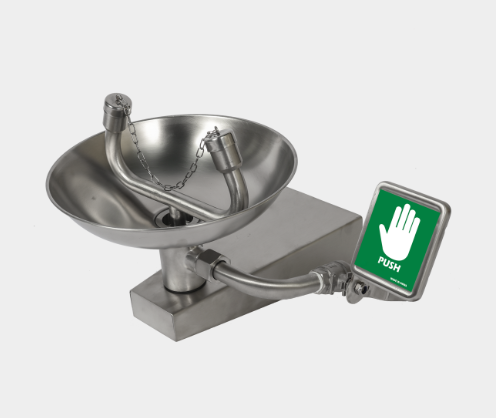
- Emergency eyewash device (30)
- Face mask (18)
- Fiberglass Cable Duct Rodder (31)
- First Aids (35)
- Glasses, face protection, eye protection (56)
- Helmet (20)
- Hot stick (129)
- Insulating carpet (30)
- Insulating Gloves, Insulating Boots (116)
- Labor protection gloves (53)
- Other protective equipment (1)
- Protect suit (85)
- Safety Belt (79)
- Safety Boot (2)
- Safety mask (56)
- safety shoes (10)
- Sandals
- Temporary Short Circuit Earthing Sets (19)
- Welding mask (5)
- Wire Fence (1)
-
-
-
-
-
-
-
-
-
-
-
-
-
-
-
-
-
-
-
-
-
-
-
-