


Ear protection
High noise exposure is a routine risk in factories, construction sites, utilities, maintenance areas, and many other industrial workplaces. Choosing the right ear protection helps reduce long-term hearing damage while improving comfort for workers who need to wear protective equipment throughout a shift.
This category brings together practical hearing protection options for different working conditions, from disposable earplugs for general use to reusable earplugs and earmuffs for repeated daily wear. Selection usually depends on the surrounding noise level, hygiene requirements, compatibility with helmets, and how long the protection must be worn.
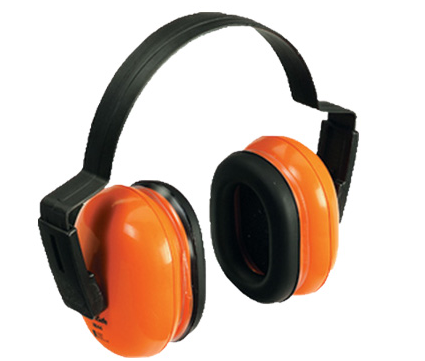
Hearing protection for industrial and site safety
In many workplaces, noise does not come from a single source. Compressors, generators, cutting tools, ventilation systems, motors, and impact equipment can all contribute to cumulative exposure. That is why hearing protection should be matched to the task, the environment, and the wider PPE setup rather than selected only by habit.
For teams building a broader safety program, hearing protection is often used alongside other categories such as insulating gloves and insulating boots for electrical work or first aid supplies for general site readiness. A consistent PPE strategy helps improve both compliance and day-to-day usability.
Main types of ear protection in this category
The most common options are earplugs and earmuffs. Earplugs are often preferred when workers need lightweight protection, easy storage, or compatibility with other head-worn equipment. Disposable foam designs can be suitable for shared or high-turnover environments, while reusable versions may fit maintenance crews or technicians who need a more durable daily solution.
Earmuffs are a practical choice when fast on-off use is important or when users prefer a non-insert solution. They can also be useful in applications where workers move in and out of noisy zones and need hearing protection that is quick to position correctly. Some models are designed for standard headband use, while others are intended for helmet mounting.
Examples from 3M and PROGUARD
Within this range, 3M offers familiar hearing protection formats including disposable and reusable earplugs as well as earmuffs. Products such as the 3M 1100 Earplugs, 3M 1110 Earplugs, and 3M 1290 Reusable Earplugs show the difference between single-use foam styles and reusable designs intended for repeated wear. For users who need over-the-ear protection, models such as the 3M H9A and 3M H9P3E provide earmuff options, including versions suited to helmet use.
PROGUARD is also represented with disposable and reusable earplugs plus several earmuff configurations. Examples include the PROGUARD FEP-03C disposable foam earplugs, Proguard EP-1363 reusable earplugs, and earmuff models such as the PROGUARD PC-03EM INFINITY Earmuff, Proguard PC09SE SUPERSONIC II EARMUFF, and Proguard PC06SE helmet slotted earmuff. These examples illustrate how hearing protection can be selected according to wearing style, mounting method, and expected noise attenuation range.
How to choose the right product
A practical starting point is the expected noise level and exposure duration. Products in this category include solutions with different stated noise reduction values, so the right choice depends on whether the user is dealing with moderate machine noise, intermittent impact noise, or a consistently loud process area. In industrial purchasing, it is usually better to compare the work environment first, then shortlist suitable formats.
Comfort is equally important because protection only works when it is worn correctly and consistently. Softer earplug materials, lightweight earmuffs, and adjustable or helmet-compatible designs can make a noticeable difference during long shifts. Where multiple PPE items must be worn together, buyers should confirm that hearing protection does not interfere with helmets, face protection, or communication needs.
Helmet-mounted and reusable solutions for frequent use
Some workplaces require hearing protection that integrates directly with head protection. Helmet-mounted earmuffs can be especially useful in utilities, construction, and plant maintenance where workers already wear safety helmets as standard. Products such as the 3M H9P3E and Proguard PC06SE are relevant examples of this type of setup, helping simplify PPE use without adding unnecessary complexity.
Reusable earplugs are often chosen when workers need compact protection that can be carried easily between tasks. Compared with disposable alternatives, they may support repeated daily use when cleaning and handling practices are appropriate. This can be a practical option for service engineers, workshop personnel, or mobile technicians moving across different noise zones.
Disposable earplugs for hygiene and high-volume use
Disposable foam earplugs remain a common solution in manufacturing and general industry because they are simple to issue, easy to replace, and well suited to large teams. Models such as the 3M 1100, 3M 1110, and PROGUARD FEP-03C reflect this use case, especially where a fresh pair is preferred for each shift or for visitor access.
For purchasing teams, this type of product can be attractive when hygiene control and straightforward stock management matter as much as attenuation performance. Bulk-use environments should still pay attention to user training, because fit has a major effect on real-world performance. Even products with strong rated reduction depend on correct insertion and consistent wear.
Choosing ear protection as part of a wider PPE system
In practice, hearing protection should not be evaluated in isolation. It is part of a wider PPE system that may include head, hand, foot, and electrical safety equipment depending on the site. For example, high-risk electrical or utility tasks may also require items such as insulating carpet or a hot stick as part of the broader safety workflow.
When standardizing purchases across teams or facilities, it helps to review fit, replacement frequency, training requirements, and compatibility with existing PPE. This approach makes it easier to reduce mismatch between products and actual site conditions, especially where different departments face different noise exposure patterns.
What to review before ordering
Before finalizing a purchase, check whether the application favors disposable or reusable products, earmuffs or earplugs, and standard headband or helmet-mounted configurations. It is also useful to review declared attenuation ratings, applicable standards listed for the product, and whether the item is intended for continuous wear or frequent intermittent use.
This category is designed to support practical industrial sourcing rather than one-size-fits-all selection. By comparing wearing style, noise reduction range, and PPE compatibility, buyers can narrow down hearing protection that fits real operating conditions and supports safer daily work.
Whether you are equipping a production line, maintenance team, or contractor workforce, the right hearing protection starts with the job environment and the way people actually wear PPE on site. A well-chosen combination of earplugs or earmuffs can improve compliance, comfort, and protection across routine industrial tasks.
-
-
-
-
-
-
-
-
-
-
-
-
-
-
-
-
-
-
-
-
-
-
-
-