


Helmet
Head protection is one of the first decisions that affects day-to-day safety on a worksite, in a plant, or during utility and maintenance operations. The right Helmet category supports more than basic impact protection; it also helps teams match headgear to ventilation needs, electrical environments, face protection requirements, and wearing comfort over long shifts.
On this page, buyers can compare industrial safety helmets, bump caps, and compatible accessories for different working conditions. The range includes standard hard hats, integrated face-shield solutions, and replacement parts such as chin straps and visor carriers, making it easier to build a complete head protection setup from a single category.
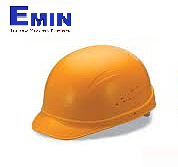
Head protection for different industrial tasks
Not every application calls for the same type of helmet. In construction, manufacturing, MRO, mining, transportation, and facility work, selection often depends on whether the priority is top-impact protection, lateral stability, airflow, visor compatibility, or use in environments with electrical risk.
That is why this category covers several practical formats. You will find vented and non-vented hard hats, lightweight options for general industry, and bump caps intended for lower-risk contact hazards where a full hard hat may not be the preferred solution. For organizations building a broader PPE program, related equipment such as first aid supplies can also be part of the same safety planning process.
Key product types in the Helmet category
A typical industrial hard hat is designed for impact protection and secure fit in routine site conditions. Examples in this category include the 3M H-701V Safety Hat, a vented cap-style helmet for applications where airflow matters, and the 3M H-701R Safety Hat, a non-vented alternative that may be more suitable where ventilation openings are not desirable.
For general-purpose site use, PROGUARD models such as the PROGUARD BC1-WHPL Safety Helmet and PROGUARD HG2-WHG3RS Safety helmet illustrate common shell-based protection for light industry and broader industrial environments. Where a lower-profile solution is needed for minor bump hazards rather than full overhead impact exposure, the DELTAPLUS COLTAN Bump Cap is an example of head protection designed around comfort and mobility.
Accessories that complete the protection system
In many workplaces, a helmet works best as part of a complete PPE system rather than as a standalone item. Chin straps, visor holders, and visor carriers help improve retention and extend the practical use of the helmet in active working conditions, especially when workers move frequently, work at height, or need face protection.
Products such as the 3M 1990 Chin Strap and the PROGUARD PGCS-CE Replacement Chinstrap support a more secure fit on compatible helmets. For face protection integration, the Proguard VH4-CE Browguard Visor Holder and Proguard BGVH Helmet Visor Carrier show how accessories can adapt headgear for applications where additional eye and face coverage is required.
How to choose the right helmet
The most practical way to select a helmet is to start with the hazard profile. Consider whether the job involves falling objects, fixed obstacles, electrical exposure, confined spaces, outdoor heat, or tasks that also require a face shield. Standards listed at product level can help narrow options, but the final choice should reflect the actual environment and site rules.
It is also worth checking shell material, helmet style, adjustment method, and compatibility with add-ons. Some buyers prefer vented designs for better comfort in hot conditions, while others need non-vented or electrically rated options. In utility and electrical work, helmet choice is often considered together with insulating gloves and insulating boots to support a more complete protection strategy.
Integrated face-shield solutions for specialized work
Some tasks require both head and face protection in one assembly. In these cases, an integrated face shield can simplify PPE management, reduce compatibility issues, and improve readiness for field work. This is especially relevant where workers need quick deployment of face protection without changing equipment.
The Penta TC42ESBV Protective Helmet With Integrated Face Shield, Penta TC42ESBR Protective Helmet With Integrated Face Shield, and Penta TC42ESBJ Protective Helmet With Integrated Face Shield are representative examples in this category. These products are useful references for buyers looking for combined helmet-and-shield configurations rather than separate components from different sources. For broader brand selection, the Penta range may also be relevant.
Common standards and application considerations
Industrial head protection is often specified around recognized standards such as ANSI, EN, or related application-specific requirements shown on product pages. These references help buyers understand the intended level of protection, but they should always be read in the context of the actual work process, local regulations, and the full PPE ensemble used on site.
For example, some helmets in this category are positioned for general manufacturing, construction, oil and gas, transportation, and maintenance. Others are more focused on bump protection or on combined head-and-face coverage. In electrical environments, head protection may also be selected alongside tools such as hot sticks and additional insulating equipment where task procedures require them.
Brands and selection approach for procurement teams
This category includes products from established industrial PPE manufacturers such as 3M, PROGUARD, DELTAPLUS, and Penta. Each brand contributes a different mix of standard hard hats, accessories, bump caps, or specialized helmet systems, giving procurement teams flexibility when standardizing across job roles or balancing cost, compatibility, and worker preference.
For B2B purchasing, the best approach is usually to compare by use case rather than by brand name alone. A maintenance contractor may prioritize lightweight helmets with accessories, while a utility team may focus on electrical ratings and shield integration. Reviewing the product-level details in this category makes it easier to match each helmet to the operational need instead of relying on one-size-fits-all selection.
Choosing with confidence
A well-selected helmet improves compliance, comfort, and practical protection in daily operations. Whether the requirement is a vented hard hat, a non-vented model, a bump cap, or an integrated face-shield system, this category is structured to help buyers compare suitable options and the accessories that support them.
If you are sourcing for a plant, contractor team, warehouse, or field service operation, start with the task hazards, then review fit, standard references, and accessory compatibility. That process usually leads to a more reliable head protection setup and a safer overall PPE program.
-
-
-
-
-
-
-
-
-
-
-
-
-
-
-
-
-
-
-
-
-
-
-
-