


Insulating carpet
When technicians work near switchboards, panels, transformers, or energized equipment, the floor surface becomes part of the overall safety strategy. A reliable insulating carpet helps reduce the risk of accidental contact with earth potential and creates a safer standing area for maintenance, operation, and inspection tasks in electrical environments.
On this page, buyers can review insulating mats and related electrical insulation solutions used in utility work, industrial facilities, substations, and maintenance areas. The range includes natural rubber floor mats for different voltage classes as well as insulating blankets designed for covering conductive parts during specific interventions.
Why insulating carpets are used in electrical workplaces
An insulating carpet is typically placed in front of electrical panels, distribution boards, motor control centers, or other locations where personnel may stand while operating or servicing equipment. Its role is not to replace lockout or safe work procedures, but to add an extra layer of electrical insulation underfoot in areas where contact with live systems is a concern.
In practice, selection depends on the working environment, the rated voltage involved, installation layout, and inspection requirements. Buyers often look for a balance between insulation performance, mat size, material durability, and compatibility with internal safety standards.
Product range available in this category
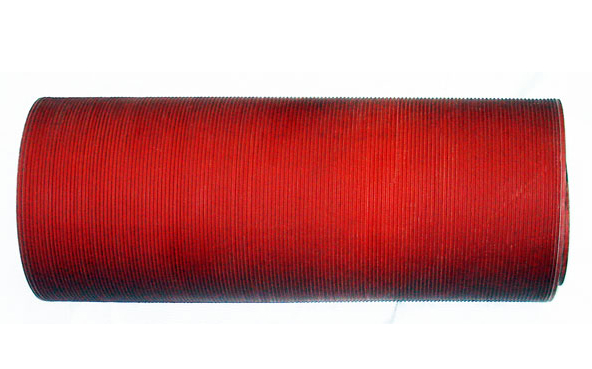
This category includes several insulating mat configurations from VICADI, with common reddish-brown natural rubber constructions and sizes such as 1 m x 0.65 m, 1 m x 1 m, and 1 m x 2 m. The listed range covers low-voltage use as well as higher test voltage options including 10 kV, 22 kV, and 35 kV, giving purchasing teams a practical spread for different electrical zones.
Representative items include the VICADI TCD-HA-1x1M Low Voltage Electrical Insulating Mat (1kV), VICADI TCD-10KV-1x1M, VICADI TCD-22KV-1x1M, and VICADI TCD-35KV-1x2M. For buyers comparing alternatives, the category also includes the VIỆT NAM 35KV Insulation mat (1mx1m), which is another example of a rubber insulating floor mat built around the same general application need.
Not every insulation task is solved with a floor mat alone. For temporary coverage of exposed conductive parts, products such as the Penta TN17120M and TN17090M insulating Velcro blankets provide a different form factor suited to localized protection during certain electrical operations.
How to choose the right insulating mat
The first point is the intended electrical environment. A low-voltage standing area in front of a cabinet may call for a different product choice than a substation or switchgear maintenance zone. It is important to match the insulation class and test voltage of the mat with the safety practices and technical requirements defined for the site.
The second point is dimensions. A 1 m x 0.65 m mat may suit a narrow operator position, while 1 m x 1 m or 1 m x 2 m options can better cover a broader working footprint. Choosing the right size helps maintain safe footing and reduces the need for awkward repositioning during operation or inspection.
Material and compliance also matter. In this category, several products are described as natural rubber and reference TCVN 5589-1991. For many industrial buyers, this supports easier comparison when standardization across multiple working locations is required.
Difference between insulating carpets and insulating blankets
Although they are both used in electrical safety, these products serve different purposes. A floor mat is designed primarily as a standing insulation surface for personnel working near energized equipment. It is laid on the floor in front of the working area and selected according to coverage and voltage-related requirements.
An insulating blanket, by contrast, is intended to cover conductive parts rather than support foot traffic. The Penta TN17120M and TN17090M examples in this category are described as Velcro blankets that can be assembled together, which is useful when technicians need flexible temporary shielding around exposed sections.
For a complete PPE setup, buyers often pair floor insulation with other protective items such as insulating gloves and insulating boots. In live-line or higher-risk intervention work, an insulated standing area is only one part of a broader protection system.
Typical applications in industry and utilities
Insulating carpets are commonly used in front of low-voltage and medium-voltage panels, transformer rooms, testing benches, electrical maintenance stations, and utility operating areas. They are especially relevant where staff perform repetitive switching, monitoring, or troubleshooting tasks and need a defined insulated standing zone.
These products are also relevant for OEM panels, industrial plants, energy facilities, and service contractors that standardize safety layouts across multiple cabinets or rooms. In some cases, teams also complement floor insulation with tools such as a hot stick when procedures require maintaining distance from energized components.
What to review before purchasing
For procurement and maintenance teams, a good starting checklist includes the required voltage class, installation location, dimensions, material preference, and the site standard that governs use and replacement. It is also useful to review whether the mat will be used permanently in front of fixed equipment or moved between work areas.
Where multiple electrical tasks are involved, it may be worth comparing floor mats with accessory insulation products in the same safety program. For example, a standing mat protects the operator’s position, while an insulating blanket protects nearby conductive points. Looking at both together can improve consistency across maintenance kits and work procedures.
- Match the product to the intended working voltage and safety rules.
- Choose dimensions that cover the operator’s actual standing area.
- Check the material and referenced standards for internal approval.
- Consider whether a mat, blanket, or combined solution is more appropriate.
Finding the right solution for your site
This insulating carpet category is built for buyers who need practical electrical safety products rather than generic floor coverings. With options from low-voltage mats up to 35 kV test-rated models, plus insulating blankets for conductive part coverage, the range supports different installation types and maintenance scenarios.
If you are comparing products for panel rooms, substations, or industrial maintenance areas, focus on the real operating context: where personnel stand, what equipment they approach, and which protective layers are required around the task. A well-chosen insulating mat can make the work area safer, more consistent, and easier to standardize across electrical sites.
-
-
-
-
-
-
-
-
-
-
-
-
-
-
-
-
-
-
-
-
-
-
-
-