


Face mask
In workplaces where dust, mist, fumes, and nuisance odors are part of daily operations, choosing the right respiratory protection is a practical safety decision rather than a simple purchase. A suitable face mask can help reduce exposure to airborne particles during grinding, sanding, sawing, bagging, mining, general manufacturing, and other industrial tasks where inhalation risks need to be managed carefully.
This category brings together disposable respirators and filtering masks used in labor protection programs, with options suited to different protection classes, fit preferences, and working conditions. For buyers, maintenance teams, EHS personnel, and industrial procurement teams, the goal is usually to match mask type, filtration level, and wearing comfort to the actual hazard on site.
Where face masks are commonly used in industry
Disposable respiratory masks are widely used in environments where workers are exposed to airborne particulates such as mineral dust, wood dust, metal particles, pollen, or process-related mist. Typical applications include construction, mining, fabrication, food processing, transportation, heavy infrastructure, and general manufacturing.
They are also relevant in tasks that create intermittent exposure rather than continuous contamination. For example, maintenance shutdowns, material handling, sanding, or occasional welding-related work may require a practical single-use respirator that is easy to distribute, wear, and replace within a broader PPE program.
Understanding the product range in this category
The selection in this category focuses mainly on disposable and filtering respirators from manufacturers such as 3M and Lighthouse. These products are commonly chosen when users need a compact solution for particle filtration without the complexity of reusable full-face or half-face respiratory systems.
Some models are intended primarily for dust and mist protection, while others also help reduce nuisance organic vapor odors in certain low-level applications. Design differences such as flat-fold versus cup style, the presence of an exhalation valve, and the shape of the mask can all affect comfort, communication, storage, and day-to-day usability.
Examples of masks and respirators available
Several representative products help illustrate the range. The 3M 9542 RESPIRATORY PROTECTION DUST FILTER MASK and 3M 9541 RESPIRATORY PROTECTION DUST FILTER MASK are intended for particulate environments such as grinding, sanding, sawing, and mining-related work, with P2-oriented positioning in the provided specifications. Their folding format supports easier carrying and storage, which can be useful for mobile teams or distributed PPE issue points.
For N95-oriented selection, the 3M 9105 RESPIRATORY MASK and 3M 8210 Particulate Respirator are relevant references. The 3M 9105 uses a V-shaped folding design intended to improve fit and speaking comfort, while the 3M 8210 is associated with industries such as construction, food processing, and general manufacturing. For buyers comparing alternatives, the Lighthouse SHIELD-95-PRO N95 Disposable Respirator and Lighthouse SHIELD-P2-PRO Filtering Half Mask provide additional options from Lighthouse.
How to choose the right face mask for your application
The first step is identifying the actual hazard. A mask selected for non-oily particulate dust may not be the right choice for fumes, vapor-heavy environments, or tasks requiring a different protection standard. Buyers should review the nature of the contaminant, concentration level, duration of exposure, and any internal safety procedures before standardizing a product across a site.
It is also important to consider fit and wearability. Features such as nose clips, folding structures, cup-style construction, and exhalation valves can influence how comfortably a mask performs during a shift. In hot or physically demanding tasks, a valved design like the 3M 8822 Disposable Respirator may help reduce heat and humidity buildup inside the mask, while flat-fold options can be easier to store and issue in quantity.
Procurement teams should also think about logistics: shelf life, storage conditions, workforce face-size variation, and whether the mask is intended for routine use or temporary issue. A technically suitable product is more effective when it also fits the realities of inventory management and worker acceptance.
Protection classes, standards, and practical buying considerations
This category includes products associated with standards and classes such as N95, P1, P2, KN90, and AS/NZS references, depending on the model. In practice, these designations help buyers understand the intended filtration performance and regulatory alignment of a respirator, but they should always be interpreted in relation to the specific task and local compliance requirements.
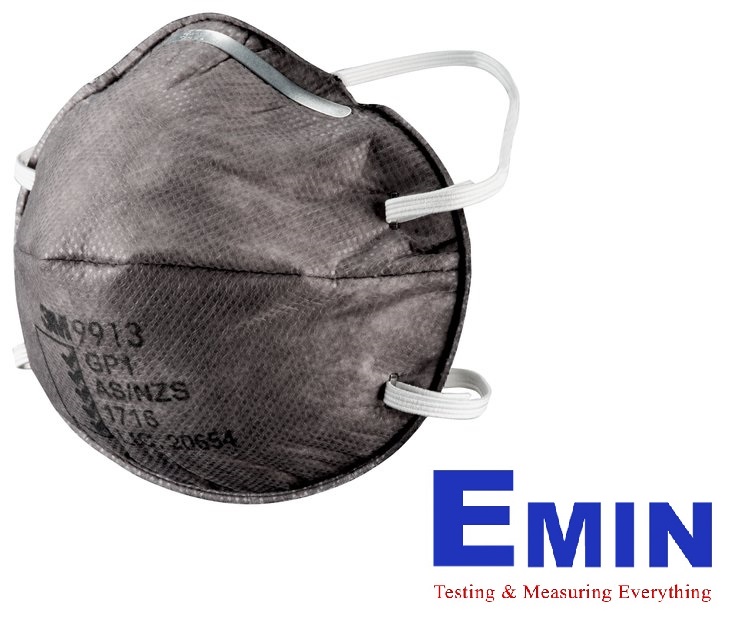
For example, products like the 3M 9913 Speciality Disposable Respirator and 3M 9914 Speciality Disposable Respirator may be more relevant where specialty use cases or nuisance odor considerations apply. The 3M 3744K cotton filter is better understood as a supporting filtration item within a respiratory protection setup rather than a standalone replacement for selecting the correct mask category.
When building a site-wide PPE list, it is often useful to separate products into groups such as general dust protection, nuisance odor relief, and specialty task use. That structure makes replenishment easier and helps reduce ordering errors across departments.
Integrating face masks into a broader PPE program
Respiratory protection works best when it is treated as one element of a wider workplace safety system. In many industrial environments, masks are selected alongside electrical safety gear, emergency supplies, and task-specific protective equipment. Teams managing site safety may also need access to items such as insulating gloves and insulating boots for electrical work, or first aid supplies as part of incident readiness.
That broader view is especially important for facilities with mixed hazards. A fabrication plant, utility contractor, or mining-related operation may need respiratory protection for dust exposure in one zone and insulated PPE in another. Organizing purchases by application instead of by product name alone usually leads to better safety coverage and more consistent stock planning.
Why brand and model differences matter
Even within the same general mask category, small design differences can have a meaningful operational impact. Some users prioritize compact folded masks for field work, while others prefer a more rigid cup-style respirator for routine repetitive tasks. Products such as the 3M 9001 Disposable Respirator, 3M 9541V Particulate Respirator, and 3M 8822 Disposable Respirator show how form factor and comfort features can vary across the range.
Brand choice can also influence standardization, especially for businesses already using PPE from a known supplier. This category includes recognized options from 3M as well as Lighthouse, giving buyers flexibility when balancing specification requirements, user preference, and procurement strategy. The right selection is usually the one that aligns with workplace risk assessment, not simply the one with the broadest recognition.
Final considerations before ordering
Before purchasing, it is worth reviewing whether the intended use involves only particulates or also fumes and nuisance odors, whether workers need extended wearing comfort, and whether a folded or cup-shaped mask is more practical for the job. Looking at standards, fit-related features, and application fit together will usually produce a better result than comparing model names alone.
For industrial buyers and safety teams, this Face mask category is most useful as a practical sourcing point for disposable respirators and filtering masks used across maintenance, production, construction, and infrastructure environments. A clear view of the hazard, combined with the right product format and standard, helps ensure that respiratory protection supports both safety compliance and day-to-day usability.
-
-
-
-
-
-
-
-
-
-
-
-
-
-
-
-
-
-
-
-
-
-
-
-