


Protect suit
Work environments that involve welding, electrical exposure, rain, abrasion, or general industrial hazards require clothing that does more than cover the body. The right protect suit helps reduce exposure to sparks, heat, moisture, and job-specific risks while supporting safer movement during routine operations, maintenance, and field work.
On this category page, buyers can explore protective garments suited to industrial and utility applications, including rainwear, welding apparel, aprons, and arc-rated clothing. The selection is relevant for contractors, maintenance teams, workshops, energy facilities, and other B2B users who need dependable body protection as part of a broader PPE program.
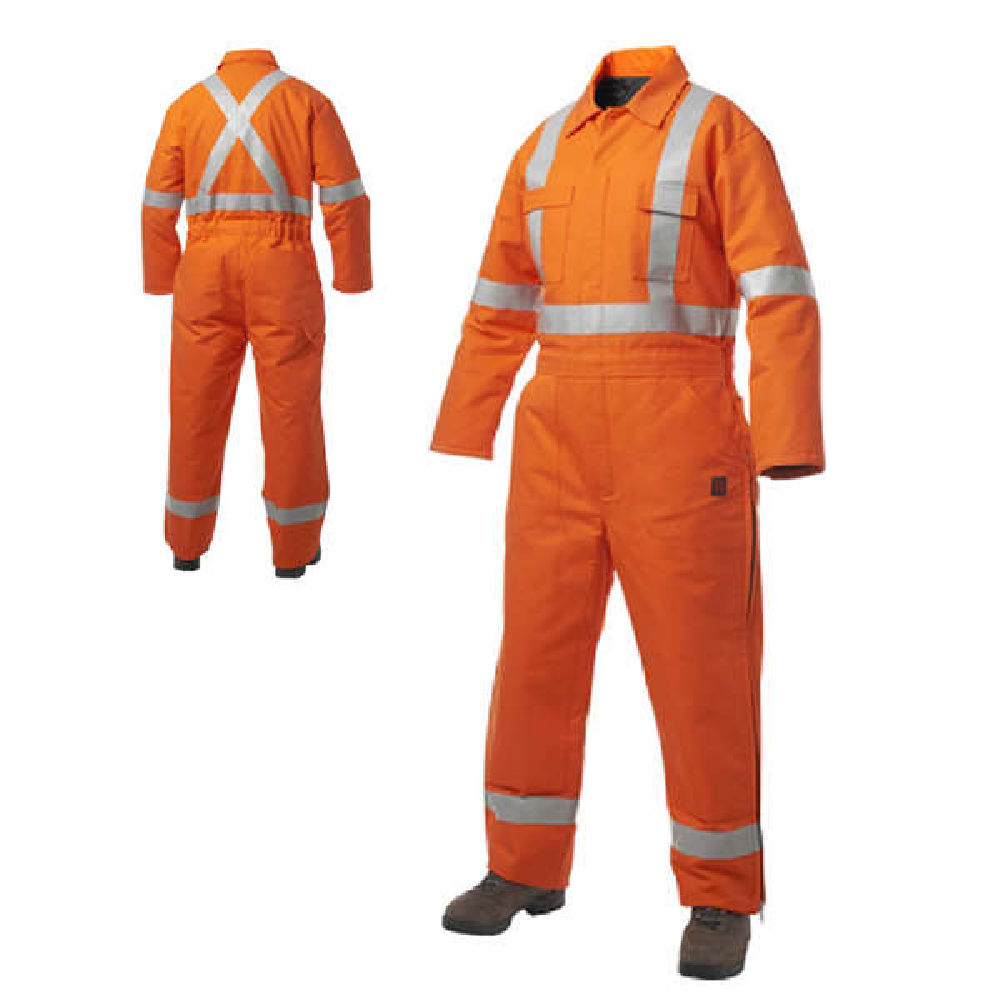
Protective clothing for different workplace risks
Not every job calls for the same level or type of protection. Some tasks mainly require resistance to water and dirt, while others involve heat, sparks, or electrical incident energy. That is why this category covers several types of garments rather than a single uniform solution.
For outdoor work and wet environments, a product such as the PROGUARD RC-8020 Heavy Duty Rainsuit illustrates the role of rainwear in keeping workers dry and more comfortable during extended tasks. In fabrication or repair settings, items like the PROGUARD WPG-223 Welding Leather Pant and PROGUARD WPG-222 Welding Leather Jacket are better aligned with hot work conditions where welding sparks and radiant heat are key concerns.
Typical product types in the Protect suit range
This category generally serves buyers looking for body protection beyond basic workwear. Depending on the task, the most suitable choice may be a full rainsuit, a leather jacket and pant combination, a protective apron, or an arc-rated coat designed for electrical environments.
The PROGUARD SLA-PU Synthetic Leather Apron is a good example of a support garment within the protective clothing ecosystem. An apron does not replace a full suit when full-body coverage is required, but it can be useful in processes where front-body abrasion resistance and splash protection are the main priorities.
For electrical safety programs, Penta products in this category show the importance of task-specific garments. The ARCBLOUSE11 series, available in multiple sizes, is designed for arc flash protection and reflects a more specialized selection process than standard industrial workwear.
How to choose the right protect suit
A practical selection process starts with the actual hazard. Buyers should consider whether the main concern is weather exposure, mechanical abrasion, hot work, or electrical risk. From there, material type, coverage area, mobility, fastening style, and size range become easier to evaluate in context.
For example, PVC and polyester rainwear may suit general outdoor utility or site work where water resistance matters most. Leather-based garments are often preferred for welding and grinding zones because they are better suited to contact with sparks and heat. Arc-rated clothing, on the other hand, must be chosen according to the company’s electrical safety assessment and the expected incident energy of the task.
- Match the garment to the hazard, not just to the job title.
- Check whether full-body, upper-body, lower-body, or front-body protection is needed.
- Review size availability to support worker comfort and compliance.
- Consider compatibility with gloves, boots, helmets, and other PPE.
Examples from leading manufacturers
This category includes products from recognized PPE suppliers such as PROGUARD and Penta, with broader brand context also available from manufacturers like 3M and DELTAPLUS. The focus should not be on brand name alone, but on how each garment fits the intended operating conditions and protection objective.
Within the current range, PROGUARD examples are useful for general industrial protection needs, including rainwear, welding clothing, and aprons. Penta examples represent a more specialized segment where arc flash protection is part of the purchasing criteria, and garment selection must align with electrical safety practices.
Protect suit use cases in industrial and utility settings
Protective garments in this category are relevant across many field and workshop scenarios. Maintenance personnel may need rainwear during outdoor inspections, while fabrication teams need leather apparel for welding bays. Electrical contractors and utility crews may require arc-rated coats when working near energized systems or under controlled procedures.
In many organizations, body protection is selected as part of a full PPE setup rather than as a standalone purchase. A protect suit may be used together with insulating gloves and boots or other task-specific safety equipment depending on the work environment and internal safety rules.
Why material and garment design matter
Material choice has a direct impact on performance, durability, and worker acceptance. A lightweight waterproof suit can improve comfort in wet conditions, while leather garments are often chosen for their robustness in hot work. Arc-rated fabrics add another layer of decision-making because the protection requirement is linked to electrical hazards rather than only physical wear.
Design details also influence day-to-day usability. Adjustable closures, practical pocket layouts, non-corrosive hardware, and visible trims can all contribute to easier deployment on site. In B2B procurement, these details matter because they affect not only safety but also standardization across teams and replacement planning over time.
Supporting a broader PPE program
Protective clothing works best when it is integrated into a wider safety system. That includes hazard assessment, worker training, inspection routines, and the use of complementary equipment suited to the same task. For electrical and utility applications, buyers may also review related items such as hot stick equipment or first-aid readiness depending on the work scope.
For procurement teams, the value of a dedicated Protect suit category lies in being able to compare different garment types for different risk profiles in one place. This makes it easier to narrow down suitable options for operations, maintenance, contractor supply, and project-based purchasing.
Finding the right fit for your application
The most effective protect suit is the one that matches the real working environment, the identified hazard, and the way employees actually perform the task. From heavy-duty rainwear to welding garments and arc-rated coats, this category helps buyers review practical options for body protection without losing sight of application-specific requirements.
If you are building or updating a PPE selection for industrial, workshop, or utility use, use this category to compare garment styles, materials, and protection purposes carefully. A clear understanding of the hazard will lead to a more appropriate and more sustainable purchasing decision.
-
-
-
-
-
-
-
-
-
-
-
-
-
-
-
-
-
-
-
-
-
-
-
-