


Insulating Gloves, Insulating Boots
Working around energized equipment requires more than procedural discipline. In many maintenance, utility, and industrial electrical tasks, the right personal protective equipment helps create an essential barrier between the worker and accidental contact voltage. This category focuses on Insulating Gloves, Insulating Boots used in electrical safety programs where dielectric protection is part of daily field work, shutdown activity, or substation maintenance.
For buyers, safety officers, and maintenance teams, the main challenge is usually not just finding rubber PPE, but selecting gear that matches the expected voltage class, working conditions, sizing requirements, and inspection routine. That is why this range brings together gloves and boots intended for low-voltage and higher-voltage electrical applications, making it easier to compare options by use case rather than by product name alone.
Where insulating gloves and boots are typically used
Electrical insulating PPE is commonly used by utility crews, panel technicians, industrial electricians, testing personnel, and contractors working near live conductors or equipment that may remain energized. In these environments, gloves protect the hands during handling and verification tasks, while boots help reduce risk from ground contact and step potential in specific working conditions.
These products are relevant across switchboards, distribution cabinets, cable work, power maintenance, and general electrical servicing. In a broader safety setup, they are often used together with tools such as hot stick equipment and floor protection such as insulating carpet, depending on the task and site procedure.
Understanding the role of gloves versus boots
Insulating gloves are selected primarily for hand protection when there is a risk of exposure to electrical potential during direct work activity. They are especially important when workers are operating around conductors, terminals, connectors, or energized assemblies where accidental contact could occur.
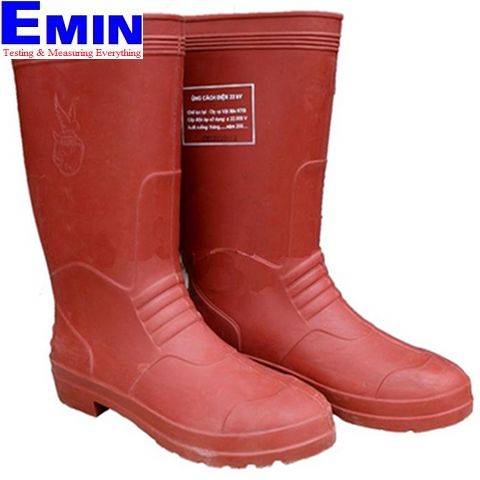
Insulating boots serve a different but complementary function. They are intended to help isolate the worker from the ground in electrical environments, which can be important in outdoor utility work, substation access, and maintenance zones where surface conditions and system voltage require additional protection at foot level.
Because gloves and boots address different contact paths, many organizations treat them as part of a coordinated PPE approach rather than interchangeable items. Selection should therefore be based on the actual job hazard assessment, not only on convenience or stock availability.
Product examples available in this category
This category includes representative products from manufacturers such as Regeltex and VICADI, covering a range of insulating levels and common field sizes. For example, the Regeltex GLE36-00/09 insulating gloves are positioned for lower-voltage applications, while models such as the Regeltex GLE41-2/9 and Regeltex GLE41-4/09 support higher dielectric protection requirements.
On the footwear side, VICADI insulating boots are available in several voltage ratings and sizes, including low-voltage options such as UCD-HA-41 and UCD-HA-42, as well as higher-rated models like UCD-22KV-42, UCD-30KV-42, and UCD-35KV-42. This makes the category suitable for teams that need to standardize PPE across multiple workers while still matching task-specific protection levels.
The available range is particularly useful for procurement teams that need both hand and foot protection in one place. Instead of evaluating separate product lines without context, buyers can compare equipment that belongs to the same electrical safety workflow.
How to choose the right insulating PPE
The first consideration is the required voltage rating for the job. Electrical PPE should be chosen according to the working environment, applicable procedures, and the expected exposure level. A glove or boot with an unsuitable rating may not align with the protection strategy defined by the employer or site safety rules.
The second factor is fit and usability. Gloves must allow enough dexterity for practical work without compromising safety, while boots must match the wearer’s size and support stable footing in the real operating environment. Several products in this category are available in common sizes, which helps when equipping teams with consistent PPE.
Material and compliance references also matter. Many of the listed products use natural rubber, and some models reference standards such as TCVN5586-1991 or TCVN5588-1991. For buyers, this information is useful when checking internal documentation, acceptance criteria, or alignment with local operating requirements.
Inspection, care, and replacement considerations
Even when electrical PPE is manufactured for dielectric protection, performance in service depends heavily on condition. Gloves and boots should be checked for visible damage, cuts, punctures, cracking, surface contamination, or aging before use. Storage conditions also matter, especially for rubber materials that can degrade when exposed to heat, sunlight, chemicals, or improper folding.
Routine inspection is only one part of the process. Many organizations also apply scheduled testing, controlled storage, and defined replacement intervals to maintain a reliable safety program. In practice, selecting quality PPE is only the starting point; maintaining it correctly is what supports long-term effectiveness in the field.
Building a safer electrical work setup
Insulating gloves and boots are most effective when integrated into a wider protection system. Depending on the maintenance scenario, teams may also need rescue tools, access accessories, and emergency support items. For sites preparing a more complete response plan, it can be helpful to review related categories such as first aid supplies alongside task-specific electrical protection equipment.
For procurement teams managing multiple crews or facilities, it is often more efficient to evaluate PPE as part of a complete application workflow: approach protection, hand protection, foot protection, and emergency readiness. This makes purchasing decisions more practical and helps reduce mismatches between field requirements and stocked inventory.
Who this category is suitable for
This category is relevant for factories, utilities, M&E contractors, panel builders, service companies, and maintenance departments that need dependable electrical protective gear for operational work. It is also suitable for safety managers building or updating stock lists for shutdowns, preventive maintenance, and field interventions.
Whether the need is a lower-voltage glove for routine electrical tasks or higher-rated boots for more demanding environments, the selection here supports comparison by protection level, model type, and manufacturer. That makes it easier to shortlist products for technical review before purchase.
Final considerations before ordering
Choosing electrical protective footwear and hand protection should always start with the real operating risk, followed by rating, fit, and inspection requirements. A well-selected item is not simply a rubber accessory; it is part of the site’s electrical safety control strategy and should be treated accordingly.
Explore the available models in this category to compare insulating gloves and insulating boots for your application. If your team works across different voltage levels or job types, reviewing products by intended use and protection class will usually lead to a more practical and safer purchasing decision.
-
-
-
-
-
-
-
-
-
-
-
-
-
-
-
-
-
-
-
-
-
-
-
-