


Cleaning sanitary equipment
Clean, controlled work areas are essential in workshops, production lines, maintenance zones, and commercial facilities. Choosing the right cleaning sanitary equipment helps reduce dust buildup, improve day-to-day hygiene, and support safer operation around tools, materials, and electrical systems.
This category brings together equipment used for dry and wet cleaning tasks, routine housekeeping, and site maintenance. It is relevant for users who need practical solutions for factory floors, service vehicles, installation work, warehouses, and general industrial or commercial cleaning.
Where this equipment fits in daily operations
In B2B environments, cleaning is not only about appearance. Dust, debris, and liquid spills can affect equipment reliability, operator comfort, and the overall efficiency of a workspace. A suitable cleaning setup is often part of preventive maintenance, especially in areas where drilling, cutting, packaging, or material handling takes place.
Depending on the job, users may need compact cordless vacuums for mobile service work, larger wet/dry extractors for workshop cleanup, or supporting tools that integrate with broader maintenance routines. In many cases, cleaning equipment also works alongside hand tools and service accessories from the wider Kits & Tools range.
Common equipment types in this category
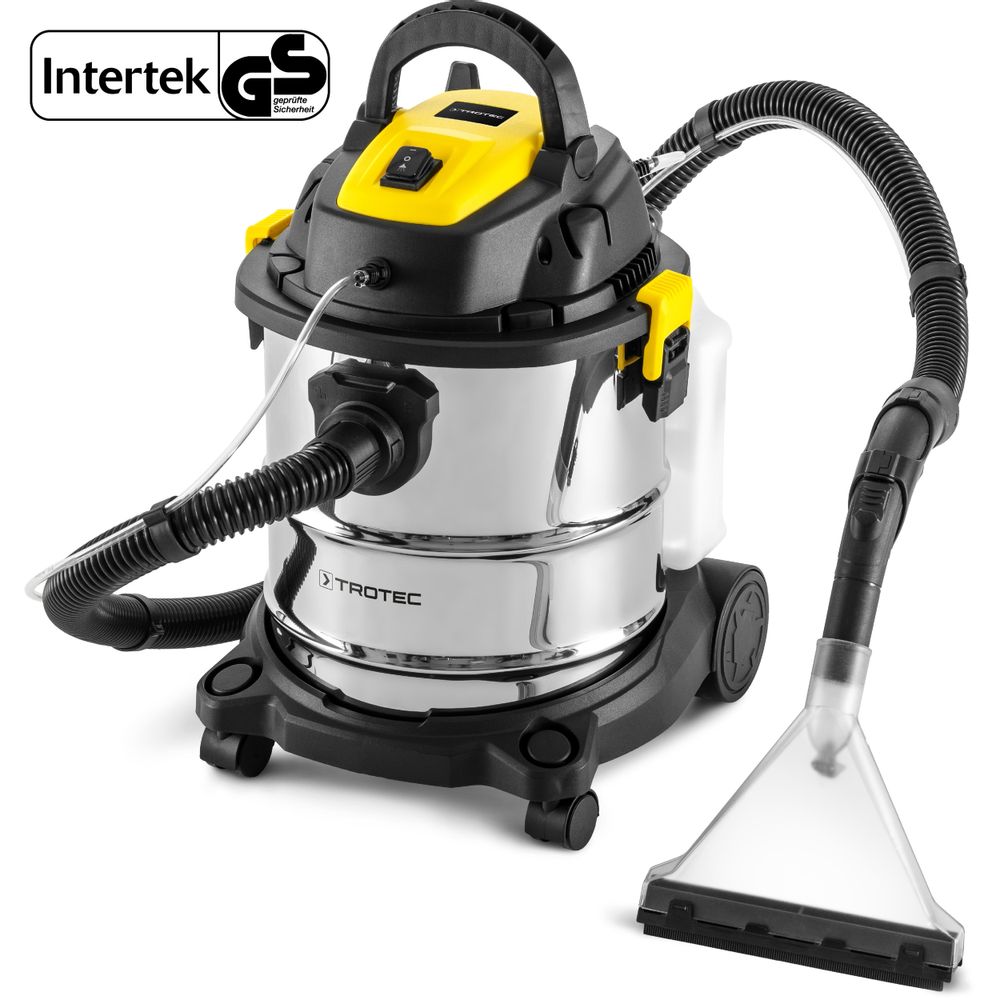
This category typically covers solutions for dust collection, wet and dry vacuuming, and floor care. Some models are designed for quick spot cleaning in confined spaces, while others are better suited to longer cleaning cycles and larger tank capacity.
Cordless vacuum cleaners are useful when mobility is important, such as field service, installation work, or vehicle cleaning. Wet/dry extractors are better suited to mixed debris, including dust and occasional liquid pickup. For broader facility hygiene requirements, users may also compare options such as air treatment solutions when airborne particles are part of the concern.
Representative products and practical use cases
Several products in this category illustrate the range of applications. For portable cleaning, the Milwaukee (tool) M18 FCVL-0 Compact Vacuum and the 18V MILWAUKEE battery vacuum cleaner M18 CV-0 (BARE) are aligned with mobile, battery-powered work where compact size and flexible access matter. These are the kinds of units often used for quick cleanup after installation, service, or light trade work.
For wet and dry applications, the Milwaukee (tool) M18 VC2-0 Wet/Dry Vacuum and M12 FVCL-0 Wet/Dry Vacuum show how cordless platforms can support more versatile cleanup tasks. This is useful where power outlets are limited or where movement between work zones is frequent. If battery platform compatibility is part of your selection criteria, it can also be useful to review related battery options within the broader product ecosystem.
On the corded side, BOSCH models such as the GAS 12-25 PL Wet/Dry Extractor, GAS 12-25 Vacuum cleaner, GAS 15 Vacuum cleaner, and GAS 15 PS Wet/Dry Extractor are representative of workshop-oriented extraction and cleanup. These are generally better suited to longer runtime expectations and more demanding housekeeping around benches, tools, and floor areas. For users comparing brand ecosystems, the BOSCH range is a relevant reference point in this segment.
MAKITA also appears with solutions such as the DVC750LZX3 Cordless Cleaner and VC2000L Vacuum Cleaner, covering both cordless portability and larger-capacity cleaning needs. The MAKITA DUB187Z, which combines blowing and vacuuming functions, highlights how some equipment supports debris removal in outdoor or semi-open workspaces where collection and airflow both matter.
How to choose the right cleaning sanitary equipment
A practical selection process starts with the material you need to collect. Fine dust, heavier debris, and liquid pickup place different demands on airflow, vacuum pressure, filtration, and tank size. For short, frequent tasks, a compact model can be more efficient than a larger machine that is harder to move and store.
Power source is another important factor. Cordless units are convenient for service teams and multi-location tasks, while corded equipment is often preferred for fixed-site cleaning with longer operation time. Capacity should match the cleanup volume, and hose length or form factor should suit the actual access conditions of the workspace.
Users should also consider filter type and maintenance intervals. Where dust control is a priority, filtration becomes more important than simple suction performance. If the cleaning process takes place near electrical assemblies, panels, or sensitive devices, it is worth planning around nearby circuit protection requirements and safe housekeeping practices.
Why cordless and wet/dry models are especially popular
Many buyers now look for a balance between mobility and versatility. Cordless cleaning equipment can reduce setup time and make it easier to clean ladders, vehicles, cabinets, or remote work areas. This is especially relevant for contractors, maintenance teams, and technicians who move between jobs throughout the day.
Wet/dry functionality is also attractive because it broadens the range of cleaning tasks a single machine can handle. Instead of using separate tools for dry dust and accidental spills, operators can manage both with one platform, provided the equipment is matched to the application and maintained correctly.
Brand ecosystems and compatibility considerations
For many professional users, brand choice is not only about the vacuum itself. It can also involve battery compatibility, accessory availability, service support, and consistency with existing tool fleets. In this category, names such as Milwaukee (tool), BOSCH, and MAKITA are relevant because users often prefer equipment that fits established workflows and charging platforms.
Top manufacturers in the broader category also include 3M, Black & Decker, DEWALT, ELECTROLUX, HITACHI (Inspire The Next), Karcher, and METABO. The right choice depends less on brand visibility alone and more on how the equipment will be used: mobile cleaning, workshop extraction, facility housekeeping, or mixed dry and wet cleanup across multiple sites.
Good planning leads to better maintenance results
Cleaning equipment is most effective when it is selected as part of a real operating routine rather than as an afterthought. Matching the machine to debris type, runtime needs, mobility, and maintenance expectations helps improve usability and reduces the likelihood of underperforming equipment on site.
Whether you are equipping a workshop, supporting field technicians, or improving housekeeping in a commercial facility, this category offers practical options for dust collection, spill management, and general cleanliness. Reviewing the operating environment first will make it easier to narrow down the right cleaning sanitary equipment for your application.
Types of Cleaning sanitary equipment (385)
- Air purifier (16)
- Industrial sweeper (15)
- Vacuum Cleaner, floor scrubber (354)
-
-
-
-
-
-
-
-
-
-
-
-
-
-
-
-
-
-
-
-
-
-
-
-