


Vacuum Cleaner, floor scrubber
Clean, controlled work areas matter in workshops, maintenance rooms, factories, commercial buildings, and facility management operations. Choosing the right vacuum cleaner and floor scrubber helps reduce dust buildup, manage wet spills, improve daily housekeeping, and support a safer environment for operators and equipment alike.
This category brings together cleaning equipment used for both quick debris removal and more demanding wet/dry cleanup tasks. It is especially relevant for buyers comparing cordless versus corded solutions, tank capacity, suction performance, portability, and suitability for routine maintenance across industrial and commercial settings.
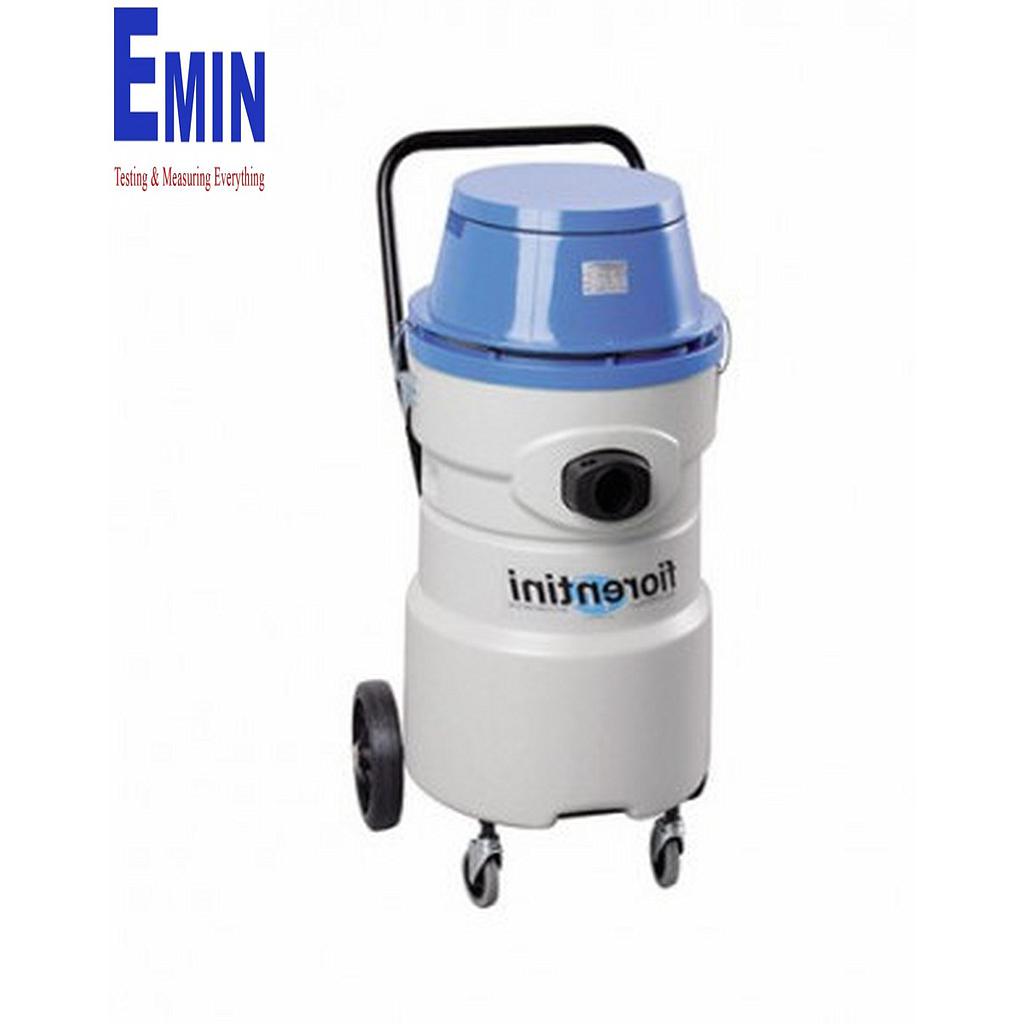
Equipment for everyday cleanup and industrial maintenance
In B2B environments, cleaning equipment is rarely a one-size-fits-all purchase. Some users need a compact unit for service calls, machine-side cleanup, or vehicle interiors, while others require a larger wet/dry extractor for workshops, construction dust, liquid pickup, or general facility maintenance.
That is why this category includes a practical mix of compact cordless vacuums, portable wet/dry models, and larger extractors with higher container capacity. For broader cleaning workflows, buyers may also compare related equipment such as industrial sweepers when loose debris must be collected over larger floor areas before vacuuming or scrubbing.
Cordless and corded options for different workflows
Cordless vacuum cleaners are often selected when mobility is a priority. They are useful for technicians moving between workstations, maintenance teams working in areas without convenient power access, or applications where fast spot cleaning is more important than large tank volume. Examples in this category include models from Milwaukee (tool), such as the M18 FCVL-0 Compact Vacuum, M18 VC2-0 Wet/Dry Vacuum, and M12 FVCL-0 Wet/Dry Vacuum, as well as the BOSCH GAS18V-LI and MAKITA DVC750LZX3.
Corded wet/dry extractors remain a strong choice for longer cleaning cycles and higher-duty applications. Units such as the BOSCH GAS 12-25 PL, BOSCH GAS 12-25, BOSCH GAS 15, BOSCH GAS 15 PS, and MAKITA VC2000L are more aligned with workshop cleanup, renovation debris, or repeated wet and dry collection where continuous runtime and larger containers are important.
How to choose the right vacuum cleaner or scrubber
Selection usually starts with the type of material being collected. Dry dust, coarse debris, fine particles, and liquids place different demands on airflow, vacuum pressure, filtration, and tank design. A compact handheld or portable cordless model may be enough for localized cleanup, while a larger wet/dry machine is typically more efficient for mixed debris and recurring maintenance routines.
Battery platform can also be a major factor for tool fleet standardization. If your team already uses 12 V or 18 V cordless tools, selecting a compatible vacuum can simplify battery management and reduce downtime. For fixed-site cleaning tasks, however, corded models may provide a more straightforward solution with fewer charging considerations.
It is also worth looking at practical details such as hose length, machine weight, liquid capacity, and transportability. These affect real-world usability just as much as headline suction figures, especially when operators need to move frequently between rooms, machines, or service locations.
Examples of products in this category
For compact cordless cleaning, the Milwaukee M18 FCVL-0 is positioned as a portable vacuum for quick pickup tasks, while the Milwaukee M18 VC2-0 and M12 FVCL-0 extend into wet/dry applications with portable form factors. The 18V MILWAUKEE M18 CV-0 is another option for users who prioritize battery-powered convenience for routine cleaning jobs.
Within the BOSCH range, the GAS 12-25 PL and GAS 12-25 are more suited to users seeking higher-capacity workshop-style cleanup, and the GAS 15 or GAS 15 PS fit general wet/dry extraction needs in maintenance and site work. For MAKITA users, the DVC750LZX3 offers cordless portability, while the VC2000L supports corded cleaning applications with a larger tank format.
Some products also sit at the edge of this ecosystem, such as the MAKITA DUB187Z, which combines blower and vacuum functionality for outdoor or light debris handling use cases. This can be practical where operators need flexible cleanup around entrances, pathways, or mixed maintenance zones.
Brand ecosystems and procurement considerations
For many business buyers, brand choice is not only about machine performance. It also relates to battery compatibility, service familiarity, accessory availability, and existing procurement standards. In this category, commonly referenced manufacturers include BOSCH, MAKITA, and Milwaukee (tool), all of which are widely considered when buyers want cleaning equipment that aligns with established power tool ecosystems.
If your application extends beyond vacuuming to air-quality management in enclosed spaces, it can be useful to review related solutions such as air purification equipment. While these products serve different functions, they are often evaluated together in workshops, service centers, laboratories, and other environments where dust control and indoor cleanliness both matter.
Common use cases across industries
Vacuum cleaners and floor cleaning equipment are used in maintenance departments, fabrication shops, warehouses, service vehicles, retail facilities, office buildings, and light industrial production areas. Common tasks include collecting drilling or cutting debris, removing dust around equipment cabinets, cleaning wet spills, and maintaining walkways and workstations.
In construction support and renovation environments, wet/dry extractors are often preferred because they can handle more varied cleanup conditions. In contrast, cordless compact units are well suited to after-installation cleanup, scheduled maintenance, and quick intervention tasks where mobility and setup speed are more important than maximum container size.
What to compare before placing an order
Before purchasing, it helps to compare the intended duty cycle, dry versus wet use, expected debris type, required runtime, and storage constraints. Buyers should also think about whether the unit will be used by one technician occasionally or by multiple operators throughout the day, since this affects the value of battery systems, tank size, and overall durability expectations.
Accessory support can be just as important as the main machine. Nozzles, hoses, floor tools, and filters influence how effectively a vacuum performs in narrow spaces, on open floors, or in mixed cleanup scenarios. A well-matched machine is usually the one that fits the cleaning routine with minimal interruption, rather than simply the one with the largest stated performance figures.
Finding the right fit for your cleaning workflow
This category is designed to support a wide range of professional cleaning and maintenance needs, from portable cordless vacuums to larger wet/dry extractors for demanding site conditions. Whether you are standardizing around a battery platform, upgrading workshop cleanup capability, or selecting equipment for general facility maintenance, the right choice depends on how and where the machine will be used every day.
Review the available models in this category with attention to mobility, tank capacity, suction characteristics, and compatibility with your existing tools and cleaning process. A suitable vacuum cleaner or floor cleaning solution will improve housekeeping efficiency while making routine maintenance work more manageable over time.
-
-
-
-
-
-
-
-
-
-
-
-
-
-
-
-
-
-
-
-
-
-
-
-