


Industrial sweeper
Keeping production floors, warehouses, hospitals, hotels, and logistics areas clean is not only a matter of appearance. In many facilities, efficient debris collection and dust control support safer movement, smoother material handling, and more consistent daily operations. This is where industrial sweeper equipment becomes relevant, especially in environments that need faster cleaning than manual sweeping can provide.
On this category page, buyers can explore equipment related to floor sweeping, mobile cleaning support, and facility transport tasks that often go hand in hand in commercial and industrial maintenance workflows. The goal is to help you compare practical options based on working area, mobility needs, and the type of cleaning routine your site requires.
Where industrial sweepers fit in daily facility operations
An industrial sweeper is typically selected when large floor areas must be cleaned more quickly and more consistently than with basic manual tools. Common use cases include factories, loading zones, parking structures, corridors, retail back-of-house spaces, and public facilities where dust, dry debris, and everyday dirt accumulate throughout the day.
In practice, sweeping equipment is often part of a broader cleaning system. Facilities that need deeper surface care may also review vacuum cleaner and floor scrubber solutions alongside sweepers, especially when both dry debris removal and wet floor cleaning are required in the same building.
Manual, powered, and support equipment in the same workflow
Not every site needs the same cleaning format. Some operations benefit from a dedicated ride-on sweeper for regular coverage of large open areas, while others rely on hand trucks, trolleys, or housekeeping carts to move supplies, waste bags, tools, and cleaning accessories between zones. In real-world facility maintenance, these support products are often just as important as the core sweeping machine.
For larger sites, the Tennant 6100 Sub-Compact Battery Ride-On Sweeper is an example of a compact ride-on solution intended for efficient sweeping over broader areas. Where cleaning crews also need to move materials or equipment, practical transport products such as the STANLEY SXWTC-HT539 Hand truck or ADVINDEQ trolley models can help streamline the overall workflow rather than treating cleaning as a standalone task.
Representative products commonly considered in this category
Several products in this range illustrate how industrial cleaning and facility handling often overlap. The Tennant 6100 Sub-Compact Battery Ride-On Sweeper represents the dedicated sweeping side of the category, suitable for users looking for a machine-focused approach to floor debris collection in commercial or industrial environments.
On the support side, the ADVINDEQ PT-150 4 Wheels Plastic Flooring Trolley and ADVINDEQ TL-320 Steel Floor 4 Wheel Trolley are relevant when teams need to move cleaning supplies, waste, cartons, or maintenance items across a site. For housekeeping-heavy environments such as hotels or healthcare support areas, the HICLEAN HC 180C Hotel Housekeeping Cart reflects the role of organized mobile storage in daily cleaning routines.
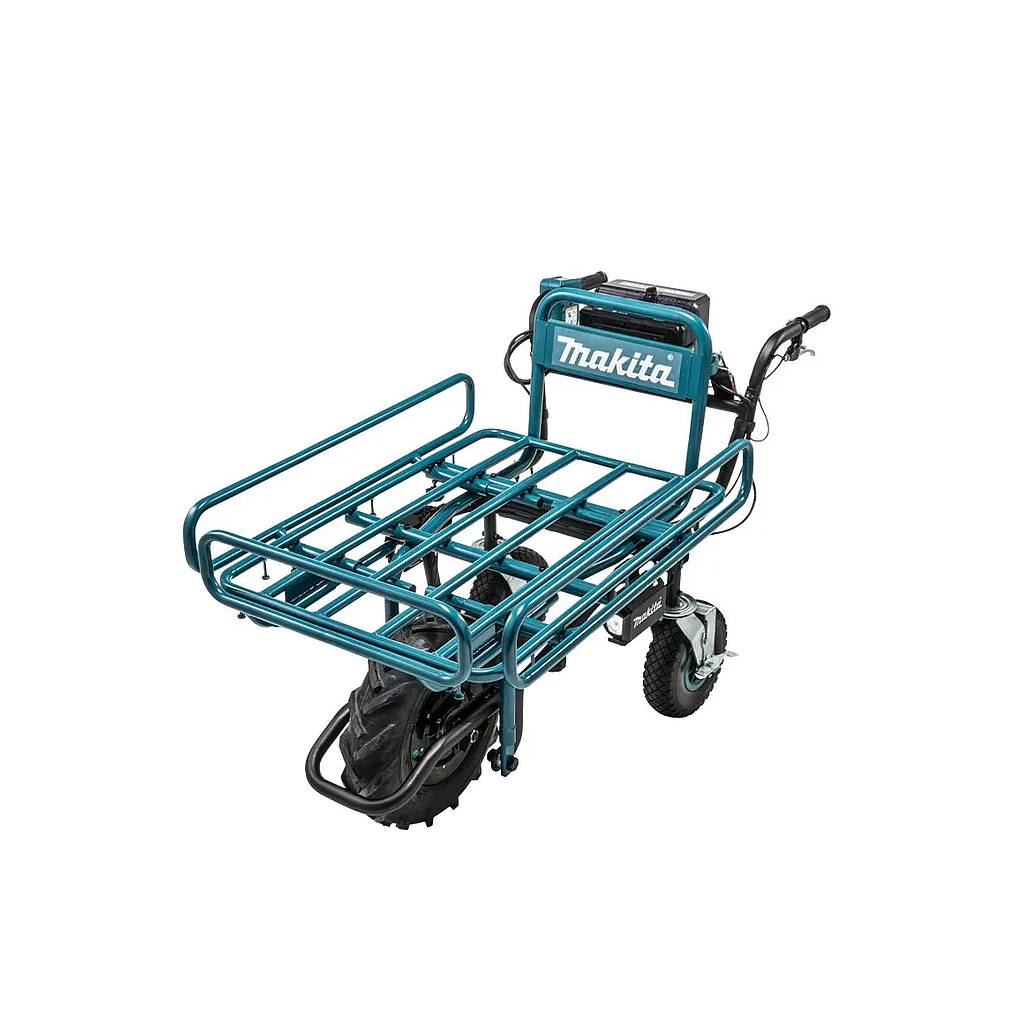
There are also cases where mobility over uneven ground matters. The MAKITA DCU180Z Cordless Powered Wheelbarrow can support internal transport tasks in construction-related or outdoor service areas, while the Super Cleaner EV-245CP Carpet cleaner points to adjacent needs in carpeted spaces where sweeping alone is not enough.
How to choose the right industrial sweeper setup
The most effective selection process starts with the cleaning environment. A warehouse aisle, hotel corridor, workshop floor, and outdoor service path all present different challenges in terms of debris type, maneuvering space, and cleaning frequency. Buyers should consider whether they need a machine focused on sweeping performance, or a broader cleaning setup that includes transport carts and housekeeping support equipment.
It also helps to define the operating pattern. If the task involves repeated cleaning across large surfaces, a ride-on sweeper may improve productivity. If crews clean smaller zones while moving supplies from one area to another, a mix of trolley, hand truck, and housekeeping cart solutions may be more practical. In sites with mixed indoor and outdoor movement, powered transport support can reduce manual effort during long shifts.
Another key factor is load handling and mobility. Products such as folding hand trolleys, steel platform trolleys, and powered wheelbarrows address different transport needs, from lightweight portable use to heavier routine movement of tools or waste. Looking at floor type, gradients, storage space, and operator handling requirements will usually narrow down the most suitable option quickly.
Popular manufacturers featured in this category
This category includes products from recognized names such as MAKITA, STANLEY, Tennant, ADVINDEQ, HICLEAN, and Super Cleaner. Each brand appears in a slightly different role within the broader cleaning and site-maintenance ecosystem, from powered transport and hand trucks to ride-on cleaning machines and carpet care equipment.
ADVINDEQ is especially relevant when the requirement centers on platform trolleys and foldable transport equipment for internal handling. Tennant is associated here with ride-on sweeping, while HICLEAN and Super Cleaner align more closely with housekeeping and specialized cleaning support. This mix can be useful for B2B buyers who want to compare not only product types, but also how different brands fit into a complete maintenance process.
When to combine a sweeper with other cleaning equipment
Many facilities do not rely on sweeping alone. Dry debris removal is often the first step, but depending on the area, it may be followed by vacuuming, floor scrubbing, carpet cleaning, or air-quality control. That is why category planning is often more effective than selecting a single machine in isolation.
If your site includes fine dust, hard floors that need washing, or soft surfaces that require extraction cleaning, it may be worth reviewing related equipment such as air purification systems for cleaner indoor environments, or adjacent floor-cleaning categories for a more complete facility solution. This approach is especially relevant in healthcare, hospitality, workshops, and mixed-use commercial buildings.
Practical buying considerations for B2B users
For business buyers, the right decision usually depends on total workflow efficiency rather than a single product feature. Consider how often the equipment will be used, who will operate it, how much space is available for storage, and whether the task is mainly sweeping, transporting supplies, or supporting housekeeping teams. A compact hand truck and a ride-on sweeper solve very different problems, even if both contribute to site cleanliness.
It is also worth thinking about scalability. A facility may begin with basic transport carts and later add dedicated sweeping equipment as floor area, traffic, or hygiene requirements increase. Reviewing representative models in this category can help clarify whether you need a standalone sweeper, a support cart, or a combination that fits your operating routine more effectively.
Conclusion
Choosing industrial sweeping and cleaning support equipment is ultimately about matching the tool to the environment. Some sites need a dedicated sweeper for large-area coverage, while others gain more value from trolleys, housekeeping carts, powered transport, or complementary cleaning systems that support day-to-day maintenance.
By comparing the products and manufacturers available in this category, B2B buyers can build a more practical cleaning workflow for warehouses, commercial buildings, hospitality spaces, and industrial facilities. A well-matched setup helps improve productivity, supports cleaner floors, and makes routine maintenance easier to manage over time.
-
-
-
-
-
-
-
-
-
-
-
-
-
-
-
-
-
-
-
-
-
-
-
-