


Organic chemistry equipment
Hands-on laboratory work is essential when learners move from chemical theory to reaction behavior they can actually observe, compare, and explain. In teaching labs, training centers, and research-oriented classrooms, the right equipment makes it easier to demonstrate core concepts such as hydrocarbons, alcohols, esters, carbonyl compounds, and polymer-related reactions in a structured, repeatable way.
Organic chemistry equipment in this category is intended for practical experiment work, especially in educational environments that need organized sets, safe handling, and coverage of curriculum-based topics. The range is particularly relevant for schools and training institutions looking for experiment systems that support progressive learning rather than isolated individual tools.
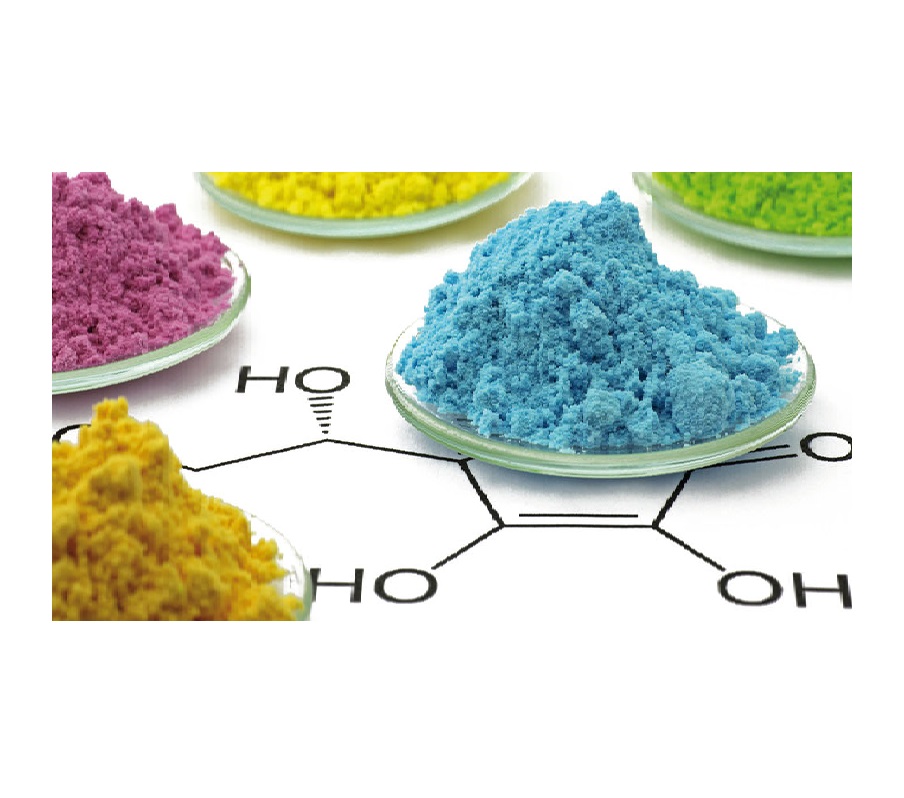
Designed for structured organic chemistry experiments
Organic chemistry teaching often requires more than basic glassware. A well-prepared setup should support heating, mixing, separation, observation, temperature monitoring, and safe handling across multiple experiment types. That is why many buyers prefer complete educational sets that bring together the required components in a coherent format.
In this category, practical lab systems are especially useful for introducing learners to reaction classes and material behavior through direct experimentation. For broader lab setups, users may also compare related ranges such as general chemistry equipment when building a more complete teaching environment.
Typical applications in schools and training laboratories
These products are suited to classroom demonstrations, guided student experiments, and practical chemistry training for middle and secondary education levels. Instead of relying on improvised combinations of standalone items, educators can work with equipment sets aligned to specific topics and experiment sequences.
Typical use cases include introductory testing of organic substances, observation of physical and chemical changes, simple preparation steps, and experiments involving combustion, functional groups, and reaction products. Depending on the curriculum, the category can also support links to adjacent topics such as plastics and food-related chemistry, which often help connect laboratory lessons to everyday materials and applications.
Representative equipment sets in this category
A leading example is the PHYWE educational range, which is well known for modular teaching systems and experiment-oriented lab equipment. One of the most relevant products here is the PHYWE 15304-88 Student Set Organic Chemistry (grades 7-10), a set built for a broad introduction to organic chemistry through experiments covering preliminary tests, hydrocarbons, petroleum-related topics, alcohols, carbonyl compounds, carboxylic acids, esters, and soaps.
For institutions that want to expand beyond core organic chemistry, the category context also connects naturally with the PHYWE 15305-88 Student Set Chemistry Of Polymers and the PHYWE 15306-88 Student Set Food Chemistry. These sets show how organic chemistry teaching often sits within a wider practical chemistry ecosystem, where polymer science, material identification, and food analysis all benefit from similar lab workflows and instructional methods.
What to look for when selecting organic chemistry equipment
The first consideration is experiment scope. Some buyers need equipment for foundational demonstrations only, while others require a set that can support a larger number of student experiments across several topic blocks. When reviewing options, it is helpful to check whether the equipment supports the intended teaching depth and whether accessories or consumables are required separately.
The second key factor is classroom usability. In educational settings, compact storage, completeness control, and simple setup can save significant preparation time. Sets supplied in stackable boxes or with organized inserts are often easier to manage, especially when the same equipment must be shared between groups or stored between lessons.
A third factor is safety and durability. Organic chemistry activities may involve heating, glass components, transfer tools, protective items, and repeated handling by students. Choosing equipment intended for recurring instructional use can help improve consistency and reduce avoidable setup problems in busy lab environments.
How this category fits into a broader chemistry lab setup
Organic chemistry rarely stands alone in education. Many training labs combine these products with adjacent categories to cover a full chemistry curriculum. For example, users building a broader teaching station may also need inorganic chemical equipment for complementary reaction topics or physicochemical equipment where measurement and material-property investigations are part of the program.
This wider context matters because many institutions purchase not just one experiment set, but a scalable learning platform. Organic chemistry equipment therefore plays a role as part of a connected laboratory ecosystem, supporting progression from general principles to more specialized applications such as polymers, food chemistry, and molecular-level concepts.
Benefits of complete educational experiment sets
Compared with purchasing many separate lab items individually, complete sets can simplify procurement and day-to-day teaching. They usually offer a more practical balance between apparatus, handling tools, and protective accessories, while also making lesson planning more predictable.
For teachers and lab coordinators, this can mean shorter preparation time, easier inventory checks, and better repeatability from one class to the next. For students, a structured set supports practical learning by reducing unnecessary setup complexity and keeping the focus on observation, method, and interpretation.
Choosing the right solution for your lab
If the goal is to teach core organic chemistry topics with clear experimental progression, a dedicated set such as the PHYWE 15304-88 is a logical starting point. If your program also includes plastics, recycling, or material identification, the polymer-focused set may be a useful extension. Where chemistry education is linked to daily-life substances and analytical observation, food chemistry equipment can add further value.
In practice, the best choice depends on learner level, curriculum coverage, available lab infrastructure, and whether you need a single-topic solution or a broader educational platform. Reviewing the intended experiment types and the overall lab workflow will usually lead to a better purchasing decision than comparing item counts alone.
Conclusion
This category brings together equipment intended to support meaningful organic chemistry experimentation in education and training environments. Whether you are equipping a school lab, expanding a teaching collection, or standardizing practical chemistry exercises, the focus should remain on reliable experiment coverage, safe handling, and a setup that fits the way your classes actually run.
With the right combination of topic coverage, storage practicality, and instructional usability, organic chemistry equipment can help turn abstract chemical concepts into clear, observable learning outcomes.
-
-
-
-
-
-
-
-
-
-
-
-
-
-
-
-
-
-
-
-
-
-
-
-