


Optical Equipment
Reliable fiber networks depend on more than transmission equipment alone. Installation quality, connector cleanliness, accurate verification, and field-ready handling tools all influence link performance, long-term stability, and maintenance efficiency. This is where Optical Equipment becomes essential for contractors, telecom teams, data center operators, and industrial network integrators.
This category brings together practical tools and instruments used across fiber deployment, inspection, preparation, and splicing workflows. Whether the job involves new fiber installation, restoration after a cut, connector end-face inspection, or routine field service, the right equipment helps reduce rework, improve repeatability, and support more dependable optical links.
Where optical equipment fits in real fiber workflows
In optical communication environments, work usually follows a sequence: prepare the cable, inspect the fiber, cleave it correctly, complete the splice or termination, and verify the result. Each step has its own tooling requirements, and weak control at any stage can affect insertion loss, reflectance, or long-term reliability.
That is why buyers often evaluate this category as a complete ecosystem rather than as isolated devices. A splicer without proper cleaving support, or an inspection scope without a broader maintenance process, can create bottlenecks in the field. For many teams, equipment selection is less about a single tool and more about building a consistent fiber handling and test workflow.
Core product groups in this category
The products highlighted here reflect several of the most common needs in fiber work. Fusion splicers are central to permanent fiber joining, especially where low splice loss and repeatable alignment are required. Tools such as the Fujikura 99S Fusion Splicer and Fujikura 45S Fusion Splicer illustrate two common priorities in the market: high-performance alignment capability and practical field portability.
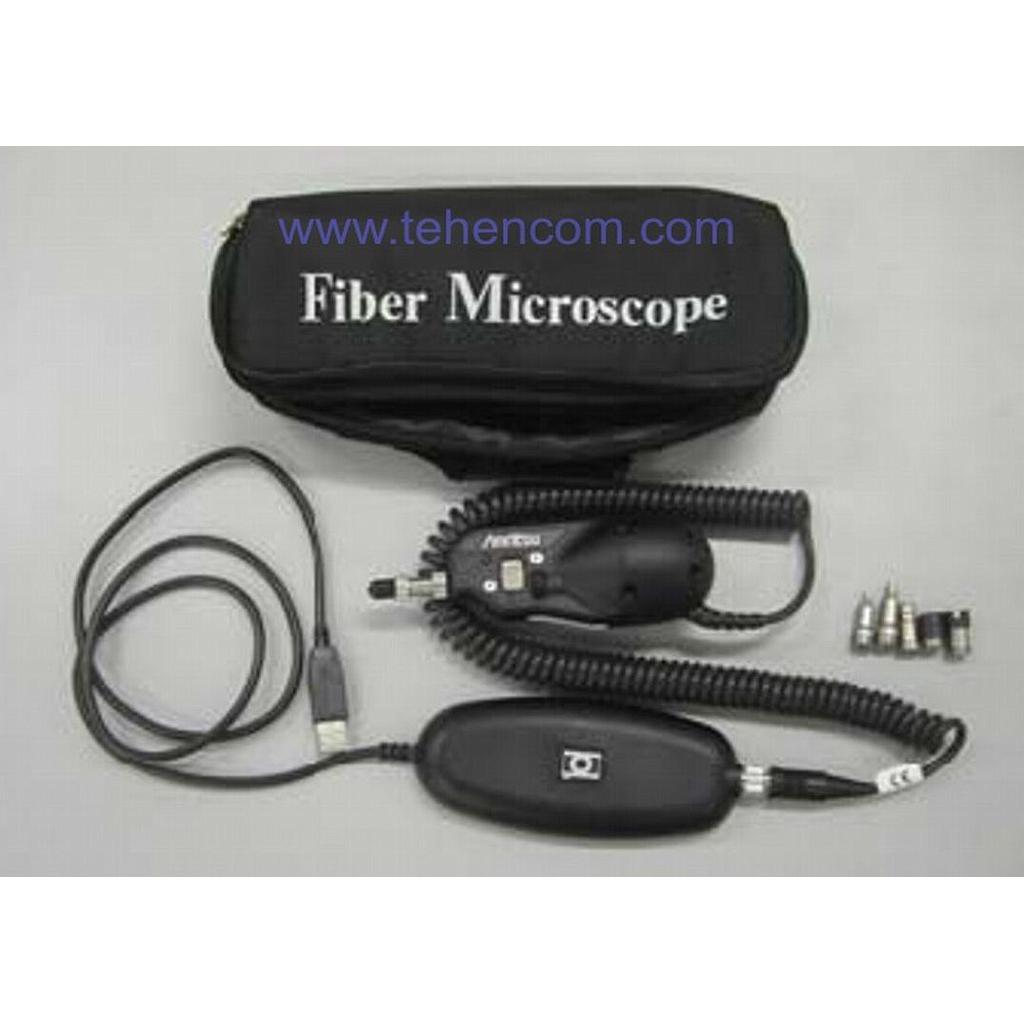
Preparation tools are equally important. Fiber cleavers such as the SUMITOMO FC-6R and FC-6 series are used to create clean, controlled fiber end faces before splicing. In service and quality assurance tasks, inspection devices such as the EXFO FIP-435B Fiber Inspection Scope help technicians identify contamination or defects that are difficult to detect visually but can still degrade network performance.
Together, these tools support installation teams working on single-fiber jobs as well as maintenance teams handling connectorized links, patching environments, and repair scenarios.
What to consider when choosing optical equipment
Selection should start with the actual operating environment. Field crews working outdoors or across multiple sites may prioritize compact form factor, battery-based operation, and durable construction. Bench or workshop use may place more emphasis on handling comfort, blade life, storage functions, or repeatability over long production runs.
Fiber type and task scope also matter. Some applications focus on single-fiber splicing, while others may need support for broader handling ranges or higher throughput. For cleavers, users often compare cleave consistency, blade replacement method, and supported fiber count. For splicers, alignment approach, splice cycle speed, heating cycle time, and result storage can all affect day-to-day productivity.
Inspection tools should be assessed in terms of image clarity, ease of use, portability, and how well they fit service workflows. In many organizations, connector inspection is not optional but part of a documented quality process, especially in data centers, telecom access networks, and high-availability industrial communication systems.
Representative equipment and how they are used
The Fujikura 99S Fusion Splicer is suited to users who need precise single-fiber splicing with advanced alignment and a feature set designed for demanding field work. It fits applications where splice quality, operational efficiency, and ease of handling in different environments are all relevant. The Fujikura 45S Fusion Splicer, by contrast, is often a practical option where compact size and lighter carrying weight are especially valuable.
On the fiber preparation side, SUMITOMO cleavers in the FC-6R and FC-6 families support accurate cleaving before splice operations. Models in this range cover both single-fiber handling and versions that support a wider fiber count, making them relevant for teams that work across varied installation tasks. Their role is straightforward but critical: poor cleaving can compromise the entire splice process even when the splicer itself is highly capable.
For inspection, the EXFO FIP-435B Fiber Inspection Scope helps technicians verify connector cleanliness and surface condition before mating or troubleshooting. This is especially important because contamination remains one of the most common causes of avoidable optical link issues. In practice, inspection tools are often used both before commissioning and during fault isolation.
Brands commonly selected for fiber installation and test
This category includes products associated with established names in optical test and fiber handling. SUMITOMO is widely recognized for cleaving tools used in splice preparation workflows, while Fujikura is well known in fusion splicing applications. EXFO is a familiar choice for inspection and optical test environments, particularly where portability and field service efficiency are important.
Depending on the project, buyers may also compare solutions from brands such as ANRITSU, Fluke Network, JDSU, and other manufacturers listed in this category. The best fit usually depends on service model, technician preference, maintenance practice, and how closely the equipment matches the organization’s standard operating procedures.
Typical application environments
Optical equipment is used across telecom access networks, enterprise backbones, campus infrastructure, data centers, utility communication systems, and industrial Ethernet deployments that rely on fiber links. In these settings, technicians may need to build new links, restore damaged cable, certify continuity, or inspect connector quality during planned maintenance.
The category is also relevant for integrators and service providers who manage mixed environments. A project may combine field splicing, connector inspection, and network troubleshooting within the same workflow. Having suitable equipment available for each stage helps reduce repeat visits and improves the consistency of installation outcomes.
Why process quality matters as much as the instrument itself
Even capable optical instruments deliver the best results only when they are used as part of a disciplined process. Clean fiber preparation, proper cleaving, contamination control, and correct handling practices all contribute to lower loss and fewer service issues later. For procurement teams, this means evaluating not just the device, but also how it supports technician training, maintenance routines, and daily field use.
A well-matched equipment set can improve speed without sacrificing accuracy. It can also help standardize work across teams, which is especially useful for contractors, multi-site operators, and organizations with strict quality requirements. In fiber projects, consistency is often the difference between a smooth commissioning process and recurring troubleshooting.
Choosing the right category for your next project
If your work involves building, repairing, or maintaining fiber links, this Optical Equipment category provides a practical starting point for comparing tools used in real deployment conditions. From fusion splicers to cleavers and inspection scopes, the selection supports the stages that most directly affect fiber quality and service reliability.
When narrowing down options, focus on the actual workflow: the fiber type being handled, the expected job volume, portability needs, and the level of inspection or splice control required. A clear understanding of those factors makes it easier to choose equipment that fits both the technical task and the way your team works in the field.
Types of Optical Equipment (1,314)
- Fiber optic accessories (7)
- Fiber ranger (10)
- Fiber tool (170)
- Fusion Splicer (90)
- Laser Source (123)
- Light source (28)
- Optical analyzer (27)
- Optical Attenuation Meter (58)
- Optical fault locator (43)
- Optical Fiber Identifier (27)
- Optical power meter (272)
- Optical spectrum analyzer (21)
- OTDR meter (415)
- PMD Polarization (23)
-
-
-
-
-
-
-
-
-
-
-
-
-
-
-
-
-
-
-
-
-
-
-
-