

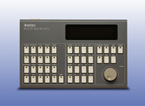
Remote BOX (Video)
In many video test environments, engineers need a simple way to switch signals, control measurement flow, and manage equipment without constantly reconnecting devices by hand. That is where a Remote BOX (Video) becomes useful. It helps streamline video analysis setups, reduce handling errors, and make repetitive test work more consistent in laboratories, broadcast support, manufacturing inspection, and service environments.
Why a Remote BOX matters in video measurement systems
Video testing often involves more than a single instrument. A typical setup may include a display path, source equipment, analysis tools, and accessories that support signal routing or remote operation. In these situations, a remote box serves as a practical interface layer between devices, helping users operate the system more efficiently and with less manual intervention.
This type of equipment is especially relevant when test procedures must be repeated under the same conditions. By simplifying control and connection tasks, a remote interface can improve workflow stability and help teams maintain more reliable test conditions over time.
Typical applications for Remote BOX devices
Remote boxes used in video environments are commonly selected for controlled bench testing, validation work, and repeatable inspection processes. They can support workflows where operators need to trigger functions, route tasks externally, or organize equipment access in a cleaner and safer way than direct manual switching.
They are also useful in environments where the main measuring instruments are installed in racks, enclosed benches, or shared technical spaces. In these cases, remote access improves usability and can reduce wear on connectors and front-panel controls, particularly when systems are used frequently by multiple operators.
How it fits into the broader video test ecosystem
A remote box is rarely used in isolation. In practice, it often complements instruments such as a video signal generator or an video analyzer. Together, these devices support test creation, signal verification, and operational control across a structured measurement workflow.
For example, one part of the setup may create the required test pattern or video format, while another verifies signal behavior and quality. The remote box adds convenience by supporting operational access around that setup, making the entire system easier to manage during routine testing, troubleshooting, or process validation.
What to consider when selecting a Remote BOX (Video)
Selection should begin with the actual structure of the test environment. Buyers typically need to consider how the remote box will be used within the bench or rack layout, what kind of control logic is needed, and how frequently users will interact with the system. The right choice depends less on broad marketing claims and more on how well the device supports the working method of the team.
It is also important to review compatibility at the system level. A remote box should make operation easier, not add unnecessary complexity. In many cases, the best fit is the one that integrates cleanly into existing measurement workflows and supports repeatable operation rather than simply adding another hardware element to the bench.
Benefits for engineering, QA, and service teams
For engineering teams, a remote box can make setup changes more manageable during development and verification work. For QA teams, it can support consistent test execution across repeated procedures. For service and support teams, it may help organize diagnostics in a way that is faster and less disruptive to surrounding equipment.
Another practical advantage is workflow clarity. When systems become more structured, operators can reduce accidental handling mistakes and spend less time on manual reconfiguration. In busy technical environments, that improvement in operational efficiency can make a noticeable difference.
Related equipment often reviewed alongside this category
Buyers evaluating remote control hardware for video applications often compare it with other supporting categories depending on the test objective. In some setups, cable integrity is just as important as the instrument itself, so a video cable tester may be relevant when diagnosing connection-related issues.
In image quality workflows, users may also review tools connected to assessment and reference tasks, such as a picture evaluation library. Looking at the surrounding toolchain often helps purchasers build a more complete and practical measurement environment instead of choosing equipment one item at a time.
Choosing with system use in mind
The most effective purchasing decisions usually come from understanding how people will actually use the equipment day to day. A Remote BOX (Video) is most valuable when it supports cleaner control, easier access, and a more organized test process across the wider video measurement setup.
If your application involves repeated testing, shared lab resources, or structured signal analysis workflows, this category is worth reviewing as part of the overall system design. A well-matched solution can help simplify operation, support better test discipline, and make the full video measurement environment easier to manage.
-
-
-
-
-
-
-
-
-
-
-
-
-
-
-
-
-
-
-
-
-
-
-
-