


Color Gamut Evaluation System (Video)
Accurate assessment of display color performance is essential when developing, validating, or comparing modern video equipment. In lab environments, broadcast workflows, panel manufacturing, and image quality evaluation, a Color Gamut Evaluation System (Video) helps teams examine how faithfully a device reproduces color spaces and how consistently it performs under controlled test conditions.
Rather than relying only on visual judgment, these systems support a more structured approach to color gamut evaluation, making it easier to review measurable differences between source signals, display response, and expected color targets. This is especially useful in applications where image quality, repeatability, and technical documentation matter.
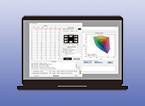
Why color gamut evaluation matters in video measurement
Color gamut is one of the core parameters used to describe the range of colors a display or video system can reproduce. In practice, evaluation is not only about whether a screen looks vivid, but whether it can reproduce defined color areas in a predictable and technically verifiable way. This becomes important during product development, incoming inspection, quality control, and comparative testing across multiple devices or panels.
Within a broader video measurement workflow, gamut evaluation is often used alongside luminance, contrast, gradation, and signal verification. Teams working on display modules, video electronics, or image processing systems typically need a method that reduces subjectivity and supports consistent reporting from one test cycle to the next.
Typical role of a color gamut evaluation system
A video color gamut evaluation system is generally used to analyze the relationship between an input video condition and the resulting displayed color reproduction. Depending on the setup, it may be part of a bench used for development testing, acceptance inspection, or image quality assessment in production and engineering environments.
Because color performance does not exist in isolation, evaluation is often coordinated with other tools in the same ecosystem. For example, users may combine gamut checks with a video signal generator to supply controlled test patterns, then review broader image behavior through an video analyzer when signal and display performance need to be examined together.
Common application scenarios
These systems are relevant wherever display color must be characterized with more than a simple pass/fail judgment. Engineering teams may use them when comparing prototype displays, checking panel consistency, or evaluating the effect of different image processing parameters. They are also useful during troubleshooting when a display appears visually acceptable but does not align with expected color space behavior.
In manufacturing and inspection contexts, a structured evaluation process helps identify drift, variation, or mismatch between units. In research and development, it supports clearer communication between hardware, firmware, and image quality teams by providing a shared basis for discussing measured color performance rather than relying only on subjective viewing impressions.
What to consider when selecting a system
Choosing the right platform depends on how the evaluation process fits into your actual workflow. Some users need a lab-oriented setup for deep analysis and comparison, while others prioritize repeatability and easier operation in routine inspection tasks. It is worth considering how the system will be used, what kind of displays or video paths are involved, and how results will be documented or reviewed internally.
Another practical point is system integration. If the evaluation process includes multiple test instruments, compatibility with surrounding equipment can simplify setup and improve efficiency. In some workflows, support tools such as a video cable tester may also be relevant, especially when engineers need to rule out signal path issues before attributing results to the display itself.
How it fits into a broader image quality workflow
Color gamut evaluation is only one part of complete display assessment, but it often provides a critical link between signal conditions and perceived image quality. A display may show acceptable brightness and stable operation while still missing target color coverage or exhibiting deviations that matter in professional use. This is why gamut-related checks are commonly reviewed together with other visual and analytical references.
For teams that need a more standardized reference framework, supporting resources such as a picture evaluation library can help place measured results in a more practical image-quality context. Combining measurement data with controlled visual references can be valuable when decisions involve both technical compliance and human viewing assessment.
Benefits for engineering, QA, and production teams
The main benefit of using a dedicated system is improved consistency in how color performance is reviewed and communicated. Instead of relying on ad hoc judgments, teams can build a repeatable method for comparing devices, recording changes, and identifying trends across prototypes or production lots. This is particularly helpful when multiple departments need to align on the same evaluation criteria.
For quality assurance, that means clearer acceptance standards and easier traceability. For development teams, it means faster feedback when adjusting display settings or image processing parameters. For production environments, it helps create a more reliable basis for screening and process control where color-related behavior is important to the finished product.
Choosing with the application in mind
Not every use case requires the same depth of analysis, so the best approach is to begin with the actual measurement objective. Some organizations need detailed evaluation for display development and benchmarking, while others need practical tools for routine verification of video output quality. Matching the system to the task helps avoid unnecessary complexity while still supporting meaningful results.
If your work involves display validation, image quality engineering, or video equipment testing, a well-matched video color evaluation setup can improve confidence in both technical results and decision-making. By placing color reproduction within a structured measurement process, it becomes easier to compare devices, investigate issues, and maintain consistent evaluation standards over time.
-
-
-
-
-
-
-
-
-
-
-
-
-
-
-
-
-
-
-
-
-
-
-
-