


Video Recorder
Reliable capture and playback are essential when teams need to review motion, verify events, document inspections, or preserve test footage for later analysis. In technical environments, a video recorder is not just a storage device; it is part of a broader workflow that supports monitoring, troubleshooting, quality checks, and visual documentation across industrial and laboratory settings.
Choosing the right solution depends on how video is created, how long it must be retained, and how it will be accessed afterward. Some users focus on stable recording for routine observation, while others need equipment that integrates smoothly with analysis, transfer, or high-resolution imaging systems.
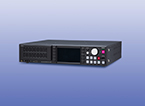
Where video recorders fit in technical workflows
In industrial, testing, and visual inspection environments, recording is often the link between real-time observation and later evaluation. A recorder makes it possible to capture process behavior, machine operation, inspection results, or experimental footage so that engineers and operators can revisit critical moments instead of relying only on live viewing.
This role becomes especially important when visual evidence must be reviewed by multiple stakeholders, compared over time, or archived for traceability. In many setups, the recorder works alongside cameras, transfer devices, and specialized processing equipment to create a practical video acquisition and review workflow.
Typical use cases for a video recorder
Video recorders are used in a wide range of scenarios where visual data needs to be preserved accurately and accessed efficiently. Common examples include production line observation, equipment behavior review, troubleshooting intermittent faults, training documentation, and controlled test recording.
They are also useful when teams need to coordinate recorded footage with other measurement or inspection activities. For example, a recorder may be part of a system that captures source footage from an imaging device and then passes material downstream for analysis, export, or image processing.
Key points to consider when selecting a recorder
The most suitable recorder depends on the recording environment and the intended use of the footage. Buyers typically evaluate factors such as signal compatibility, recording duration, playback convenience, storage handling, and how easily the unit can be integrated into an existing visual system.
It is also important to consider the broader equipment chain. If footage must move between devices, a related video transfer box may help streamline handoff and connectivity. If recording is tied to image review or post-processing, compatibility with upstream and downstream equipment should be checked early in the selection process.
How video recorders support review and analysis
Recording is valuable not only because it stores footage, but because it creates an opportunity for closer review. Teams can replay sequences, compare events, verify timing, and share the same visual reference during investigations or reporting. This improves consistency when decisions depend on what was actually seen during a test, inspection, or process run.
In more advanced workflows, recorded material may be examined together with other video tools. For applications involving image generation or conversion, users may also work with a rasterizer for video systems. Where temporary image retention or frame-level handling matters, related solutions such as frame memory boards can add another layer of functionality.
Integration with camera-based systems
A recorder is often selected as part of a complete imaging setup rather than as a standalone device. The characteristics of the source camera, expected image quality, and recording purpose all influence the final system design. In high-resolution environments, the recorder may need to support demanding data flows or be matched carefully to the imaging source.
For organizations building advanced visual platforms, it can be helpful to view recording in the context of the full camera chain, including options such as 8K camera systems. This wider perspective helps ensure that capture, storage, and playback are aligned with the actual level of detail required by the application.
Practical evaluation before purchase
Before choosing a video recorder, it is worth clarifying a few practical questions: What type of footage will be captured? Is the priority long-duration recording, event review, or documentation quality? Will the recorder be used by operators on the floor, engineers in a test area, or teams that need to export and share recordings across departments?
Answering these questions helps narrow the field and reduces the risk of selecting equipment that stores video successfully but does not fit the actual workflow. In B2B environments, ease of integration, operational reliability, and suitability for repeatable daily use often matter more than headline features alone.
Choosing the right category for your application
The right recorder depends on the job it needs to support, from straightforward visual documentation to more structured capture and review processes. Looking beyond storage alone and considering signal flow, playback needs, and surrounding equipment will usually lead to a more effective choice.
This Video Recorder category is intended for buyers comparing recording solutions within a larger video equipment ecosystem. If your project also involves capture hardware, image processing, or transfer devices, reviewing the related categories can help you build a system that is practical, scalable, and easier to manage over time.
-
-
-
-
-
-
-
-
-
-
-
-
-
-
-
-
-
-
-
-
-
-
-
-