


Converter (Video)
In video workflows, signal compatibility is often the difference between a smooth system integration and a costly bottleneck. Whether the task involves monitoring, recording, analysis, or display, the right video converter helps bridge different formats, interfaces, and signal standards so equipment can work together more reliably.
Converter (Video) products are commonly used in technical environments where multiple devices must exchange video signals without interrupting image quality or workflow continuity. This makes them relevant in test benches, broadcast support systems, inspection setups, control rooms, and other professional applications where stable signal handling matters.
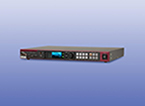
Why video conversion matters in professional systems
In many installations, source equipment and destination equipment do not share the same interface or signal structure. A converter is used to adapt one video signal into another form so that capture, analysis, storage, or display devices can operate within the same chain. This is especially useful when upgrading part of a system while keeping legacy hardware in service.
Beyond basic format matching, conversion can also support more consistent operation across mixed environments. In practice, this means reducing the need for improvised adapters and helping engineers build cleaner, more predictable signal paths across a wider video recording or monitoring setup.
Typical roles of a video converter
A converter can serve several functions depending on the application. In some cases, it is used to connect a source output to a display or downstream processor with a different input requirement. In others, it becomes part of a larger measurement or validation workflow where signals must be normalized before being sent to analysis equipment.
This category is particularly relevant where signal conversion is needed between devices from different generations or different parts of a video system. It can help support integration between acquisition hardware, display hardware, storage equipment, and specialized processing tools without requiring a complete redesign of the existing setup.
Where video converters are commonly used
Professional video converters appear in a wide range of technical environments. These include laboratory evaluation systems, broadcast support applications, industrial inspection stations, simulation environments, and visualization platforms where equipment interoperability is essential. In these situations, maintaining a usable and stable signal path is often more important than adding unnecessary system complexity.
Converters are also useful in workflows that involve high-resolution imaging or specialized capture hardware. For example, when working alongside devices such as an 8K camera, engineers may need supporting equipment that helps adapt outputs for downstream processing, monitoring, or archiving in a practical way.
How to choose the right converter
Selecting a suitable unit starts with understanding the input and output signal requirements of the full system. Buyers should confirm that the converter fits the source format, destination interface, and intended operating environment. It is also important to consider whether the unit will be used as a temporary integration tool, a permanent system component, or part of a repeatable test configuration.
Other practical considerations include installation footprint, connection layout, signal stability, and compatibility with adjacent equipment. When the converter is used near processing devices or signal generation tools, system-level planning becomes even more important. In broader workflows that include tools such as a video rasterizer, choosing the right converter can simplify downstream verification and image handling.
Converters within a broader video equipment ecosystem
Although a converter is often a supporting device rather than the headline component in a system, its role can be critical. It helps connect equipment that was not originally designed to operate together, allowing teams to preserve existing assets while extending system flexibility. This is especially valuable in professional environments where hardware refresh cycles are staggered over time.
Converters also fit naturally into workflows that involve buffering, analysis, and signal management. In some setups, converted outputs may be routed to processing or storage hardware; in others, they may support intermediate stages before data is passed into tools such as a frame memory board for further handling.
What buyers should evaluate before ordering
For B2B procurement, the most useful starting point is a clear map of the signal path. Identify what the source device provides, what the target device accepts, and whether the converter needs to support continuous operation in a production environment or controlled use in a test setup. This helps narrow down options more effectively than comparing products in isolation.
It is also helpful to think about future expansion. If the video chain may later include additional routing, transfer, capture, or analysis stages, selecting a converter that fits the wider architecture can reduce rework. A well-matched converter supports cleaner integration, easier maintenance, and more dependable long-term operation.
Supporting stable integration across mixed video systems
When different video devices must work together, conversion is often a practical requirement rather than an optional accessory. The right category selection can help engineers and technical buyers find products that support compatibility, simplify system design, and keep workflows operational across mixed interfaces and evolving infrastructure.
If you are building or expanding a professional video setup, this Converter (Video) category is a useful place to compare solutions designed for signal adaptation within larger technical systems. Reviewing the full signal chain before selection will usually lead to a more efficient and reliable result.
-
-
-
-
-
-
-
-
-
-
-
-
-
-
-
-
-
-
-
-
-
-
-
-