


Zoology equipment
Work in animal science, veterinary teaching, and laboratory handling often depends on equipment that supports controlled procedures, safe transfer, and reliable observation. In these settings, choosing the right tools is less about broad general-purpose lab hardware and more about matching the workspace to the way animals, samples, and personnel interact during routine and sensitive tasks.
Zoology equipment in this category is aimed at biological and research environments where cleanliness, access, and operator protection matter. The range represented here is especially relevant for animal transfer workflows, cage changing applications, and special procedures that benefit from enclosed or semi-open stations designed for practical use in teaching and research facilities.
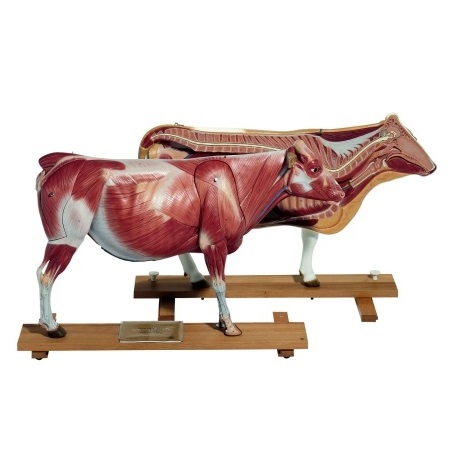
Where this equipment fits in zoology and animal handling workflows
In zoology-related environments, equipment selection is closely tied to how specimens or animals are handled, observed, and transferred. Universities, teaching labs, vivarium support areas, and biological research facilities often need workstations that help maintain an organized process while reducing unnecessary exposure during routine handling.
This is why procedure stations and open access transfer stations are relevant within the broader zoology equipment landscape. They can support tasks such as animal transfer, cage changing, and specialized procedures performed under a controlled workspace. For laboratories that also support adjacent disciplines, it may be useful to explore related tools in cell biology equipment when workflows extend beyond animal-focused applications.
Procedure stations and transfer stations in this category
A practical theme across the listed products is the use of procedure stations and open access stations for defined biological tasks. These systems are not interchangeable with every type of laboratory enclosure, but they are well suited for users who need convenient working access combined with a workspace intended for special procedures or animal transfer operations.
Examples from Labconco include the PuriCare Procedure Stations and PuriCare Open Access Stations. Models such as the Labconco 312420051 and Labconco 312520051 represent enclosed procedure station formats in 4' and 5' widths, while the Labconco 3820024 and Labconco 3820034 are transfer stations intended for cage changing and animal transfer applications.
Common configuration differences to consider
Even within a focused category, workstation configuration can vary in ways that affect day-to-day use. The products shown here include different nominal widths such as 4', 5', and 6', as well as sash opening options like 10" and 12". Those details influence usable access, operator ergonomics, and how comfortably the station fits a specific room layout or handling procedure.
Some versions also include built-in features such as UV light, LED lighting, hose tip valves, or cord and cable pass-throughs, while other models are intentionally simpler. For example, the Labconco 312611051 and 312621051 include UV light and service fixtures, whereas models like the Labconco 312610051 or 312620051 are configured without those added built-in options. A required supporting base is also noted for the procedure station models, which is an important point when planning installation.
How to choose the right station for your application
The best starting point is to define the actual task rather than focusing only on dimensions. If the workflow centers on special procedures, a procedure station with the right sash opening, lighting, and service fixture arrangement may be the better fit. If the main need is cage changing or animal transfer, an open access station may align more naturally with the application.
It also helps to compare available utilities and operating conditions. In this selection, several units are configured for 230V, 50/60 Hz operation with British (UK) plug formats, and some transfer station versions specify alternative plug details. Compliance references such as CE, NSF 49, UL 61010, CAN/CSA C22.2, ADA, or UL are listed on individual products, so buyers can review model-specific suitability based on facility standards and procurement requirements.
Why workspace size and access matter in zoology labs
In biological and animal-focused work, the usable opening and cabinet width can affect much more than convenience. They can influence handling posture, placement of accessories, the ability to work with cages or instruments, and how comfortably two-handed procedures are carried out. A compact 4' unit may suit limited rooms or lower-throughput tasks, while 5' and 6' formats can offer more working space for broader procedures.
Differences in service fixtures also matter. A model with one or two fixtures may support workflows that require added utility access, while a version without service fixtures may be more appropriate where simplicity, cleaning access, or a narrower process scope is preferred. These are small configuration differences on paper, but they can make a meaningful difference in daily operation.
Brand context and related laboratory ecosystems
The featured product examples in this category are strongly associated with Labconco, while the broader manufacturer context also includes ESCO. For buyers comparing zoology lab setups, manufacturer pages can be useful for reviewing related biological workstation lines, especially when standardization across multiple rooms or departments is important.
Zoology facilities are also rarely isolated from other biological disciplines. Teaching and research organizations often maintain overlapping infrastructure for animal science, environmental studies, and life science instruction. If your procurement scope extends into field observation, habitat analysis, or environmental teaching tools, related options in Ecology & Environment Equipment may provide useful context.
What to review before ordering
Before selecting a model, it is worth checking a few operational points in detail: required installation footprint, electrical compatibility, sash opening preference, service fixture needs, and whether UV or pass-through features are actually required for the intended procedure. This helps avoid over-specifying a station or choosing a format that does not match the real workflow.
It is also good practice to confirm whether the station will be used in teaching, routine animal handling, transfer operations, or specialized procedures. That simple distinction usually narrows the options quickly and makes product comparisons more practical than sorting by width alone.
Final considerations
Choosing zoology equipment is ultimately about supporting safe, organized, and efficient biological work. Within this category, procedure stations and transfer stations provide a focused set of options for facilities that handle animal-related tasks, specialized procedures, and controlled workstation activities.
By comparing workspace size, access style, built-in options, and intended application, buyers can narrow the range to equipment that fits both the room and the workflow. If you are building out a broader biological teaching or research environment, this category serves as a useful starting point for selecting equipment that supports practical zoology and animal handling needs.
-
-
-
-
-
-
-
-
-
-
-
-
-
-
-
-
-
-
-
-
-
-
-
-