


Refrigerant gas detector, air conditioner
When cooling performance drops, refrigerant charge is not the only thing to check. A small leak can reduce efficiency, increase compressor stress, and create safety concerns in enclosed spaces, especially when modern refrigerants are involved. That is why a refrigerant gas detector is a standard tool for HVAC service, air-conditioner maintenance, and refrigeration troubleshooting.
On this page, you can find handheld instruments designed to detect common refrigerants used in air-conditioning systems, from legacy gases such as R22 to widely used options like R134a, R404A, R410A, and newer refrigerants including R1234yf and R32. The category also includes both classic leak detectors and selected refrigerant analyzers or identifiers for applications where gas type and purity verification matter.
Why refrigerant leak detection matters in HVAC service
In practical maintenance work, refrigerant loss often begins at brazed joints, valve cores, flare connections, evaporator coils, or concealed pipe sections. These leaks may be too small to spot visually, yet large enough to reduce cooling capacity over time. Relying only on odor or pressure loss can be misleading, especially with refrigerants that have little or no noticeable smell.
A dedicated detector helps technicians trace the leak location more precisely, including in tight spaces around indoor units, condensers, and line sets. Used together with HVAC manifolds and gauges, it supports a more complete diagnostic process rather than guessing and recharging the system without fixing the root cause.
Typical instruments available in this category
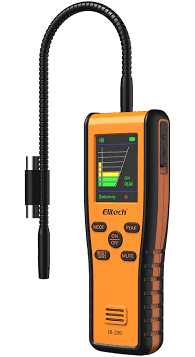
This category is centered on portable devices for finding leaks in air-conditioning and refrigeration systems. Most models use a flexible probe so the sensor can reach difficult areas behind piping, insulation, or equipment panels. Audible and visual alarms are common because they help the operator follow changes in gas concentration while moving along the refrigerant circuit.
Several products illustrate the range of use cases. The Sauermann Si-RD3 Refrigerant Leak Detector is positioned for broad refrigerant coverage with a flexible probe and LED-based indication. The TESTO 316-3 Refrigerant Leak Detector and TESTO 316-4 Set 1 are examples of handheld service tools designed for common CFC, HCFC, and HFC applications, while the INFICON Tek-Mate Refrigerant Leak Detector is suited to technicians who need high sensitivity and support for flammable refrigerants.
For workflows that go beyond leak finding, this category also includes refrigerant identifiers and analyzers. Neutronics Mini ID units are intended for quick confirmation of specific refrigerants such as R-1234yf or R-134a, while LEGEND analyzers from Neutronics and Bacharach support deeper verification of refrigerant composition and contamination status.
Common refrigerants and service scenarios
Air-conditioning and refrigeration systems in the field often involve a mix of refrigerant generations. Service teams may encounter R22 in older installations, R134a in various cooling applications, and R404A or R507 in commercial refrigeration. Split and packaged air-conditioning systems frequently use R410A, while newer equipment may involve R32 or automotive-related R1234yf.
Because of this variety, choosing a detector should start with the refrigerants you expect to encounter most often. Some leak detectors in this category are built for broad compatibility across CFC, HCFC, and HFC families, while others additionally support hydrogen trace gas methods or flammable refrigerants. If your workflow includes vehicle A/C or refrigerant verification before recovery, a dedicated refrigerant identifier or analyzer may be more appropriate than a standard leak detector alone.
What to consider when selecting a refrigerant gas detector
The right instrument depends on service environment, refrigerant type, and how small a leak you need to locate. Sensitivity is one of the first factors to review, particularly for preventive maintenance or systems where even minor loss affects performance. Fast response time and stable behavior during scanning also matter when checking long pipe runs or multiple joints in sequence.
Probe design is equally important. A flexible gooseneck or sensor tube helps reach evaporator sections, service ports, and hidden routing paths without disassembling too much of the unit. Battery life, warm-up time, alarm style, and enclosure durability become more relevant for mobile field service where the detector may be used repeatedly throughout the day.
Standards can also guide selection. Some models listed here reference EN 14624, SAE J1627, or SAE J2912 depending on whether the device is intended for leak detection or refrigerant analysis. For technicians handling automotive refrigerants or compliance-sensitive workflows, that can be a useful indicator when comparing suitable options.
Examples from leading manufacturers
TESTO is a familiar choice for HVAC technicians who want portable instruments for everyday refrigerant leak checking. The 316-series is widely aligned with routine maintenance tasks where quick startup, compact handling, and audible/visual indication are important.
INFICON is often associated with leak detection performance in refrigeration and A/C service, including applications involving small leaks and modern refrigerants. The Tek-Mate model is a useful example for users who want a handheld detector with a flexible probe and clear alarm feedback.
Neutronics addresses a different but related need: identifying refrigerant type and checking purity before service procedures continue. That is especially relevant when mixed or contaminated refrigerants could affect recovery, charging, or system reliability. Bacharach and PCE also contribute to the category with instruments oriented toward refrigerant analysis and portable leak detection.
How these tools fit into a complete HVAC workflow
Leak detection is usually one step in a wider service sequence. Technicians may begin with electrical inspection, pressure checks, operating condition review, and performance symptoms, then use a detector to narrow down the exact leak point. After repair, the system may require evacuation, recovery, recharge, and confirmation that the issue has been eliminated.
For that reason, refrigerant detectors are often used alongside refrigerant recovery equipment and other service instruments. In many cases, supporting tools from electrical refrigeration tools are also part of the same job, particularly when diagnosing compressor operation, fan circuits, sensors, or control issues that may appear together with cooling complaints.
Leak detector or refrigerant analyzer: which one do you need?
A leak detector is used to find where refrigerant is escaping from the system. It helps locate joints, coils, valves, and sections of piping where gas concentration rises. This is the typical choice for installation, maintenance, and repair teams working on split A/C, rooftop units, commercial refrigeration, or cold-room systems.
A refrigerant analyzer or identifier serves a different purpose. It confirms the gas type, checks composition, or flags contamination before charging or recovery. This becomes especially useful when refrigerant quality, system history, or cylinder contents are uncertain. If your service process includes both finding leaks and validating the refrigerant itself, using both tool types can make the workflow more reliable.
Choosing with confidence
This category brings together practical options for technicians working with air conditioners and refrigeration systems, from everyday handheld leak detectors to more specialized analyzers for refrigerant verification. Whether the priority is broad refrigerant compatibility, higher sensitivity, support for newer gases, or analyzer functions for R-1234yf and R-134a, the best choice depends on the actual service task and the refrigerants in use.
Review the intended application, the refrigerants you work with most often, and the workflow around detection, repair, and recovery. With the right tool in hand, leak diagnosis becomes faster, more accurate, and easier to integrate into professional HVAC maintenance.
-
-
-
-
-
-
-
-
-
-
-
-
-
-
-
-
-
-
-
-
-
-
-
-