


Steel Structure Analyzer
Assessing the condition of ferromagnetic steel components often requires more than a simple visual check. In fabrication, maintenance, and structural inspection, engineers need reliable data about material state, magnetic behavior, and consistency across critical parts. This is where a Steel Structure Analyzer becomes useful, especially when evaluating steel elements in production environments, workshops, and field applications.
Within material testing workflows, this category supports users who need practical instruments for checking steel properties quickly and with repeatable results. It is particularly relevant where magnetic methods help verify the condition of structural steel, welded parts, or other ferromagnetic components without moving samples to a laboratory.
Where steel structure analyzers are used
These instruments are commonly applied in sectors where steel integrity assessment is part of quality control or maintenance planning. Typical use cases include checking fabricated structures, inspecting steel components before installation, and evaluating changes that may occur after heat treatment, mechanical loading, or long-term service.
In practice, users may work with bridges, industrial frames, welded assemblies, pipelines, tanks, or machinery components. A portable analyzer helps technicians collect on-site information without interrupting operations more than necessary, which is valuable in both construction-related inspection and industrial asset management.
What this category is intended to measure
A steel structure analyzer is generally selected when magnetic properties provide insight into the condition of a ferromagnetic material. Depending on the instrument, this may include coercive force measurement, current-related readings, coded measurement modes, and calibration support. These functions can help users compare parts, monitor process consistency, or identify material deviations that deserve further investigation.
For many buyers, the key advantage is not just measurement itself, but the ability to build a practical inspection routine around it. When used alongside complementary methods such as ultrasonic pulse velocity testing or surface screening tools, magnetic analysis can contribute to a more complete understanding of structural condition.
Example instrument in this category
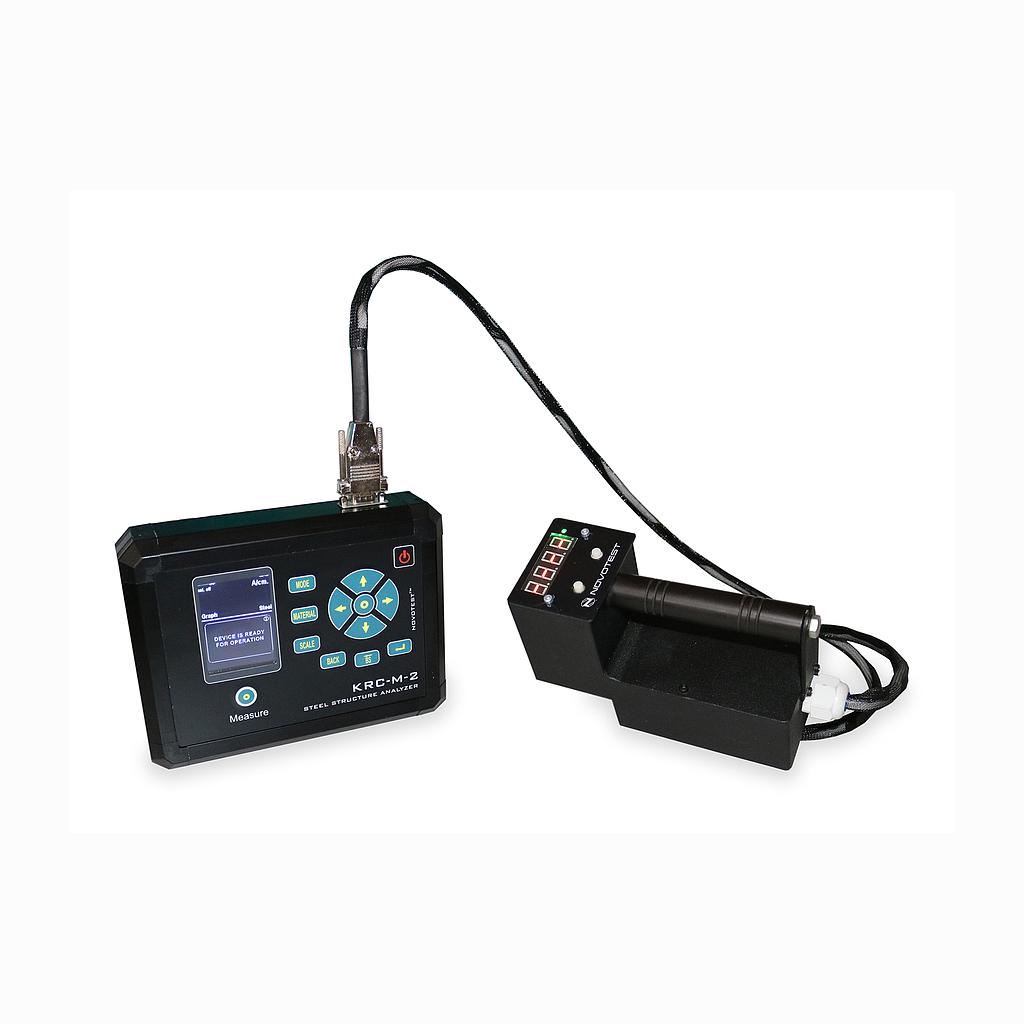
A representative product in this range is the NOVOTEST KRC-M2 Steel Structure Analyzer. Based on the available product data, it supports standard operating modes including coercive force measurement, current measurement, unit-based code measurement, and additional calibration scales. Its measurement cycle is designed for quick checks, making it suitable for routine inspections where multiple points need to be assessed within a limited timeframe.
The device is also built as a portable solution with a separate electronic unit and probe, battery operation, and PC connection capability. For users who need field mobility plus basic data handling, this kind of setup can be practical for inspection teams working across fabrication shops, construction sites, or maintenance locations.
How to choose the right analyzer for your work
Selection should begin with the inspection objective. Some users need a tool for comparative checks during manufacturing, while others need a device for periodic structural assessment in service. The right choice depends on the material type being tested, the accessibility of the inspection area, the level of portability required, and whether results need to be transferred to a computer for documentation.
It is also important to consider workflow. If your broader inspection process includes locating reinforcement before drilling or scanning embedded steel in concrete, a cover meter and rebar detector may be relevant in parallel applications. By contrast, a steel structure analyzer is more focused on evaluating ferromagnetic steel components themselves rather than locating hidden reinforcement.
Benefits of portable magnetic analysis in the field
One of the main reasons buyers look for this category is the balance between speed and practicality. Portable analyzers can support non-destructive evaluation workflows by reducing the need for destructive sampling or sending parts away for laboratory review. This is especially useful when checking large structures or installed components that are difficult to remove.
Another advantage is repeatability in routine inspection programs. When teams need to compare measurements over time, a dedicated analyzer can help establish consistent checkpoints and support maintenance decisions with measurable data instead of subjective observation alone.
Manufacturer focus: NOVOTEST
For this category, NOVOTEST is the primary featured manufacturer in the current product context. The brand is associated with portable testing and inspection equipment used across industrial and material testing tasks, making it relevant for users who want instruments intended for real-world field work rather than purely laboratory setups.
When reviewing available models, it is worth looking beyond the product name and checking how the instrument fits your inspection method, data recording needs, and operator workflow. That approach usually leads to a better long-term choice than comparing instruments on a single headline specification.
How this category fits into a broader inspection workflow
Steel assessment is often only one part of a larger testing process. Depending on the structure and material system, engineers may combine magnetic analysis with concrete rebound testing, reinforcement location, permeability evaluation, or corrosion-related checks. For example, when deterioration of embedded metallic elements is a concern, rebar corrosion detection tools may support adjacent inspection needs.
Choosing the right category depends on what you are trying to verify: material condition, embedded reinforcement position, internal wave transmission, or corrosion risk. A steel structure analyzer is most relevant when the target is the magnetic and condition-related behavior of ferromagnetic steel components accessible for direct measurement.
Final considerations before ordering
Before selecting an instrument, it helps to define the steel grades involved, the expected inspection frequency, and whether measurements are intended for acceptance checks, maintenance trending, or comparative analysis between components. Thinking through those points in advance makes it easier to narrow down the most suitable device for your application.
This category is intended for buyers who need a practical way to evaluate steel components with magnetic measurement methods in the field or in production settings. If your work involves routine structural checks, fabrication quality control, or condition-based maintenance, a suitable analyzer can become an efficient part of your testing toolkit.
-
-
-
-
-
-
-
-
-
-
-
-
-
-
-
-
-
-
-
-
-
-
-
-