


Truck Scale Repair Service
When a vehicle weighing system starts showing unstable readings, delayed response, or repeated zero drift, the impact can spread quickly across receiving, shipping, production control, and commercial transactions. In heavy-duty weighing environments, timely maintenance and troubleshooting are essential to keep operations moving and to reduce the risk of inaccurate load data. Truck Scale Repair Service is intended for facilities that rely on dependable vehicle weighing and need a practical path to restore performance.
Whether the issue involves mechanical wear, indicator behavior, signal instability, or communication between components, repair work should focus on finding the actual cause rather than only correcting the visible symptom. This category helps buyers and maintenance teams identify relevant service support for truck scales used in industrial plants, logistics yards, agricultural sites, waste handling operations, and other demanding weighing applications.
What this service category is intended to support
A truck scale is part of a broader weighing system, not just a platform. Reliable operation depends on the condition of load cells, junction boxes, cabling, indicators, power supply, structural alignment, and the surrounding installation environment. A repair service in this category is therefore relevant when the scale no longer performs consistently, cannot be used confidently in routine operation, or shows signs of component degradation.
Typical service needs may include diagnosing erratic measurements, addressing overload-related damage, checking signal paths, inspecting mounting hardware, or restoring communication between the scale and connected electronics. For organizations using CAS weighing equipment, this category can also help narrow down repair support for systems associated with that manufacturer.
Common issues that lead to truck scale repair
Vehicle scales work under heavy mechanical stress and are exposed to dust, moisture, vibration, temperature changes, and repeated loading cycles. Over time, these conditions can affect both structural and electronic parts of the system. A scale may still power on and produce readings while no longer meeting the level of consistency needed for routine industrial use.
Some of the most common reasons companies seek repair include unstable weight display, inaccurate or drifting results, intermittent signal loss, damaged cables, indicator faults, or load cell-related problems. In other cases, the issue may come from poor grounding, water ingress, corrosion in connection points, or impact damage around the platform and support areas. Proper troubleshooting helps separate instrument faults from installation or environmental causes.
Why accurate diagnosis matters in heavy-duty weighing
Truck scale faults are not always obvious. A reading error can originate from one failed component, but it can also result from several smaller issues acting together. For that reason, effective service starts with a structured inspection of the system rather than immediate part replacement.
This is especially important in sites where weighing data supports inventory control, inbound and outbound verification, transport documentation, or internal production tracking. In these environments, measurement reliability affects both operational decisions and record quality. A repair approach that identifies root cause helps reduce repeat service calls and supports more stable long-term operation.
Example service option in this category
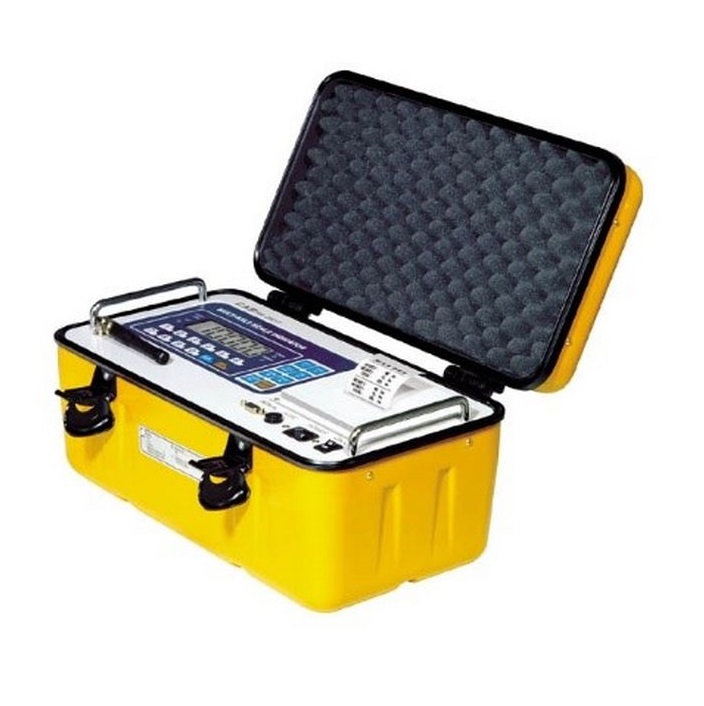
One representative listing in this category is the CAS Electronic Truck Scale Repair Service. This type of service is relevant for users looking for support around electronic truck weighing systems, especially where diagnosis and restoration of scale performance are the main priority.
When evaluating a service listing, buyers typically look for fit with the installed equipment, the type of fault observed on site, and whether the service need is primarily electrical, signal-related, or mechanical. Even when the visible issue appears simple, truck scale systems often benefit from a broader check of connected components so that the repair addresses the full weighing chain.
How to choose the right repair path
Selecting a suitable service starts with documenting the problem clearly. It helps to note whether the scale shows repeatability issues, display instability, communication faults, or weighing errors only under certain loading conditions. Information about the operating environment, recent overload events, moisture exposure, or previous repairs can also make diagnosis more efficient.
Buyers should also consider the scale type, usage frequency, and whether the system is integrated with plant software, printers, indicators, or traffic control accessories. If your facility operates multiple weighing systems, it may be useful to compare related support options such as floor scale repair services for warehouse platforms or crane scale repair services for suspended load applications.
Where truck scale repair is commonly needed
This service category is relevant across industries where vehicles are weighed as part of routine material flow. Typical use cases include logistics and freight sites, cement and construction materials handling, scrap and recycling yards, agricultural collection points, mining support operations, ports, and manufacturing plants with inbound raw material control.
In these settings, truck scales often operate continuously and under rough site conditions. Because of that, maintenance teams usually prioritize services that can help restore uptime, stabilize readings, and reduce weighing interruptions. A clear repair scope is especially valuable when the scale is part of a larger workflow that depends on fast vehicle throughput.
Supporting long-term scale performance
Repair is often the immediate need, but long-term performance depends on how the system is used and maintained after service. Regular visual checks, attention to drainage and cleanliness, cable protection, and prompt investigation of unusual readings can help prevent small issues from becoming larger failures. For truck scales in harsh environments, these basic practices can make a noticeable difference.
It is also useful to review whether recurring faults point to environmental stress, mechanical loading patterns, or aging electronic components. A repair service can restore function, but understanding why the problem occurred helps improve reliability over time and supports better planning for future maintenance.
Final considerations
Heavy-duty weighing systems play a direct role in operational accuracy, site efficiency, and day-to-day material control. Choosing the right repair service means looking beyond the symptom and focusing on the full weighing system, from platform condition to electronics and signal integrity.
If your truck scale is showing inconsistent performance or downtime is affecting site workflow, this category provides a focused starting point for evaluating suitable service options. With the right diagnosis and a repair approach matched to the installed system, facilities can work toward more dependable weighing results and smoother operation.
-
-
-
-
-
-
-
-
-
-
-
-
-
-
-
-
-
-
-
-
-
-
-
-