


Crane Scale Repair Service
When a crane scale starts giving unstable readings, slow response, or visible mechanical wear, the issue affects more than measurement accuracy. In lifting, loading, and warehouse handling environments, unreliable weighing can interrupt workflow, create verification problems, and make routine operations harder to manage. A professional Crane Scale Repair Service helps restore dependable performance so weighing equipment can continue to support daily industrial tasks with confidence.
This service category is relevant for suspended weighing applications used in logistics, production, material handling, and receiving operations. Whether the problem involves load indication, display behavior, mechanical stress from regular use, or general performance degradation over time, repair work should focus on returning the scale to stable and practical operating condition.
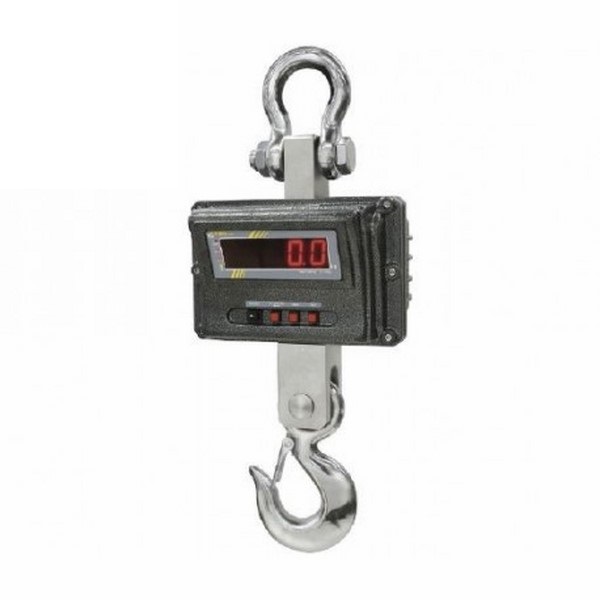
Why crane scale repair matters in industrial weighing
A crane scale works in demanding conditions. Unlike bench or floor-mounted systems, it is typically exposed to repeated lifting cycles, movement, vibration, and harsh operating environments. Over time, these factors can affect both the mechanical structure and the electronic measuring components, leading to inconsistent readings or operational faults.
Timely repair is often a practical option when the equipment still fits the application but no longer performs as expected. Instead of replacing the entire unit immediately, repair can help extend usable service life, reduce downtime, and preserve continuity in established weighing processes. For operations that also use other weighing systems, related support may be needed for floor scale repair or other specialized service categories.
Common issues addressed by a crane scale repair service
The most common repair needs usually relate to measurement stability, display problems, or wear caused by repeated handling. Users may notice drifting values, difficulty returning to zero, intermittent operation, or readings that no longer match expected load conditions. In some cases, external damage to the housing, hook area, or suspension points may also require inspection.
Repair service may also be relevant when a scale powers on but does not weigh correctly, responds slowly during use, or behaves inconsistently across multiple lifting cycles. Because crane scales combine mechanical load transfer with electronic signal processing, troubleshooting should consider both sides of the system rather than treating the issue as a simple display fault.
Repair support for major crane scale brands
This category includes service examples related to manufacturers such as CAS, KERN, and SAUTER. Brand familiarity matters because service work often depends on understanding the design logic, intended application range, and typical wear patterns of different crane scale models.
Representative service items in this category include Cas Crane Scale Repair Service, Kern Crane Scale Repair Service, and Sauter Spring Balance Repair Service. These examples help illustrate the scope of support available across suspended and force-related weighing equipment. While each product line may differ, the overall goal remains the same: restore reliable weighing behavior for industrial use without overstating what repair alone can solve.
How to evaluate whether repair is the right option
Not every weighing problem has the same cause, so it is important to assess the symptoms before deciding on repair. If the scale has a history of stable performance and the problem appeared gradually, repair is often worth considering. This is especially true when the equipment still suits the required capacity and operating environment, and when only certain functions appear affected.
Users should also consider the role of the equipment within the broader process. If the crane scale is part of routine incoming goods control, batching, or load verification, restoring function quickly may be more valuable than changing to a different device. For operations with stricter low-capacity weighing needs, it may also be useful to review options for precision scale repair service in parallel with suspended weighing support.
What a professional repair process should focus on
A proper service approach should begin with a clear diagnosis of the fault rather than assumptions based only on visible symptoms. In crane scales, apparent weighing errors can be linked to electronic components, load transmission issues, user interface faults, or mechanical stress accumulated during lifting operations. A structured repair process helps identify the true source of the problem before corrective work is carried out.
Equally important is post-repair functional verification. After corrective work, the equipment should be checked for consistent operation, readable indication, and stable response under expected use conditions. In industrial environments, repeatability and practical reliability are often just as important as the initial restoration itself.
Choosing service based on application and equipment type
Crane scales are only one part of a broader weighing ecosystem. Facilities often use multiple device types for different tasks, from suspended load handling to laboratory-style measurement and moisture-related product control. That is why repair selection should be tied to the actual equipment in use rather than treated as a generic weighing service request.
If your operation includes specialized devices beyond crane scales, adjacent service categories may offer a better fit for those instruments. For example, facilities working with sample-based material evaluation may also need moisture analyzer repair service for related testing workflows. This kind of category-based selection helps route each device to the most suitable support path.
When to arrange repair before failure becomes critical
Many weighing problems do not begin as complete failures. The first signs are often small: unstable zero, occasional display interruptions, slower measurement response, or readings that require repeated checks. Addressing these symptoms early can help prevent larger disruptions, especially where lifting equipment and weighing functions are used continuously throughout the day.
Early repair planning is also useful for reducing unexpected downtime in busy industrial environments. When the scale is important to shipping, receiving, or internal material transfer, waiting for complete failure can create operational delays that are harder to absorb than a scheduled service intervention.
Support more reliable suspended weighing operations
A well-matched crane scale repair service helps maintain dependable weighing performance in applications where suspended loads are part of everyday work. From diagnosing unstable readings to restoring usable operation on equipment from brands such as CAS, KERN, and SAUTER, the focus should remain on practical function, realistic service scope, and suitability for the actual process.
If your crane scale is showing signs of wear, inconsistent indication, or general performance decline, reviewing the right repair category is a sensible next step. Clear service selection makes it easier to align the equipment issue with the proper support path and keep industrial weighing operations running more smoothly.
-
-
-
-
-
-
-
-
-
-
-
-
-
-
-
-
-
-
-
-
-
-
-
-