


Analyzer Scale Repair Service
When a laboratory balance or analyzer scale starts drifting, showing unstable readings, or failing routine checks, the impact goes far beyond a single measurement. In quality control, research, formulation, and inspection workflows, even small weighing errors can affect batch consistency, reporting accuracy, and day-to-day productivity. That is why Analyzer Scale Repair Service should focus not only on fixing a fault, but also on restoring reliable weighing performance for the actual application.
This service category is intended for organizations that rely on sensitive weighing equipment and need practical support for diagnosis, repair, and performance recovery. It is relevant for analytical and laboratory-style scales used in environments where repeatability, stability, and dependable operation matter.
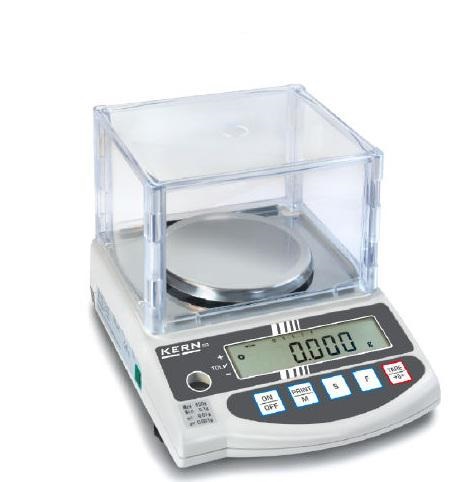
Why analyzer scale repair matters in technical environments
Analyzer scales are commonly used where fine mass measurement supports testing, formulation, incoming inspection, and documentation. In these settings, a malfunction is not always obvious at first. A scale may still power on and display a value, yet produce inconsistent readings, slow stabilization, or errors that make results difficult to trust.
Professional repair helps address these issues before they create larger problems in production or laboratory workflows. It is also a practical option when equipment remains suitable for the process but needs corrective service to return to normal operation.
Typical issues addressed by analyzer scale repair service
The most common service needs include unstable measurement behavior, display or keypad faults, calibration-related deviations, environmental sensitivity, and general wear from long-term use. In many cases, users notice symptoms such as drifting values, repeated error messages, poor repeatability, or difficulty reaching a stable reading.
A proper repair process usually begins with fault diagnosis rather than part replacement by guesswork. This is especially important for sensitive weighing instruments, where the source of the problem may relate to internal components, electrical behavior, mechanical alignment, or operating conditions around the scale.
Support for major analyzer and laboratory balance brands
This category includes repair support for widely used brands such as Mettler Toledo, CAS, KERN, OHAUS, YOKE, and Benchmark. These manufacturers are commonly found across industrial labs, educational facilities, testing rooms, and quality departments, so service demand often covers a broad range of equipment conditions and usage histories.
Representative service listings in this category include Mettler Toledo Analytical Balance Repair Service, Yoke Analytical Balance Repair Service, Benchmark Analytical Balance Repair Service, Kern Precision balance Repair Service, Ohaus Analytical Balance Repair Service, and Cas Digital Analytical Balance Repair Service. These examples help illustrate the scope of supported equipment without turning the page into a simple product list.
How to choose the right repair path
The right service approach depends on the scale type, the severity of the fault, and the role of the equipment in your workflow. For example, a balance used for highly sensitive laboratory work may require more careful evaluation of stability and weighing behavior, while a general-purpose digital unit may be assessed with a stronger focus on functionality and usability.
If your equipment is closer to a lab or benchtop weighing system, you may also want to review precision scale repair services for related service coverage. Where the equipment is used for moisture determination rather than standard weighing, moisture analyzer repair service may be the more relevant category.
Repair service as part of a broader weighing equipment ecosystem
Analyzer scales are only one part of a larger weighing infrastructure. Many facilities use multiple device types across receiving, production, warehousing, and laboratory areas. Because of that, repair planning often benefits from looking at the full equipment mix rather than treating each instrument in isolation.
For sites that also maintain larger weighing systems, it can be useful to compare service requirements with floor scale repair service or other scale repair categories. This kind of internal alignment helps maintenance teams organize service priorities according to process risk, equipment criticality, and downtime impact.
When repair is a practical option
Repair is often worth considering when the equipment still fits the application, replacement lead times are inconvenient, or the fault appears limited to a specific functional issue. In technical B2B environments, this can be especially relevant when a scale is already integrated into an established SOP, workstation, or validation routine.
A service request is usually more effective when it includes a clear description of the symptom, operating environment, frequency of use, and whether the problem is constant or intermittent. That information can help narrow the diagnosis and improve turnaround efficiency.
Examples of brand-specific service coverage
Different organizations standardize on different brands, and repair demand often follows installed equipment across sites. For example, users working with OHAUS or KERN units may be looking for support that aligns with routine laboratory weighing tasks, while facilities using YOKE, Benchmark, or CAS equipment may need service tailored to their own operating patterns and device condition.
Where brand continuity matters for maintenance planning, browsing the relevant manufacturer pages such as OHAUS can help users explore related equipment and service context. The main goal, however, remains the same across brands: restore dependable operation and reduce disruption to measurement-dependent work.
What to consider before requesting service
Before sending an analyzer scale for repair, it is helpful to review the exact symptom, the installation surface, environmental influences, and any recent changes in handling or location. Sensitive weighing devices can be affected by vibration, drafts, contamination, leveling issues, and operator handling, so these factors should be ruled out alongside internal faults.
It is also useful to check whether the service need relates specifically to an analyzer-style balance, a precision balance, or another weighing platform entirely. Choosing the correct service category helps ensure the request matches the equipment type and the expected service process.
Choosing a service category that matches your equipment
Analyzer Scale Repair Service is most relevant when the device is used for sensitive weighing, laboratory-style analysis, or fine measurement tasks that require stable and trustworthy results. The category gives buyers and maintenance teams a focused path for identifying suitable repair support without navigating unrelated scale types.
If your organization operates multiple weighing systems across different departments, selecting the correct repair category from the start can save time and improve service coordination. A well-matched repair request makes it easier to restore instrument performance, support ongoing quality requirements, and keep weighing processes running with confidence.
-
-
-
-
-
-
-
-
-
-
-
-
-
-
-
-
-
-
-
-
-
-
-
-