


Lightning Arrester Tester Repair Service
Accurate assessment of surge protection devices depends on a tester that remains stable, repeatable, and electrically safe in field and laboratory conditions. When a unit begins showing inconsistent readings, charging abnormalities, display errors, or connection faults, timely Lightning Arrester Tester Repair Service helps restore dependable performance and reduces the risk of incorrect maintenance decisions.
Repair work for this type of instrument is especially important in utilities, industrial plants, substations, and maintenance organizations where arrester condition data supports asset reliability. A properly serviced tester can help teams continue evaluating insulation-related behavior, leakage characteristics, and overall device condition with greater confidence.
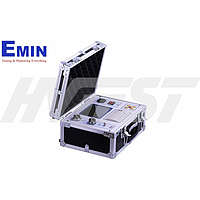
Why repair matters for lightning arrester testers
Lightning arrester testers are used in demanding environments where temperature variation, transportation, dust, moisture, and repeated connection cycles can affect the instrument over time. Even when damage is not immediately visible, small issues in the measurement circuit, power section, interface, or leads may lead to drift, unstable output, or unreliable test sequences.
Professional repair focuses on returning the instrument to proper operating condition so it can support maintenance teams during inspection and troubleshooting work. For organizations that rely on periodic electrical testing, restoring an existing tester is often a practical step toward maintaining workflow continuity and protecting previous investment in equipment.
Common issues seen in service requests
In this category, service needs often relate to symptoms rather than a single obvious failure. Examples include units that fail to power on, batteries that do not charge correctly, displays that become unreadable, buttons or selectors that stop responding, or readings that fluctuate even under similar test conditions.
Other cases involve damaged test ports, communication problems, loose internal connections, or faults that appear only after warm-up or during transport. Because these instruments support electrical condition testing, even minor irregularities should be reviewed before the tester is returned to routine use.
What a repair service typically addresses
A structured repair process generally begins with fault identification, followed by inspection of the instrument’s electrical and mechanical condition. This may include checking the power supply path, display and control functions, test signal stability, connector integrity, charging behavior, and internal assemblies associated with measurement performance.
Depending on the condition of the unit, repair may involve component-level correction, replacement of worn or damaged parts, restoration of terminal or interface reliability, and functional verification after service. The main objective is to recover measurement reliability and operational safety rather than simply making the instrument turn on again.
When to send a tester for repair
Service is worth considering whenever the tester shows repeatability problems, abnormal startup behavior, visible physical damage, or inconsistent results compared with previous inspection records. Maintenance teams should also act when connectors feel loose, charging time changes unexpectedly, or field operation becomes intermittent.
It is often beneficial to arrange repair before peak maintenance periods, especially when the instrument is used for scheduled outage work or regular arrester inspection programs. Early intervention can help prevent larger failures and reduce unplanned downtime in testing operations.
Related repair needs in electrical test equipment
Organizations that maintain lightning arrester testers often manage a wider fleet of electrical instruments at the same time. Depending on the application, related service needs may include withstand voltage test repair service for insulation test equipment or cable fault tester support for field fault location tools.
In broader maintenance programs, companies may also require low resistance meter repair for continuity and contact checks, or breaker testing equipment repair for switchgear-related diagnostics. Looking at these categories together can make service planning more efficient across the full test equipment inventory.
How to choose the right repair support
For B2B users, a good repair pathway should be able to evaluate the reported symptom clearly, confirm the instrument’s operating condition after service, and communicate findings in a practical way. This is particularly important for testers used in regulated maintenance environments or in facilities where test results influence safety and equipment decisions.
It is also useful to prepare basic information before sending a unit in: observed fault symptoms, operating conditions, accessories involved, and whether the issue is constant or intermittent. That context can help speed up diagnosis and improve the accuracy of the repair process.
Supporting long-term equipment reliability
Repair should be viewed as part of a broader equipment care strategy rather than an isolated response to failure. Proper handling, controlled storage, routine visual inspection, and attention to lead and connector condition can all help extend service life between major maintenance events.
For teams responsible for electrical asset testing, keeping a lightning arrester tester in sound working order supports more dependable field decisions and smoother maintenance scheduling. If your instrument is showing performance issues or has suffered damage in transit or use, a focused repair service is a practical way to return it to reliable operation.
-
-
-
-
-
-
-
-
-
-
-
-
-
-
-
-
-
-
-
-
-
-
-
-