


Insulating Materials Tester Repair Service
When insulation test equipment starts giving unstable readings, failing self-checks, or drifting away from expected values, the impact goes beyond a single instrument fault. In quality control, electrical safety verification, and materials evaluation, unreliable test results can slow production, create uncertainty in compliance work, and make troubleshooting much harder. A professional Insulating Materials Tester Repair Service helps restore measurement confidence and keeps critical testing workflows moving.
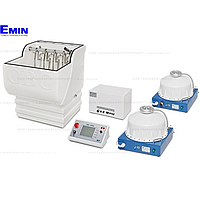
Why repair quality matters for insulating materials testers
Insulating materials testers are used where electrical insulation performance must be evaluated with consistency and traceability. These instruments often support inspection routines for research labs, production environments, maintenance teams, and product validation processes. Even small faults in the measurement path, display, switching section, or internal power circuitry can lead to incorrect interpretation of insulation behavior.
Repair work is not just about making the unit power on again. In many cases, the real objective is to recover stable operation, dependable repeatability, and safe use under normal testing conditions. That is especially important when the instrument is part of a broader electrical test process that may also involve related services such as withstand voltage test repair support.
Common issues seen in insulation testing equipment
Symptoms can appear gradually or suddenly depending on how the equipment is used, stored, and transported. Some users notice erratic values, failed startup routines, intermittent output behavior, control panel problems, or communication errors with connected systems. In other cases, the tester still operates but no longer behaves consistently across repeated measurements.
Service evaluation typically starts by identifying whether the problem is linked to the measurement circuit, power supply section, internal switching components, connectors, display interface, or environmental wear. This step matters because similar symptoms can come from very different root causes. A proper repair process should focus on restoring functionality while reducing the risk of recurring faults.
Typical repair workflow and service scope
A structured repair process usually begins with fault inspection and functional diagnosis. The goal is to confirm the failure mode, isolate damaged or degraded sections, and determine whether the issue affects core testing performance, user controls, or overall safety. From there, repair may involve component-level work, replacement of worn parts where appropriate, internal cleaning, connection checks, and operational verification.
For instruments used in demanding environments, post-repair testing is just as important as the physical fix itself. The equipment should be checked for stable operation under normal use conditions so users can return it to service with a clearer understanding of its working status. If your maintenance program includes multiple electrical testers, it may also be useful to review related services such as low resistance meter repair for continuity across your inspection equipment.
When to send an insulating materials tester for repair
Not every problem begins with a complete failure. In many cases, early warning signs appear first: slower startup, unstable readings, occasional display issues, unusual operating noise, inconsistent test response, or behavior that depends on temperature or warm-up time. Sending the unit for service at this stage can help prevent more serious faults and reduce total downtime.
Repair is also worth considering after long storage periods, accidental mechanical shock, exposure to unsuitable environments, or repeated field use. If the instrument plays a role in safety-related testing, it is wise to act quickly when performance becomes uncertain rather than continuing to rely on doubtful results.
How to choose the right repair service
For B2B users, selecting a repair provider is usually about more than basic troubleshooting. The service should match the operational importance of the equipment, the complexity of the fault, and the need for dependable follow-up verification. A good evaluation starts with clear fault symptoms, usage history, and any known operating issues observed by technicians or operators.
It also helps to work with a provider familiar with the broader ecosystem of electrical testing instruments, because insulation-related problems are sometimes identified alongside failures in adjacent test equipment. Organizations managing several test platforms may benefit from coordinated support across services such as breaker testing equipment repair or cable fault tester repair, depending on the application environment.
Applications that depend on reliable insulation material testing
This type of repair service is relevant wherever insulation materials must be checked as part of product quality, maintenance, or engineering validation. That can include industrial manufacturing, electrical component inspection, laboratory evaluation, maintenance departments, and technical service teams working with high-reliability electrical systems.
Because insulation testing often supports pass/fail decisions, trend analysis, or further engineering review, instrument condition has a direct effect on confidence in the data. A tester that operates inconsistently can create unnecessary retesting, delay root-cause analysis, and complicate documentation. Restoring a unit to proper working condition helps protect both workflow efficiency and the integrity of the testing process.
Preparing equipment for service
Before sending a unit in for repair, it is useful to document the observed fault as clearly as possible. Include when the problem occurs, whether it is constant or intermittent, and any visible signs such as damaged connectors, unusual display behavior, or startup errors. If available, note the operating environment and whether the issue appeared after transport, storage, or extended use.
Clear service information can reduce diagnosis time and help the repair process move more efficiently. For organizations with internal maintenance records, attaching basic fault history or previous service notes can also support more accurate troubleshooting and help identify recurring patterns.
Restore dependable test performance with a service-focused approach
Reliable insulation test equipment supports better decision-making in production, maintenance, and technical verification work. When an instrument begins to behave unpredictably, timely repair is often the most practical way to recover usability and reduce disruption across the wider testing process.
This category is intended for businesses that need a professional path to assess faults, restore operation, and return insulating materials testers to service with greater confidence. If your facility depends on electrical test instruments as part of everyday inspection or validation, a structured repair service can be an important step in maintaining stable and trustworthy test performance.
-
-
-
-
-
-
-
-
-
-
-
-
-
-
-
-
-
-
-
-
-
-
-
-