


Capacity - Flow Measurement
In industrial utilities, process lines, laboratories, and service operations, reliable measurement is what turns assumptions into control. When the task involves tracking liquid volume, verifying dosing accuracy, checking transfer quantities, or confirming flow behavior in a system, Capacity - Flow Measurement becomes a practical part of day-to-day quality, maintenance, and compliance work.
This category supports applications where engineers, technicians, and purchasing teams need equipment or services related to measuring how much fluid is stored, delivered, or moving through a process. Depending on the operating environment, that can mean checking batch consistency, validating instrument performance, troubleshooting unstable readings, or supporting calibration workflows across production and utility systems.
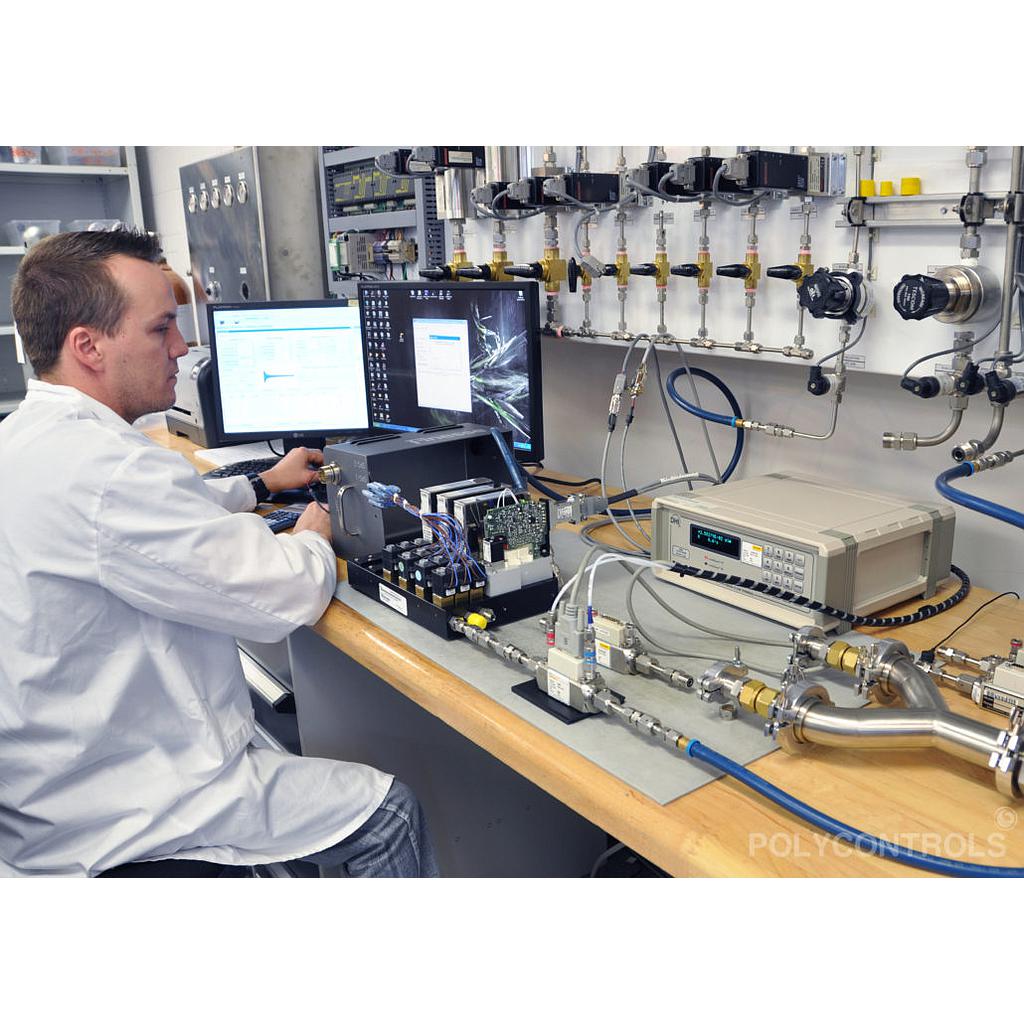
Where capacity and flow measurement are used
Volume and flow are core variables in many industrial processes. They affect material balance, water and chemical consumption, filling operations, cooling circuits, energy systems, and fluid transfer between tanks, lines, and process units. Even small deviations can lead to waste, product variation, or unnecessary downtime.
In practice, measurement needs can vary widely. Some users need to verify the output of a pump or dosing system, while others need to confirm the flow performance of a line under operating conditions. In service and maintenance environments, these measurements also help identify blockage, leakage, drift, or unstable process conditions before they become larger operational problems.
Typical measurement needs in this category
This category generally relates to equipment and service requirements for assessing capacity and flow rate in fluid systems. Capacity measurement may be relevant when checking contained or transferred volume, while flow measurement focuses on how quickly a fluid moves through a line or process over time. Both are essential for process verification and traceable measurement routines.
Users often approach this category with different goals: routine inspection, instrument comparison, calibration support, incoming quality checks, or troubleshooting in the field. The right solution depends on the medium, operating range, required accuracy, installation conditions, and whether the measurement is performed in a lab, workshop, or live process environment.
Key selection factors for industrial users
Choosing the right solution starts with the application, not just the instrument type. Buyers typically need to consider the fluid involved, expected operating range, pressure conditions, installation space, and the level of repeatability required. For example, a verification task in a controlled environment may have very different requirements from measurement work carried out on an active production line.
It is also important to define whether the priority is process monitoring, calibration reference, maintenance diagnostics, or acceptance testing. A clear measurement objective helps narrow down the most suitable approach and avoids over-specifying equipment that may add cost without improving the result.
For facilities that manage multiple measurement disciplines, it can also be helpful to review related categories such as pressure measurement or length measurement when building a broader inspection or calibration workflow.
Why measurement quality matters in process control
Accurate flow and capacity data support more than simple record-keeping. They influence process stability, material usage, utility efficiency, and the consistency of final output. In sectors where dosing, transfer, or circulation performance matters, poor measurement quality can affect both production results and decision-making.
Consistent measurement practice also improves traceability. Whether the goal is internal quality control or support for formal inspection and calibration routines, dependable results make it easier to compare trends over time, verify corrective actions, and maintain confidence in process instruments used across the plant or service environment.
How this category fits into a wider measurement system
Capacity and flow work rarely stand alone. In many applications, these measurements are interpreted together with pressure, mass, optical inspection, or surface-related checks depending on the process being evaluated. That is why users often look across multiple categories when planning maintenance, metrology, or equipment procurement.
For example, flow behavior in a system may need to be reviewed alongside mass measurement in batching applications, or with optical measurement where visual inspection is part of the same quality workflow. Looking at the full measurement chain usually leads to better equipment choices and more useful inspection results.
What B2B buyers should prepare before selecting a solution
To shorten evaluation time, it helps to gather a few practical details before requesting support or comparing options. Useful inputs include the fluid type, expected flow range, operating temperature and pressure, installation environment, required level of accuracy, and whether the task is permanent monitoring or periodic verification.
It is equally useful to identify site constraints such as pipe size, available connection points, portability needs, or the requirement to work without interrupting production. When those details are clear, technical teams can assess suitability more efficiently and match the measurement approach to the actual operating conditions.
- Define what must be measured: stored volume, transferred quantity, or line flow.
- Clarify whether the priority is monitoring, testing, calibration support, or troubleshooting.
- Note the process conditions and any space or installation limitations.
- Consider how results will be recorded, compared, or used in maintenance decisions.
Supporting dependable inspection and calibration workflows
In industrial and laboratory environments, measurement is most valuable when it is repeatable and usable in real operating conditions. A well-chosen capacity or flow solution helps teams reduce uncertainty, improve consistency, and make better decisions around maintenance, process setup, and quality control.
As requirements become more specific, the best choice is usually the one that aligns with the application, the environment, and the level of confidence needed from the result. This category is designed to support that selection process by focusing on practical measurement needs related to fluid quantity and flow performance.
-
-
-
-
-
-
-
-
-
-
-
-
-
-
-
-
-
-
-
-
-
-
-
-