


Magnesium meter
Reliable magnesium measurement matters when water quality has to be controlled rather than estimated. In laboratories, treatment systems, aquaculture, and process monitoring, magnesium is often evaluated as part of hardness testing, scale control, and overall mineral balance. The right instrument depends on whether you need a quick field result, a portable photometric reading, or a reagent-based routine for repeated testing.
This category brings together Magnesium meter options and related consumables used for magnesium hardness analysis in liquid samples. The range includes compact checkers, portable photometers, reagent sets, and test kits suited to different concentration ranges and operating environments.
Where magnesium measurement is used
Magnesium is a naturally occurring ion in many water sources and process liquids. It is commonly assessed alongside calcium because both contribute to total hardness and can affect scaling, treatment efficiency, and product quality. In some applications, the objective is not only to know the magnesium level itself, but also to distinguish magnesium hardness from total hardness for more informed process decisions.
Typical use cases include raw water checks, boiler and cooling water control, wastewater monitoring, aquaculture, and specialized saltwater testing. For users working with broader chemical routines, reagent availability is just as important as the instrument, especially when the testing program involves repeated measurements over time.
Common measurement formats in this category
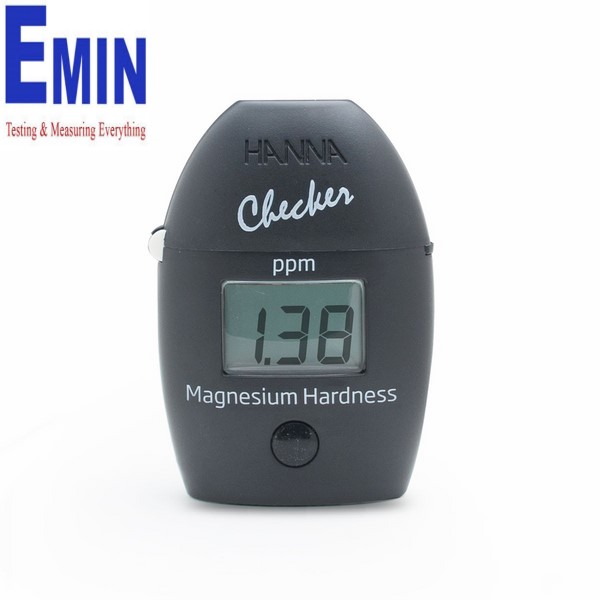
The products in this category reflect several practical testing approaches. A handheld checker such as the Hanna HI719 Magnesium Hardness Checker is suitable for quick photometric checks in a compact format, while a more advanced portable option like the HANNA HI97719C Magnesium Hardness Photometer Kit supports users who need a wider instrument feature set, clearer display, and data logging convenience.
Reagent products also play a central role. Items such as HANNA HI937520-01, HI937520-03, and HI93719-03 are intended to support ongoing magnesium or magnesium-and-hardness testing workflows rather than act as stand-alone meters. For teams comparing different wet-chemistry methods or maintaining a wider consumables stock, it can also be helpful to review related reagent categories for adjacent testing needs.
How photometric magnesium testing works
Many magnesium instruments in this selection use a colorimetric method. In practical terms, a reagent is added to the sample, a color reaction develops, and the meter reads the light absorbed or transmitted through the cuvette. This approach is widely used because it offers repeatable results in a portable format and reduces the subjectivity that can occur with purely visual interpretation.
Within the listed products, magnesium testing is associated with methods adapted from recognized water examination procedures, including EDTA colorimetric and calmagite-based reactions depending on the product. That distinction matters when selecting reagents and replacement consumables, since compatibility between the instrument and the chemistry must be maintained for valid results.
Choosing the right magnesium meter for your application
A practical starting point is the required measurement range. Low-range testing is relevant when magnesium hardness must be tracked precisely in treated water or controlled systems, while higher ranges may be more appropriate in mineral-rich or saltwater samples. For example, the HI719 checker is aimed at low-range magnesium hardness measurement, whereas the HANNA HI783 is positioned for magnesium measurement in salt water at a much higher range.
Next, consider workflow and frequency of use. A compact checker may be the better fit for quick spot checks and mobile use, while a portable photometer kit is often preferred for more structured field work or maintenance routines. If your process already depends on regular consumable replacement, it is worth planning around reagent pack size as well, since some options are supplied for 50, 150, or 300 tests.
Users dealing with ion-specific analysis in a broader water testing program may also compare magnesium testing with other methods such as ion measurement electrodes, depending on the parameter, method preference, and maintenance expectations.
Examples of instruments and kits in this selection
HANNA is the main manufacturer represented in this category, with products covering both instruments and matching reagents. The HI719 checker is a compact option for low-range magnesium hardness readings, while the HI97719C photometer kit is better aligned with users who want a more full-featured portable platform with cuvette-based measurement and accessories for routine operation.
For saltwater applications, the HANNA HI783 is relevant where magnesium concentration is significantly higher than standard low-range hardness testing. On the kit side, the Aqualabo 1KM004 magnesium kit offers a manual test format that may suit users who prefer a simpler field method or need an alternative testing approach for specific routines. Aqualabo is also available as a dedicated manufacturer option for buyers comparing brand ecosystems.
The role of reagents and consumables in magnesium analysis
In this category, several top products are consumables rather than instruments, which reflects how magnesium testing is managed in real operations. A meter is only one part of the workflow; compatible reagents, clean cuvettes, and good sample handling have a direct impact on repeatability and day-to-day usability.
Products such as HANNA HI937520-01 and HI937520-03 support magnesium testing at higher mg/L ranges, while HI93719-03 is intended for magnesium and total hardness workflows. When planning procurement, it is useful to check not only the reading range of the device but also the available reagent formats, expected test volume, and whether your team needs starter kits or larger refill quantities.
Points to review before ordering
Before selecting a magnesium meter, confirm the sample type, expected concentration range, and whether results need to be expressed in ppm, mg/L, or hardness-related units. In many industrial and environmental settings, the difference between fresh water and salt water applications is critical, as a low-range hardness checker and a high-range saltwater magnesium tester are not interchangeable.
It is also worth reviewing portability, battery operation, included accessories, and the practical testing steps required by the method. If multiple operators will use the device, a simpler workflow may improve consistency. If the instrument will be used in routine field service, the availability of matched reagents and replacement consumables should be part of the decision from the start.
Finding the right fit for routine water testing
The best choice in this category depends less on headline features and more on how the instrument will be used in the field or lab. Some users need a compact magnesium checker for occasional verification, while others need a photometer-and-reagent workflow that supports frequent testing and documented results.
By comparing range, method, sample type, and consumable support, buyers can narrow the selection to magnesium testing tools that match their actual operating conditions. This category is designed to help you evaluate those options clearly, whether your priority is low-range hardness control, saltwater magnesium measurement, or maintaining a reliable supply of compatible reagents.
-
-
-
-
-
-
-
-
-
-
-
-
-
-
-
-
-
-
-
-
-
-
-
-