


Hydrogen Meter
When dissolved hydrogen needs to be checked quickly and with practical field portability, buyers usually look for an instrument that is easy to handle, sensitive enough for low-level readings, and suitable for routine liquid testing workflows. In this context, a Hydrogen Meter is used to evaluate dissolved hydrogen in liquids for monitoring, quality checks, and application-specific testing where stable measurement matters.
This category is relevant for users who need compact measuring tools rather than broad laboratory systems. It is especially useful in environments where direct on-site verification is preferred over sending samples away for analysis, helping technical teams make faster decisions during inspection, research, or process control.
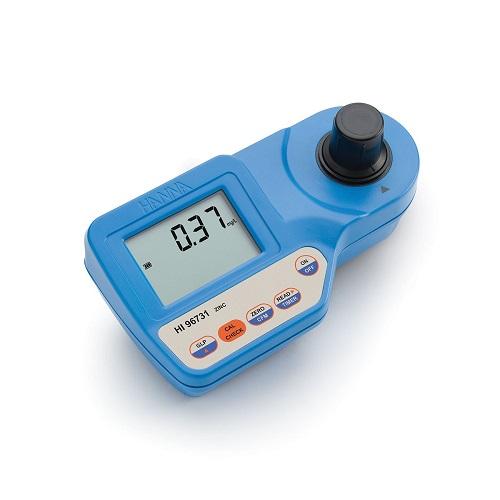
What this category is used for
Hydrogen meters in liquid testing are designed to measure dissolved hydrogen concentration in water or other applicable liquids. This type of measurement can be relevant in product evaluation, water-related studies, laboratory support tasks, and selected industrial or technical applications where dissolved gas content is a meaningful parameter.
Compared with broader water quality tools, this category focuses on a more specific measurement target. That makes device selection less about covering many parameters at once and more about choosing the right measuring principle, reading range, sensitivity, and ease of use for the actual sample conditions.
Portable measurement for routine checks and field work
A portable instrument is often the preferred choice when operators need to move between sampling points or verify conditions without a bench setup. Handheld devices can reduce preparation time and simplify repetitive spot checks, especially where measurements are taken in small batches or at different locations during the day.
One representative option in this category is the Trustlex ENH-2000 Portable Dissolved Hydrogen Meter. Based on the provided product data, it measures dissolved hydrogen in liquids using a hydrogen reduction method, with a range of 0 to 3000 ppb/L and 1 ppb detection resolution. This makes it suitable for users who need a compact tool for low-level dissolved hydrogen checks rather than a large multi-parameter system.
Key points to consider when choosing a hydrogen meter
The first selection factor is the measurement range. Buyers should match the device range to the expected concentration in their process or sample type. If the target concentration is relatively low, sensitivity and detection capability become especially important, because a wide range alone does not guarantee practical usefulness for low-level readings.
The second factor is the measurement method and how it fits the workflow. In practice, users should also consider portability, sample handling, startup time, maintenance requirements, and what accessories are included. For teams that perform repeat checks in the field, practical details such as size, battery operation, protective storage, and sensor care can make a measurable difference in daily use.
Where these instruments fit within liquid testing workflows
Dissolved hydrogen measurement is usually not an isolated activity. It often sits alongside other testing steps used to understand liquid condition, compare samples, or verify treatment outcomes. Depending on the task, users may combine hydrogen measurement with consumables, basic screening tools, or other parameter-specific instruments to build a more complete test routine.
For example, some workflows may also involve test paper for quick preliminary checks, while others may need supporting chemicals and consumables from other reagents categories. These tools do not replace a dedicated hydrogen meter, but they can support broader sample evaluation and day-to-day testing efficiency.
Brand example in this category
Among the currently highlighted manufacturers, Trustlex is the primary brand represented in this category context. For buyers, that is useful because it gives a clearer starting point when comparing available models, support items, and intended use cases within a focused product range.
Rather than choosing by brand name alone, it is better to review how each available model aligns with expected sample conditions and operating habits. In a specialized category like this, the practical value often comes from the right balance of sensitivity, handling convenience, and consistent measurement performance.
Practical buying considerations for technical teams
Before purchasing, it is worth clarifying who will use the instrument and how often it will be deployed. A meter used occasionally for verification may be selected differently from one used every day for routine inspection. Frequency of use affects priorities such as durability, ease of cleaning, included accessories, and how quickly new staff can be trained to use the device correctly.
It is also helpful to think about sample conditions and reporting needs. If results will be used for comparison over time, consistency in operating procedure is as important as the meter itself. Stable sampling, proper sensor care, and suitable storage practices all contribute to more dependable dissolved hydrogen readings.
Related measurement categories for broader analysis
Some users looking at hydrogen measurement may also be working with more specialized liquid analysis tools for other sample types or parameters. If your workflow extends beyond dissolved hydrogen alone, related categories such as ion measurement electrodes can be relevant when ion-specific testing is part of the same evaluation process.
This broader view is often important in B2B procurement. Instead of treating each instrument as a standalone item, many buyers build a connected testing setup that covers screening, verification, and parameter-specific measurement based on actual operational requirements.
Conclusion
This category is best suited to buyers who need a focused instrument for dissolved hydrogen measurement in liquids, especially in portable or routine testing scenarios. The main selection priorities are usually range, detection capability, handling convenience, and how well the instrument fits the real sampling workflow.
If your application calls for fast liquid checks with a compact device, reviewing the available hydrogen meter options and their operating characteristics is the most practical way to narrow down the right choice. A well-matched meter helps make daily testing more consistent, more efficient, and easier to manage in the field or in technical support environments.
-
-
-
-
-
-
-
-
-
-
-
-
-
-
-
-
-
-
-
-
-
-
-
-