


Domestic Ion Measurement Electrode
Accurate ion analysis depends on more than a meter alone. In routine water testing, laboratory control, and field verification, the right electrode and supporting solutions have a direct impact on stability, response time, and confidence in the result. This category focuses on Domestic Ion Measurement Electrode products used for ion-selective measurement workflows, including electrodes, standards, ionic strength adjusters, and related accessories.
Whether you are measuring ammonia, lead, sulfate, or working with broader ion concentration testing, the goal is the same: obtain repeatable readings under controlled conditions. For users comparing sensor types, portable meters, and consumables, this page brings together core items that support practical ion measurement in water and liquid testing applications.
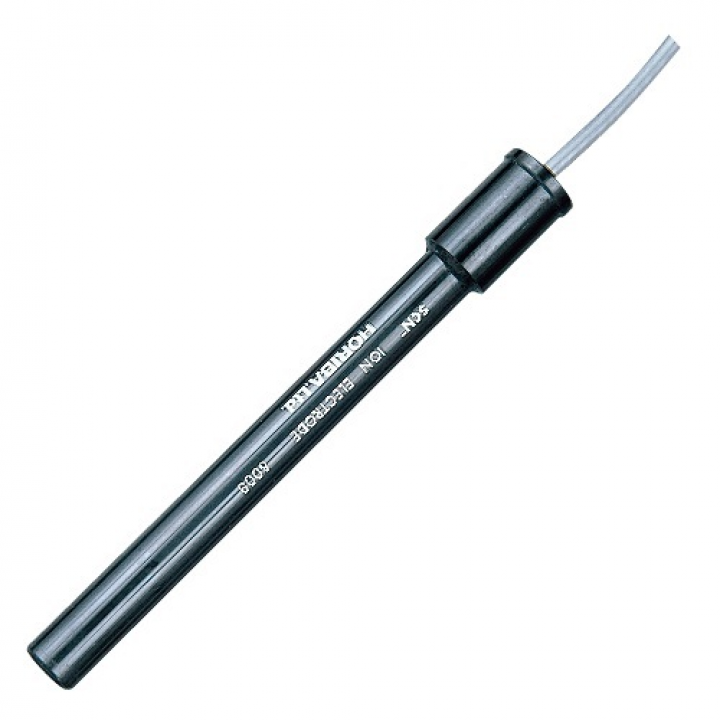
Where ion measurement electrodes fit in liquid analysis
Ion-selective measurement is commonly used when a specific dissolved ion must be monitored without relying on a broader aggregate parameter alone. In practice, this approach is useful for environmental water checks, process liquid control, sample preparation in laboratories, and verification work where concentration trends matter.
An ion measurement setup often includes the electrode itself, a compatible meter, calibration standards, and conditioning or sample adjustment solutions. If you also need consumables for sample preparation or support chemistry, it may be useful to review other reagents for liquid testing alongside electrode products.
Typical products in this category
This category is relevant not only for replacement electrodes, but also for the supporting items required to keep measurements consistent. Examples from the current range include the HANNA HI4101 ammonia combination ion-selective electrode and the HANNA HI4012 lead/sulfate half-cell ion-selective electrode, both representing application-focused electrode options for targeted ion analysis.
Supporting chemistry is equally important. Products such as HANNA HI4001-00 ionic strength adjuster for ammonia and cyanide ISEs, HANNA HI4012-00 ionic strength adjuster for lead/sulfate ISEs, and HANNA HI4012-01 lead ISE standard illustrate the broader ecosystem around electrode measurement. These items are not secondary details; they are often essential for proper calibration and sample conditioning.
Electrode, meter, and reagent selection should be considered together
Choosing an electrode in isolation can lead to mismatch issues later. A complete setup should consider the target ion, expected concentration range, sample pH conditions, temperature, connector compatibility, and whether the application is better served by a handheld or bench instrument.
For example, users looking for a portable workflow may compare devices such as the Eutech ECION601PLUS or Eutech ECION602PLUSK handheld ion meters. For laboratory benches and more fixed testing points, models such as the Eutech ECION270042GS, ECION270040S, or ECION70040S show how a meter can be paired with the right electrode strategy depending on the application. You can also browse the broader Eutech instrument range when evaluating meter compatibility.
Why ionic strength adjusters and standards matter
One common source of inconsistent results is focusing only on the sensor while overlooking sample conditioning. Ionic strength adjusters help create more stable measurement conditions by controlling the sample matrix, which supports better electrode response and more reliable calibration behavior. In many ion-selective methods, they are part of the normal procedure rather than an optional extra.
Standards play a similarly important role. A product such as HANNA HI4012-01 Lead ISE 0.1M Standard is used to establish a known reference point for calibration, while deionized water such as HANNA HI70436 is useful for rinsing electrodes and diluting samples as needed. These routine steps help reduce contamination risk and improve repeatability between measurements.
Application examples for ion-selective electrodes
Ammonia measurement is a common requirement in water and wastewater monitoring, especially where process changes or treatment efficiency need to be checked. In those cases, an electrode like the HANNA HI4101 may be relevant when paired with the proper sample conditioning workflow.
Lead or sulfate analysis is also important in environmental and industrial contexts where dissolved ion concentration must be tracked carefully. The HANNA HI4012 lead/sulfate half-cell electrode and its related adjuster and standard illustrate how specific applications often require a matched group of products rather than a single standalone component.
How to evaluate the right configuration
When comparing options, start with the actual ion to be measured and the working conditions of the sample. pH range, operating temperature, and expected concentration window all affect whether a given electrode is suitable. Connector style and instrument input also matter, particularly when integrating an electrode with an existing handheld or bench meter.
It is also worth thinking about workflow. Field users often prioritize portability and simple calibration steps, while laboratory users may value expanded calibration capability, data handling, and stable bench operation. If your testing routine includes multiple liquid analysis methods, related categories such as test paper products can complement electrode-based measurement for quick screening tasks.
Brand context in this category
This category sits within a broader liquid testing ecosystem that includes established measurement brands such as HANNA and Eutech. In the examples available here, HANNA products are especially visible in electrode accessories and ion-selective consumables, while Eutech products illustrate compatible meter options for portable and benchtop use.
Other major manufacturers in the wider water testing landscape include HORIBA, Mettler Toledo, TOA DKK, and WTW. Even when a specific brand is not represented by a top product example in this category, these names help frame the type of professional instrumentation environment in which ion measurement electrodes are commonly selected and used.
Practical handling and maintenance considerations
Ion-selective electrodes perform best when handling practices are consistent. That includes rinsing between samples, using clean containers, avoiding cross-contamination during calibration, and storing or conditioning the electrode according to the applicable procedure. Small handling details can have a noticeable impact on slope, stability, and response quality.
Routine accessories should not be overlooked. Deionized water, calibration standards, and the correct adjuster solution are part of maintaining a dependable test setup. For buyers replacing an existing electrode, checking the complete measurement chain before ordering often saves time and reduces troubleshooting later.
Finding the right products for dependable ion testing
A well-matched ion measurement setup is built around the application, not just the sensor name. By considering the electrode, meter, standards, and sample conditioning products together, it becomes easier to choose equipment that supports repeatable day-to-day analysis.
This category is intended to help you compare practical options for ion measurement electrodes and related items used in water and liquid testing. If you are refining an existing setup or building a new testing workflow, focus on compatibility, calibration support, and the specific ion measurement task to narrow down the most suitable products.
-
-
-
-
-
-
-
-
-
-
-
-
-
-
-
-
-
-
-
-
-
-
-
-