


DEHA meter, DEHA reagent
Reliable monitoring of oxygen scavenger treatment is an important part of boiler water and steam system control. In many plants, DEHA meter, DEHA reagent products are used to support routine checks of diethylhydroxylamine levels so operators can confirm dosing conditions, maintain water quality, and respond more quickly when treatment values drift outside the intended range.
This category is intended for users who need practical tools for DEHA testing in water-related processes. Whether the application involves utility water treatment, boiler feedwater management, or supporting laboratory checks, the focus is on selecting the right measurement method and reagent format for consistent day-to-day use.
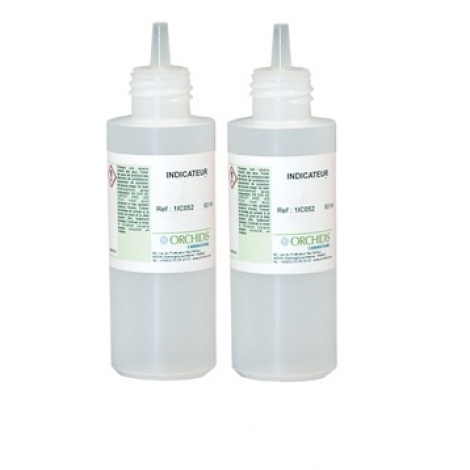
Why DEHA testing matters in water treatment
DEHA, or diethylhydroxylamine, is widely known as an oxygen scavenger used in boiler and condensate systems. Its role is tied to corrosion control, especially in environments where dissolved oxygen can damage piping, heat transfer surfaces, and other equipment over time. Because treatment performance depends on actual concentration in the system, regular testing helps operators make informed dosing decisions rather than relying only on calculated addition rates.
For maintenance teams and laboratory staff, this category supports a simple goal: verify whether DEHA is present at the expected level and track changes in operating conditions. In practice, that means choosing suitable reagents, following a repeatable test procedure, and using measurement tools that fit the required speed and accuracy of the workflow.
Products in this category and how they are used
This category centers on tools and consumables for DEHA analysis in liquid samples. A DEHA meter is generally used when a clearer instrument-based reading is needed, while DEHA reagents are essential for the chemical reaction or color development that makes the measurement possible. In many test routines, the reagent is not a separate afterthought but a critical part of the overall method.
For buyers, this means the selection process should consider the full testing setup rather than looking at a meter alone. Reagent compatibility, testing frequency, operator handling, and the sampling environment all affect whether a product is suitable for field use, on-site maintenance, or controlled laboratory work.
What to consider when choosing a DEHA meter or reagent
The first point is the intended application. Some users need quick spot checks during routine rounds, while others need more structured verification as part of a water management program. In both cases, it is helpful to look for a solution that matches the sample type, expected concentration range, and the level of repeatability required by the site.
A second consideration is workflow efficiency. Reagent-based methods should be easy to prepare and consistent from one test to the next. If multiple operators will use the products, clear handling and straightforward reading steps can reduce variation between users. This is especially relevant in industrial settings where testing must be completed quickly but still remain dependable.
It is also worth reviewing storage and replenishment needs for consumables. Reagents are recurring items, so users should think about replacement planning, testing volume, and how frequently measurements are carried out. When the testing program includes other liquid analysis tools, related categories such as other reagents may also be useful for broader routine water checks.
Typical applications in industrial and utility environments
DEHA testing is most relevant where water chemistry directly affects equipment reliability. Boiler systems, condensate return lines, and related utility processes are common examples. In these environments, monitoring treatment chemicals is part of a broader maintenance strategy that may also include checks for pH, conductivity, dissolved oxygen, or other process indicators.
Because real operating conditions can change with load, makeup water quality, or treatment adjustment, periodic DEHA verification helps teams maintain better control over corrosion prevention programs. This is particularly important where downtime, scaling, or internal metal damage can have a measurable effect on plant efficiency and operating cost.
How DEHA testing fits into a broader liquid analysis workflow
In many facilities, DEHA measurement is not performed in isolation. It often sits alongside other spot tests and reagent-based checks used to evaluate overall water condition. A complete liquid testing routine may include fast screening tools, laboratory consumables, and application-specific accessories depending on the process and the required decision speed.
For example, some users combine dedicated chemical tests with simple screening products such as test paper for rapid preliminary checks. Where ion-specific analysis is also part of the workflow, related tools like a domestic ion measurement electrode can support more detailed liquid analysis in the same maintenance or laboratory environment.
Practical buying guidance for B2B users
When purchasing for industrial use, it helps to define who will perform the test, how often it will be done, and how the results will be used. A maintenance team doing routine operational checks may prioritize speed and simplicity, while a laboratory or quality control team may place greater emphasis on procedure consistency and documentation.
It is also useful to review whether the need is mainly for instruments, for replacement reagents, or for both. Sites with established testing procedures often need dependable restocking of consumables, whereas new installations may need a more complete setup. If your water testing program also includes specialized sample evaluation in other fields, products such as a urine refractometer belong to a different application area and should be selected only when that specific measurement need exists.
Frequently asked questions
Is a DEHA meter always used together with a reagent?
In many reagent-based methods, the reagent plays a necessary role in producing the measurable response. The exact setup depends on the test method and product design, so compatibility between meter and reagent should always be checked before purchase or replacement.
Who typically uses DEHA testing products?
These products are commonly relevant for plant operators, maintenance teams, utility engineers, and laboratory personnel involved in boiler water or process water monitoring.
What is the main benefit of regular DEHA measurement?
Routine testing helps confirm whether chemical treatment is being maintained at an appropriate level. That supports better operational control and can help reduce the risk of corrosion-related issues in water and steam systems.
Choosing the right category for routine DEHA control
For buyers responsible for water treatment reliability, the right DEHA testing products support clearer decisions in daily operation and maintenance. A suitable combination of meter and reagent can make routine checks more consistent, easier to repeat, and better aligned with the needs of industrial liquid analysis.
If your team is building or refining a broader water testing workflow, this category provides a focused starting point for DEHA monitoring while still fitting naturally into a larger program of process and utility water control.
-
-
-
-
-
-
-
-
-
-
-
-
-
-
-
-
-
-
-
-
-
-
-
-