


Alkalinity Meter
Reliable alkalinity control is essential in water treatment, environmental monitoring, aquaculture, and routine laboratory work. When alkalinity is too low or too high, it can affect pH stability, chemical dosing, corrosion behavior, and overall process consistency. This category brings together Alkalinity Meter solutions and related test tools used to evaluate alkalinity in water or, in some cases, alkaline solution concentration with practical field and lab-friendly methods.
Depending on the application, alkalinity testing may be carried out by titration, colorimetric measurement, or refractometric concentration checks for specific alkaline chemicals. That is why this category includes both direct freshwater alkalinity checkers and supporting kits or reagents, as well as selected refractometers for sodium hydroxide or potassium hydroxide concentration measurement where process control requires a different measurement approach.
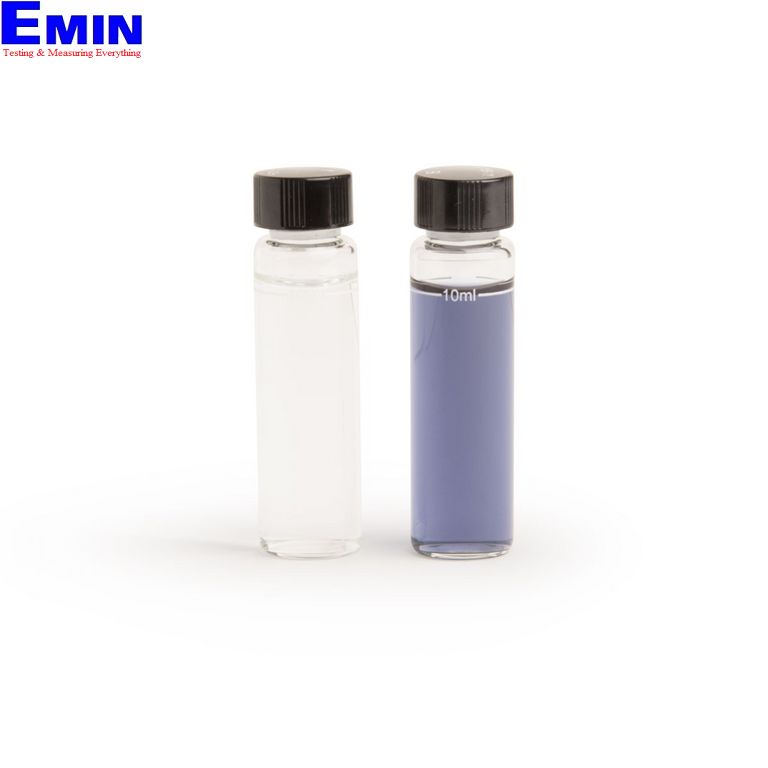
Where alkalinity measurement is used
Alkalinity is commonly monitored to understand a water sample’s buffering capacity and its ability to resist rapid pH change. In practice, this matters in drinking water systems, wastewater treatment, cooling water, boiler feed monitoring, aquaculture, and freshwater analysis. Stable alkalinity values help operators maintain process balance and make more informed dosing decisions.
In B2B environments, the right testing method depends on sample type, required speed, operator skill level, and whether measurements are taken in the field or in a controlled lab setting. For routine on-site checks, compact handheld meters and test kits are often preferred. For consumable-based workflows, users may also need supporting items such as other reagents to maintain consistent testing cycles.
Common measurement approaches in this category
Not every alkalinity application is measured the same way. A classic approach is acid titration, which is widely used for water analysis because it gives a practical indication of alkalinity expressed as CaCO₃. This method is suitable when users want a straightforward procedure and clear endpoint-based interpretation.
Colorimetric testing is another common option, especially for compact digital checkers. In this workflow, a reagent reacts with the sample to produce a measurable color change, and the instrument converts that optical signal into a result. For process liquids such as sodium hydroxide or potassium hydroxide, refractometric measurement can be more appropriate because the goal is not water alkalinity in the usual environmental sense, but the concentration of an alkaline solution used in production or cleaning processes.
Representative products for routine testing
For users who need a simple manual method, the HANNA HI3811 Alkalinity Chemical Test Kit is a practical example of a titration-based solution. It uses indicator chemistry and a calibrated sampling setup to support repeated alkalinity checks, making it suitable for maintenance teams, educational labs, and general water testing workflows where portability and low setup complexity matter.
If faster digital spot checks are preferred, the HANNA HI775 Freshwater Alkalinity Checker is a compact colorimetric instrument designed for freshwater measurement. Its checker format can be useful for routine monitoring where users want quick readings without the larger footprint of a benchtop instrument. Supporting consumables such as the HANNA HI775-26 Freshwater Alkalinity reagent and HI93755-01 reagents also play an important role, because repeatable testing depends on the availability of the correct chemical supplies.
For buyers comparing suppliers by brand ecosystem, this category includes products from HANNA, which is well known for portable water testing instruments and reagent-based measurement workflows.
When refractometers appear in an alkalinity-related category
Some products listed here are not water alkalinity checkers in the narrow analytical sense, but refractometers for alkaline chemicals such as NaOH or KOH. These instruments are relevant in industrial settings where operators need to verify concentration during chemical preparation, cleaning processes, or production control. In those cases, refractive index-based measurement can provide a fast indication of solution strength with only a small sample volume.
Examples in this category include the ATAGO QR-NaOH, ATAGO PAL-40S, ATAGO PAL-121S, Holani CST-820, Holani CST-807, and PCE DRG 10. These devices are better understood as concentration measurement tools for specific alkali solutions rather than substitutes for freshwater alkalinity testing. If your task is to measure buffering capacity in environmental water, a checker, reagent set, or titration kit is generally the more relevant direction.
For customers standardizing by vendor, selected options from ATAGO and PCE may be useful where refractometric process control is part of the requirement.
How to choose the right alkalinity testing solution
The first selection step is to define the sample and the result you actually need. If you are testing freshwater alkalinity in mg/L or ppm as CaCO₃, choose a method intended for water analysis. If you are checking NaOH or KOH concentration in a process liquid, select a refractometer that matches the target chemical and measurement range.
Next, consider workflow requirements. A manual titration kit can be a good fit for periodic testing and lower equipment cost, while a handheld digital checker is more convenient for quick routine measurements with easy visual readout. Reagent availability should also be part of procurement planning, especially in facilities that test frequently or across multiple locations.
It is also worth considering environmental conditions, operator training, and calibration or verification needs. Portable instruments are often preferred for fieldwork, while consumable-based methods require disciplined handling to maintain reliable results. In some broader water testing programs, alkalinity measurement may be reviewed alongside electrodes or related analytical accessories such as ion measurement electrodes, depending on the testing scope.
Key points for industrial and laboratory buyers
For B2B procurement, the main concern is usually not just the device itself, but the full measurement workflow. That includes sample preparation, reagent consumption, expected test frequency, portability, storage conditions, and replacement supply planning. A lower-cost test kit may be sufficient for occasional checks, while higher-frequency users may benefit from a compact digital instrument with simple operation.
It is also important to separate environmental water analysis from chemical concentration control. This distinction helps avoid choosing a refractometer where a water alkalinity checker is needed, or vice versa. Looking at the intended method, reading format, and sample matrix will usually make the right choice clearer.
Choosing by application, not just by product name
Because alkalinity-related measurement can refer to more than one testing context, buyers should focus on the application first: freshwater analysis, general water treatment monitoring, reagent-based colorimetric checks, manual titration, or alkali concentration control. Once that is clear, the shortlist becomes much easier to manage and the risk of ordering unsuitable accessories or reagents is reduced.
This category is designed to support that comparison process with a mix of portable instruments, test kits, and compatible consumables. If you are building a broader testing setup, it may also be useful to review complementary consumable categories such as test paper for quick screening tasks in parallel workflows.
In summary, the right alkalinity meter or test solution depends on what you measure, how often you test, and how results are used in the process. A clear match between sample type, method, and operating environment will lead to more dependable measurements and a more efficient purchasing decision.
-
-
-
-
-
-
-
-
-
-
-
-
-
-
-
-
-
-
-
-
-
-
-
-