


Airtec (Compressed Air) Detector Tube
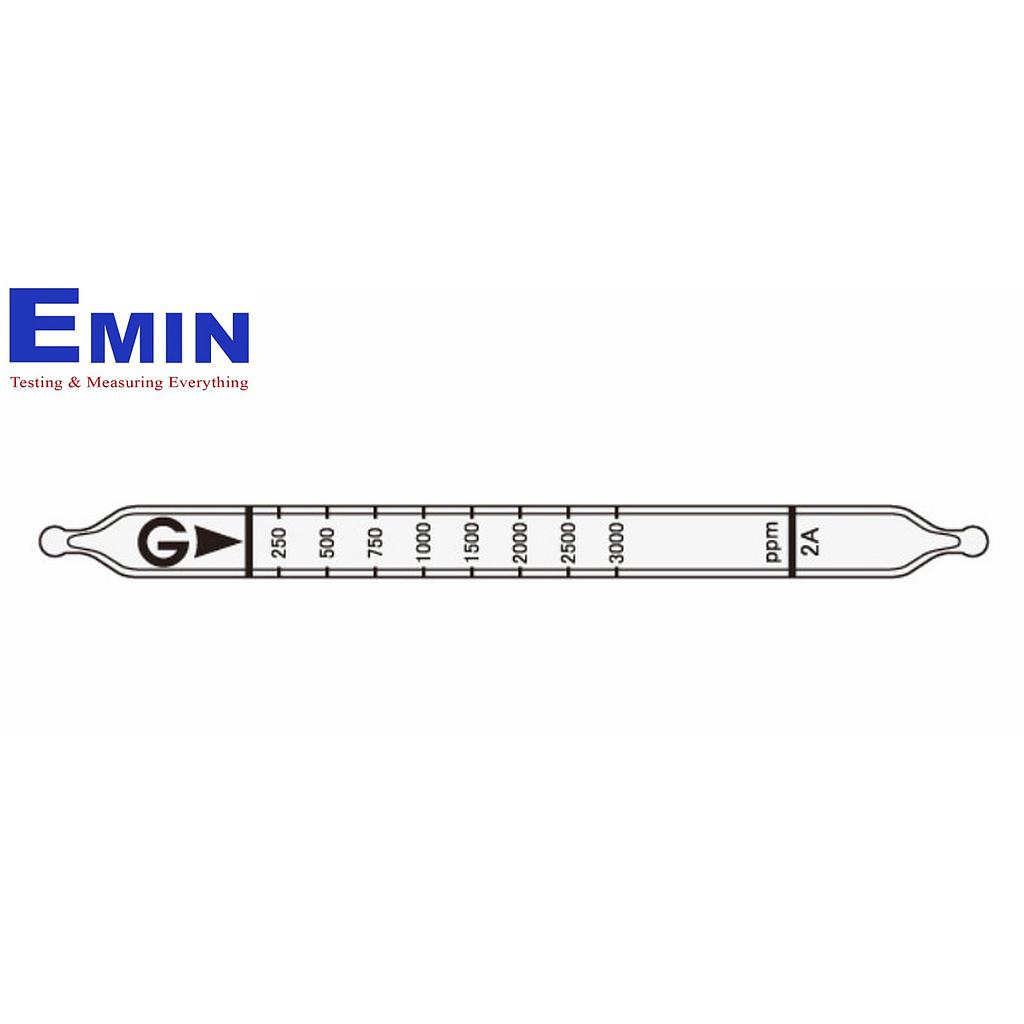
When compressed air is used for breathing systems, process lines, or critical pneumatic applications, fast contamination checks become a practical requirement rather than a paperwork exercise. Airtec (Compressed Air) Detector Tube products are designed for spot testing specific components in compressed air streams, helping maintenance teams, safety personnel, and industrial buyers verify whether air quality is within the expected condition for the task.
These detector tubes are especially useful when you need a simple, direct-reading method for checking moisture, oil mist, oxygen, carbon monoxide, carbon dioxide, or nitrogen oxides. Instead of relying only on permanent instruments, many users apply detector tubes for on-site confirmation, troubleshooting, and periodic inspection in compressed air systems.
Why detector tubes are used in compressed air testing
Compressed air can carry contaminants that affect safety, product quality, and equipment performance. In breathing air systems, parameters such as oxygen, carbon monoxide, carbon dioxide, water vapour, and oil mist are often important because even a small deviation can change the suitability of the air supply for the intended use.
A detector tube works as a quick screening tool. After sampling a defined air volume, the reagent inside the tube changes colour, and the result is read directly from the printed scale. This makes the method attractive for field checks, service work, maintenance shutdowns, and verification after filter replacement or system adjustment.
Typical contaminants checked in this category
This category covers detector tubes for several common compressed air quality concerns. Moisture is one of the first items many teams check, because excess water vapour can affect downstream instruments, drying performance, and overall air quality. Oil mist is another key parameter in compressor systems, especially where lubrication carryover must be controlled.
Gas components are also relevant depending on the application. For example, oxygen level can be checked in breathing air verification, while carbon monoxide and carbon dioxide are often monitored because they can indicate unsafe conditions or air supply issues. Some applications also require checks for nitrogen oxides. For broader environmental monitoring around the site, buyers may also compare detector tubes with fixed air quality sensors or continuous air and gas transmitters.
Representative detector tubes available
The range in this category includes products from Gastec and Kitagawa, two established names in detector tube-based gas measurement. The available tubes target different substances and concentration ranges, allowing users to select a tube that matches the expected contaminant level and the sampling method required by the inspection procedure.
Examples include the Kitagawa 600SP for carbon monoxide, Kitagawa 601SP for carbon dioxide, Kitagawa 604SP for oxygen, and Kitagawa 602SP for oil mist. Moisture checking can be performed with products such as Kitagawa 603SP2 or 603SPA, while Gastec options in this category include the 109AD and 109A for oil mist, 11A for nitrogen oxides, and 6A, 6AG, or 6AH for water vapour. These examples show how the category supports both low-level and broader-range spot checks depending on the contaminant being investigated.
How to choose the right tube for your application
The first selection point is the target substance. Detector tubes are specific to the gas or vapour they are designed to measure, so oxygen, water vapour, oil mist, carbon monoxide, and carbon dioxide each require the correct tube type. Choosing the wrong chemistry will not provide a useful reading.
The second point is the measuring range. A low-range tube may be better for sensitive inspection, while a wider-range tube can be more practical for troubleshooting unknown conditions. Sampling time also matters in field use: some tubes deliver results in around a minute or a few minutes, while others require longer sampling. In maintenance planning, this affects how quickly technicians can complete checks across multiple air outlets or systems.
Operating temperature and shelf life should also be considered when planning inventory. Many detector tubes in this category are intended for use in typical industrial ambient conditions, and they offer direct visual reading after colour change. For teams managing periodic testing programs, matching the tube range, sampling method, and storage window to the actual workflow can reduce waste and improve consistency.
Where these tubes fit in a maintenance and safety workflow
Detector tubes are often used as part of a practical inspection routine rather than as the only measurement method. They are well suited to incoming checks on compressed breathing air, verification after dryer or filter maintenance, compressor troubleshooting, and confirmation at the point of use. Because the result is obtained on site, they can support faster decisions during service work.
In some facilities, detector tubes complement other air monitoring tools. A continuous device may be installed for ongoing observation, while tubes are used for confirmation at specific points in the system or for occasional checks of substances not monitored permanently. In contamination control environments, related equipment such as an aerosol generator may be used in different testing procedures, but detector tubes remain valuable when the objective is direct chemical indication in compressed air.
Key advantages of Airtec compressed air detector tubes
One of the main strengths of this product category is direct reading. Users do not need complex analysis software to interpret the result in routine field applications. The visible colour change and printed scale help simplify first-line checks, especially when technicians need to inspect several parameters across different compressed air points.
Another advantage is application focus. The listed products are tailored to contaminants commonly associated with compressed air and breathing air quality checks, rather than being generic ambient measurement tools. This makes them useful for targeted maintenance, safety verification, and industrial procurement where the requirement is clear and parameter-specific.
- Substance-specific measurement for practical spot testing
- Useful for maintenance checks, troubleshooting, and periodic verification
- Direct visual indication with defined sampling procedures
- Options from recognized manufacturers for different ranges and contaminants
Choosing between Gastec and Kitagawa options
Both Gastec and Kitagawa products in this category support compressed air testing, but the best choice depends on the contaminant to be measured, the required range, and the preferred test procedure. Some users standardize on one manufacturer for purchasing consistency, while others select tube-by-tube based on the exact measurement need.
For B2B buyers, it is usually more useful to compare the intended analyte, reading range, sampling time, and service workflow than to focus only on brand. If your team already uses other portable or fixed air monitoring devices, it may also help to align detector tube selection with the plant’s overall monitoring strategy and documentation practice.
Final considerations before ordering
Before purchasing, confirm the contaminant you need to test, the expected concentration range, and whether the tube will be used for breathing air checks, compressor maintenance, or point-of-use verification. It is also worth checking how often tests are performed so you can plan stock rotation around shelf life and avoid keeping unsuitable ranges on hand.
This category brings together practical options for compressed air quality checking where quick, substance-specific measurement is needed. If your application involves safety, process reliability, or maintenance validation, selecting the right Airtec detector tube can make on-site air assessment simpler and more consistent.
-
-
-
-
-
-
-
-
-
-
-
-
-
-
-
-
-
-
-
-
-
-
-
-