


Environmental Measurement
Reliable environmental data is essential when product quality, process stability, and compliance depend on what is happening in air, water, or other liquid media. In industrial plants, laboratories, utilities, and food or beverage facilities, measurement tools help teams track changing conditions, verify process parameters, and make better decisions based on real numbers instead of assumptions.
Environmental Measurement in this category covers instruments used to evaluate physical and chemical conditions across a wide range of applications. Depending on the task, that may mean checking liquid concentration, refractive properties, sugar content, fermentation progress, or other process-related environmental values that affect production, testing, and quality control.
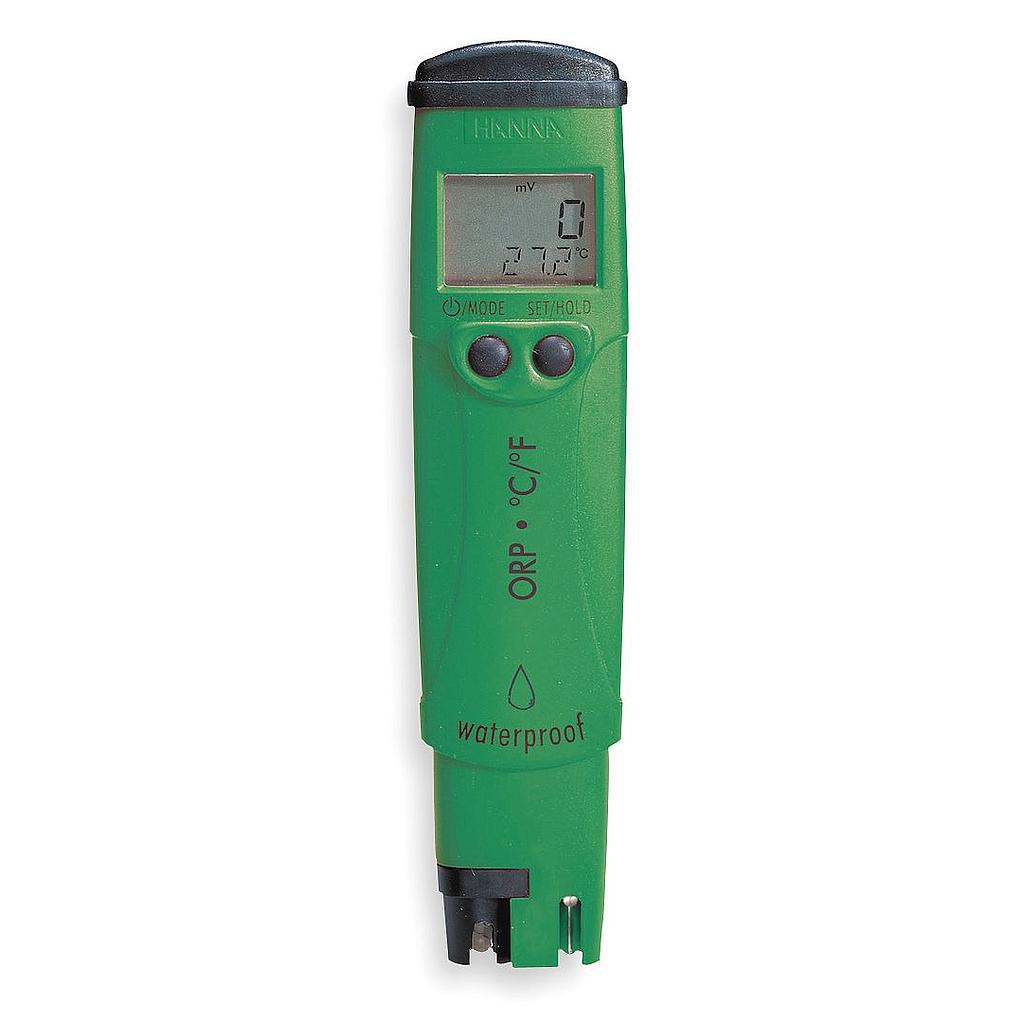
Where environmental measurement matters in practice
Environmental measurement is not limited to field monitoring alone. In many B2B settings, it also includes laboratory analysis and inline process measurement used to understand the condition of samples, utilities, and production media. This is especially relevant where temperature, concentration, refractive index, extract, alcohol, or dissolved components can influence downstream quality.
Typical use cases include water and liquid testing, process control in beverage production, laboratory verification of raw materials, and routine quality checks in regulated environments. For buyers comparing solutions across instrument types, the broader measurement ecosystem often overlaps with specialized brands such as Anton Paar, particularly where optical and concentration-based analysis is required.
Key instrument types found in this category
One important group is the laboratory refractometer, used to determine refractive index and often related scales such as °Brix. These instruments are useful for checking concentration, composition consistency, and sample identity in laboratory workflows. In this category, examples include the Anton Paar Abbemat series, with models such as Abbemat Advanced 5001, 5101, and 5201 covering different measurement ranges and temperature capabilities.
Another relevant group is the inline beverage analyzer, designed for continuous monitoring directly in process lines. Instruments such as the Anton Paar Beer Monitor 5601, Wine Monitor 5501, Wine Monitor 5601, and Fermentation Monitor support production environments where extract, alcohol, CO2, or fermentation-related values must be tracked without interrupting the process.
For sugar-oriented optical measurement, circular saccharimeters also play a role. The Anton Paar MCP Sucromat 5300 and MCP Sucromat 5500 illustrate how polarimetric measurement can be applied where optical rotation and sugar-related analysis are part of quality control or product evaluation.
How to choose the right environmental measurement instrument
Selection should begin with the measurement objective rather than the product name alone. Buyers typically need to define whether the task is spot testing, bench analysis, or permanent inline monitoring. A lab instrument is often the right fit for sample-based verification, while a process analyzer is more suitable when continuous data is needed from a production stream.
It is also important to compare the required measurement range, resolution, and temperature conditions. For example, some refractometers in this category support broad refractive index and °Brix ranges with extended temperature control, while more basic benchtop models are suitable for routine measurements in narrower operating windows. If your workflow includes pharmaceutical or regulated documentation needs, instrument features related to user management, stored methods, and electronic records may also matter.
Examples from Anton Paar for laboratory and process environments
Within this category, Anton Paar products represent a strong cross-section of environmental and liquid-related measurement tasks. The Abbemat Pharma 7001 and Abbemat Pharma 7201 are positioned for pharmaceutical refractive index and °Brix measurement, while the Abbemat Advanced line supports broader laboratory use where precise optical measurement and temperature control are needed.
On the process side, the Fermentation Monitor and Beer or Wine Monitor models show the difference between offline sample testing and inline control. These analyzers are intended for applications where operators need ongoing visibility into extract, alcohol, or CO2 trends during production. That makes them relevant not only for product quality, but also for process efficiency, changeover control, and faster response to deviations.
Important specifications to evaluate before purchase
When comparing instruments in this category, the most useful specifications are the ones tied directly to the application. For refractometers, that usually includes refractive index range, °Brix range, display resolution, accuracy, temperature range, and minimum sample volume. For inline analyzers, buyers often focus on process temperature, pressure tolerance, communication interfaces, and the set of measurable process values.
Connectivity can be just as important as metrology. Some instruments listed here support interfaces such as Ethernet, USB, RS232, CAN bus, HART, Modbus, PROFINET IO, or EtherNet/IP depending on product type. In practical terms, this affects how easily the device can be integrated into a lab data workflow, a PLC-based automation system, or a plant-wide quality monitoring setup.
Laboratory control versus inline process monitoring
A common purchasing question is whether to invest in benchtop analysis, inline measurement, or both. The answer usually depends on how fast the process changes and how critical real-time adjustment is. Bench instruments are ideal when samples can be taken periodically and measured under controlled conditions, which is often the case in R&D, QA laboratories, and incoming material inspection.
Inline devices become more valuable when production runs continuously and conditions can drift between sample intervals. In brewing, winemaking, or fermentation processes, for example, real-time data can reduce manual sampling and support tighter control. Teams working across both environments may also benefit from related categories such as water and liquid testing solutions or air environment measurement instruments when building a more complete monitoring setup.
Why application context matters more than broad specifications
Two instruments may appear similar on paper but serve very different operational needs. A benchtop refractometer with high resolution can be the right choice for controlled sample analysis, while an inline analyzer with industrial communication and higher environmental protection may be the better fit for production lines. Looking only at headline values without considering sample type, workflow, cleaning method, and installation environment can lead to poor selection.
This is why procurement teams often evaluate not just performance, but also factors such as sample handling, maintenance expectations, interface compatibility, operator workflow, and traceability requirements. A good category comparison should therefore help narrow the shortlist by application logic, not by specification tables alone.
Supporting better decisions across environmental measurement workflows
This category is intended for users who need dependable tools for liquid analysis, optical measurement, and process monitoring in technical and industrial environments. From Abbemat refractometers for laboratory use to inline beverage analyzers and saccharimeters for specialized process control, the available products address different stages of measurement, verification, and quality assurance.
If you are selecting equipment for a new project or replacing an existing instrument, start with the sample type, required measurement parameter, operating environment, and data integration needs. That approach makes it easier to identify the most suitable environmental measurement solution without overbuying features or compromising on the results your process depends on.
Types of Environmental Measurement (16,999)
- Air environment meter (10,510)
- Water Environment - Liquid Testing (6,489)
-
-
-
-
-
-
-
-
-
-
-
-
-
-
-
-
-
-
-
-
-
-
-
-