


Titration Equipment Repair Service
Accurate titration depends on much more than chemistry alone. When a titrator, dosing unit, electrode interface, or dispensing mechanism starts to drift, the impact can show up quickly in inconsistent results, failed repeatability, and unnecessary downtime in the lab. For facilities that rely on routine analytical work, a professional Titration Equipment Repair Service helps restore stable operation and supports confidence in every measurement workflow.
This service category is relevant for laboratories, quality control departments, production environments, and research settings where titration systems are used for chemical analysis, concentration checks, or process verification. Whether the issue involves liquid handling, response stability, control electronics, or general wear from daily use, proper repair work is essential for getting the instrument back into dependable service.
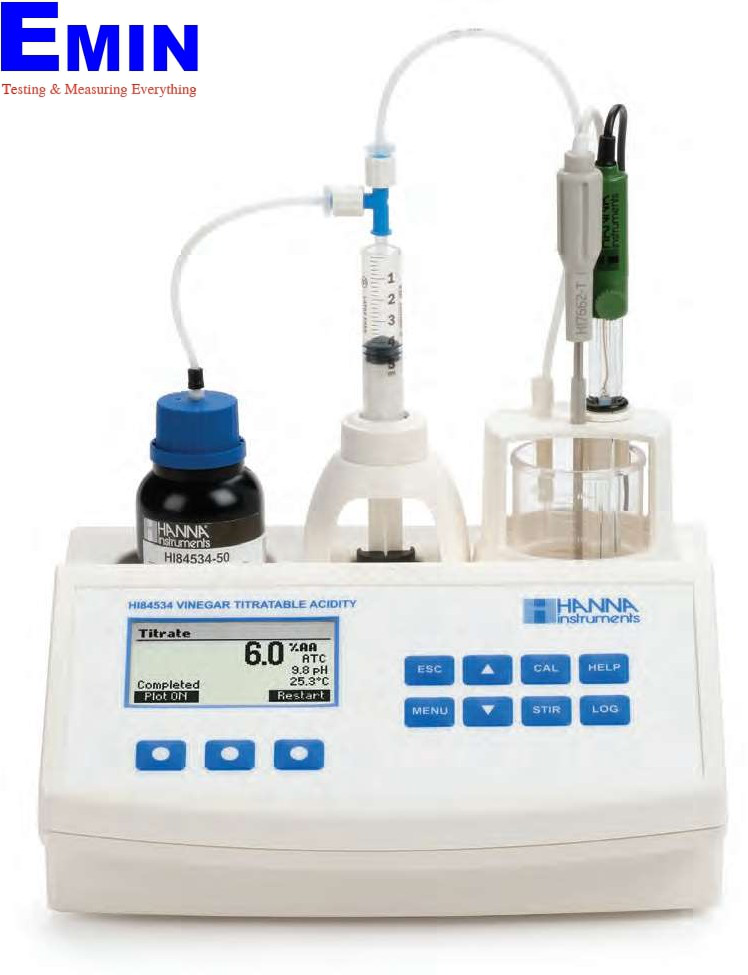
Why titration equipment often needs repair
Titration systems operate through a combination of mechanical, electrochemical, and electronic functions. Over time, pumps, burettes, valves, tubing paths, sensors, connectors, and control assemblies can experience wear, contamination, or gradual performance drift. Even small faults in reagent delivery or endpoint detection may affect analytical consistency.
In many labs, these instruments are used under demanding schedules, which increases the likelihood of maintenance and repair needs. A structured repair process is especially important when users notice unstable readings, inaccurate dispensing, communication issues, startup errors, or abnormal operating behavior during test routines.
Common service scope for titration systems
A repair service for titration equipment typically focuses on identifying the source of malfunction and restoring the instrument to proper working condition. This can involve inspection of dosing assemblies, functional testing of control sections, checking fluid handling paths, and evaluating whether key components are causing inconsistent operation.
Because titration platforms vary by brand and configuration, service work should match the actual equipment design and application context. In some cases, the issue may be tied to the instrument body itself; in others, related modules such as syringe-driven dispensing systems also require attention. For example, the Malcom Syringe Dispensing System Repair Service is relevant where precise liquid delivery is part of the broader analytical setup.
Supported brands and representative service options
This category includes repair support for selected manufacturers commonly used in laboratory environments. Brands such as HANNA, YSI, and SI ANALYTICS are frequently associated with titration and related analytical workflows, and service needs may differ depending on instrument architecture, user interface, and dosing method.
Representative offerings in this category include the HANNA Titration Equipment Repair Service, SI ANALYTICS Titration Equipment Repair Service, and YSI Titration Equipment Repair Service. These listings help users identify brand-aligned support more easily while keeping the focus on the practical goal: restoring reliable operation rather than replacing equipment prematurely.
When to consider repair instead of replacement
Repair is often a sensible option when the instrument still fits the application, but performance has declined due to wear, contamination, or a correctable fault. For many laboratories, keeping an existing titration platform in service can be more practical than requalifying a replacement system, updating procedures, or retraining operators.
It is usually worth evaluating repair when the core unit remains structurally sound and the problem appears isolated to dosing accuracy, endpoint response, display or keypad behavior, or fluid path reliability. In these situations, targeted restoration can help extend equipment life while reducing interruption to established test methods.
How to choose the right repair service
Choosing an appropriate service starts with identifying the instrument type, manufacturer, and the symptoms observed during operation. Users should prepare basic information such as model reference, fault condition, operating history, and whether the problem is intermittent or continuous. This makes it easier to assess likely causes and organize the correct service path.
It also helps to look at the broader laboratory equipment environment. If multiple instruments require maintenance, facilities may benefit from reviewing adjacent service categories such as water bath repair service or rotary evaporator repair service to streamline support planning across the lab.
Typical applications that depend on stable titration performance
Titration equipment is widely used where quantitative chemical analysis supports product quality, compliance, or process control. This includes routine laboratory testing, raw material verification, production batch checks, educational labs, and application environments where repeatable reagent delivery and endpoint determination are important.
Because these workflows often affect release decisions or analytical documentation, maintaining measurement reliability matters just as much as restoring basic instrument function. A properly repaired system helps reduce rework, repeated tests, and uncertainty caused by equipment behavior that no longer matches expected performance.
Related considerations for service planning
Repair needs should be viewed as part of a wider laboratory asset strategy rather than as isolated incidents. Instruments exposed to frequent use, aggressive reagents, or irregular maintenance intervals are more likely to require intervention. Scheduling service at the right time can help avoid extended downtime and unexpected disruption to analytical throughput.
For users working with established brands, manufacturer-specific familiarity can also be useful in service coordination. This category includes support aligned with names such as YSI, HANNA, SI ANALYTICS, and Malcom, allowing buyers to navigate brand-relevant options within a focused laboratory repair framework.
Finding the right fit for your laboratory workflow
The best repair path depends on how the titration system is used, what type of fault is present, and how critical the instrument is to daily lab operations. Some users need support for a single malfunctioning unit, while others are managing a larger fleet of analytical equipment and want a more organized maintenance approach.
By selecting a service that matches the brand and equipment role, laboratories can improve uptime, protect existing methods, and restore dependable analytical performance. If your process depends on accurate reagent delivery and consistent endpoint evaluation, this category provides a practical starting point for titration equipment service aligned with real laboratory needs.
-
-
-
-
-
-
-
-
-
-
-
-
-
-
-
-
-
-
-
-
-
-
-
-