


Amonia Meter Repair Service
When ammonia measurements start drifting, reacting slowly, or showing unstable readings, the problem is rarely just an inconvenience. In water quality monitoring, aquaculture, laboratory work, and process control, inaccurate ammonia data can affect product quality, regulatory compliance, and day-to-day operating decisions. A dependable Amonia Meter Repair Service helps restore measurement confidence and extends the useful life of your instrument.
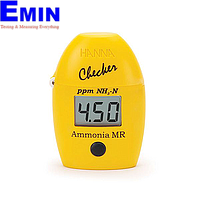
Why ammonia meter repair matters
Ammonia meters are used where reliable analytical results are important, especially in environments that demand repeatable monitoring and fast response to changing conditions. Over time, sensors, electronics, connectors, displays, and calibration performance may degrade due to regular use, storage conditions, sample contamination, or general wear.
Professional repair is not only about fixing a device that no longer powers on. It can also address measurement instability, poor calibration response, intermittent operation, and communication or display faults. In many cases, repair is a practical option for keeping an existing instrument in service rather than replacing it prematurely.
Common issues seen in ammonia meters
Service requests often begin with symptoms rather than a confirmed fault. Users may notice readings that drift after calibration, slower-than-normal response, values that do not match reference methods, or instruments that fail to complete startup correctly. These issues can come from sensor-related wear, contamination, damaged internal components, or problems in the input and signal processing stages.
Another frequent concern is physical damage from field use or laboratory handling. Moisture ingress, worn keypads, damaged housings, unstable power connections, and screen problems can all interfere with normal operation. A structured repair process helps identify whether the root cause is electronic, mechanical, or related to the measuring assembly itself.
What to expect from an ammonia meter repair workflow
A proper repair service typically starts with an inspection of the unit’s operating condition and visible faults. From there, technicians assess key functions such as power-up behavior, display performance, signal response, and calibration stability. This approach is important because ammonia measurement errors are not always caused by a single failed part.
After diagnosis, repair may involve component replacement, circuit-level work, cleaning, connector restoration, or correction of interface-related issues depending on the actual fault found. The goal is to return the instrument to a stable and usable condition for routine testing. For organizations managing several environmental instruments, it can also be useful to review related services such as dew point meter repair when maintaining broader monitoring equipment fleets.
Supported brands and typical service references
This category includes repair support related to well-known instrument brands such as HANNA and MILWAUKEE, both commonly used in environmental and water analysis applications. Brand familiarity matters because service workflows often depend on instrument design, connector layout, and the way each platform handles calibration and measurement input.
Representative service entries in this category include the HANNA Ammonia Meter Repair Service and the MILWAUKEE Ammonia Meter Repair Service. These references help buyers and maintenance teams quickly identify brand-relevant support paths without turning the page into a simple product list. The emphasis remains on restoring function, improving reliability, and minimizing disruption to testing activities.
How to decide when repair is the right option
Repair is usually worth considering when the instrument is operationally important, the fault appears isolated, or the meter still fits the application after maintenance. This is often the case for facilities that already have established procedures, trained operators, and accessories matched to a specific device. Repair can also reduce downtime compared with requalifying a different instrument model.
On the other hand, the decision should take into account the age of the device, the severity of the failure, and whether performance after service will meet the required task. If your site relies on several types of environmental measurement tools, reviewing adjacent service categories like water activity meter repair or light meter repair may help standardize maintenance planning across departments.
Information that helps speed up service
Before sending an instrument for repair, it is helpful to provide the brand, model reference, observed fault, and a short description of when the issue occurs. For example, note whether the problem appears during startup, calibration, sample measurement, charging, or after a period of storage. These details can shorten diagnosis time and reduce back-and-forth during intake.
If available, include any recent operating history such as exposure to harsh samples, accidental impact, liquid ingress, or unstable power conditions. A concise fault history often gives technicians a better starting point than a simple statement that the meter is “not working.” In technical service environments, clear fault reporting is part of an efficient repair process.
Repair service in a broader maintenance strategy
Ammonia meter repair should be viewed as one part of a wider instrument care program. Regular handling practices, proper storage, routine cleaning, and attention to calibration behavior can all help reduce unexpected failures. Even robust portable and benchtop instruments benefit from preventive habits that lower the chance of downtime at critical moments.
For teams responsible for environmental monitoring equipment, organizing service by instrument type makes maintenance easier to manage and document. A dedicated instrument repair service category helps users quickly identify suitable support for the meter in question while keeping related options accessible for other devices in the same workflow.
Choosing the right service path
If your ammonia meter is showing inconsistent readings, hardware faults, or general performance decline, a focused repair evaluation is often the most sensible next step. Whether the instrument is from HANNA, MILWAUKEE, or another supported platform within your maintenance program, the key objective is the same: restore reliable function and support accurate measurement in real operating conditions.
This category is designed for buyers, technicians, laboratories, and industrial users looking for practical support rather than generic product information. A well-handled ammonia meter repair request can help bring an essential instrument back into service with less disruption and a clearer understanding of its condition.
-
-
-
-
-
-
-
-
-
-
-
-
-
-
-
-
-
-
-
-
-
-
-
-