


Rain Spray, Waterproof testing Chamber Inspection Service
Reliable waterproof and rain simulation testing depends not only on the chamber itself, but also on the condition of the equipment over time. When spray patterns shift, timing drifts, pressure becomes unstable, or enclosure performance can no longer be verified with confidence, an inspection service becomes essential. This is especially important for laboratories, quality teams, and manufacturers that use environmental exposure testing as part of product validation.
Rain Spray, Waterproof testing Chamber Inspection Service supports the evaluation of equipment used to simulate water ingress and rain exposure conditions. By checking the operating status of the chamber and key test-related functions, inspection helps users identify wear, deviation, or performance issues before they affect test credibility, internal quality control, or customer requirements.
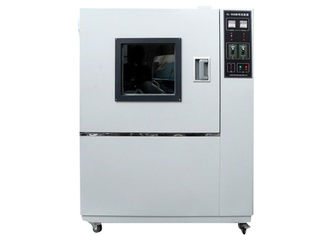
Why inspection matters for rain and waterproof test chambers
Waterproof testing chambers are used in many industrial settings where products must withstand splashing, spraying, or controlled rain exposure. Over time, nozzles may clog, piping can age, moving parts may lose consistency, and control behavior can vary from the original operating condition. Even small deviations can influence test repeatability and make result comparison more difficult.
A structured inspection helps verify whether the equipment remains suitable for routine use, troubleshooting, or maintenance planning. For organizations that depend on documented testing workflows, regular inspection also provides a clearer basis for deciding when servicing, repair, or deeper performance checks are needed.
Scope of inspection in this category
This category focuses on inspection services for chambers used in water resistance testing and rain spray simulation. In practical terms, that usually means reviewing the condition of the chamber system, its water delivery components, operating functions, and overall readiness for continued test work. The exact inspection scope can vary by equipment design, usage frequency, and site condition.
Users often seek this service when they observe inconsistent spray coverage, unstable operating sequences, suspected leakage, irregular control response, or uncertainty after long-term operation. Inspection is also relevant before preventive maintenance cycles, after relocation, or when test equipment is being prepared for more formal evaluation processes.
Typical equipment covered in this service group
Representative products in this category include the JFM Rain Test chamber Inspection Service and the MStech Water resistance testing machine Inspection Service. These examples reflect common equipment types used to assess how products or enclosures respond to controlled water exposure.
Depending on the setup, such equipment may be used in electronics, automotive components, industrial enclosures, lighting products, connectors, consumer devices, or other assemblies where moisture protection is a critical design factor. Inspection helps confirm that the chamber used for these evaluations is still operating in a condition appropriate for consistent test work.
Key points commonly reviewed during inspection
Although each system has its own structure, inspection generally focuses on the parts of the chamber that have the greatest impact on test stability and usability. For rain and waterproof chambers, this often includes water circulation paths, spray-related components, chamber condition, controls, and basic operating behavior.
- Condition of spray and water delivery mechanisms
- Visible wear, clogging, leakage, or component deterioration
- Operation of control functions, timers, or sequences where applicable
- Mechanical condition of moving or support parts within the chamber system
- General readiness of the equipment for continued laboratory or production use
The purpose is not to turn the page into a specification sheet, but to help users understand the practical value of inspection: reducing uncertainty, improving equipment oversight, and supporting more dependable testing operations.
How to choose the right inspection service for your lab or production site
The most suitable service approach depends on how the chamber is used. A system running routine ingress-related checks in production quality control may face different stresses than a chamber used intermittently in a development lab. Frequency of use, water quality, maintenance history, and the criticality of the tested product all influence how inspection should be prioritized.
It is also useful to consider the broader testing workflow. If your site manages multiple types of material or environmental verification equipment, related services such as abrasion tester inspection or furnace inspection service may be relevant as part of a wider equipment reliability plan.
Manufacturer context and service relevance
This category includes solutions associated with manufacturers such as JFM and MStech, both of which are represented by featured service entries in this page context. Mentioning the manufacturer is useful because inspection requirements often relate to equipment layout, component arrangement, and the way each chamber is designed for operation and maintenance.
At the same time, the main value of inspection remains practical rather than brand-focused. Users typically need to know whether a chamber is functioning consistently, whether visible issues should be addressed, and whether the equipment should proceed to maintenance, repair, or further verification.
When this service is especially useful
Inspection is particularly helpful when test results begin to vary without a clear cause, after extended periods of operation, or when the chamber has not been reviewed for some time. It can also support incoming equipment checks, post-repair review, or internal quality system routines where equipment condition needs to be assessed in a more formal way.
For organizations working across several barrier, durability, or environmental test methods, adjacent services such as water vapor transmission rate test system inspection and oxygen permeation system inspection may also be useful where broader laboratory equipment control is required.
Supporting more dependable waterproof testing workflows
Rain and waterproof exposure tests are often used to make pass/fail decisions, compare design revisions, or confirm product suitability for intended environments. Because these tests can influence engineering, quality, and compliance-related decisions, the condition of the chamber should not be treated as a minor detail. Inspection helps teams maintain a better understanding of equipment status and reduce avoidable uncertainty in daily operation.
If your organization relies on rain spray or water resistance test equipment, this service category provides a focused starting point for assessing chamber condition and planning next steps. A well-timed inspection can help protect test consistency, support maintenance decisions, and keep critical testing assets working more reliably over the long term.
-
-
-
-
-
-
-
-
-
-
-
-
-
-
-
-
-
-
-
-
-
-
-
-