


Wi-Fi, Bluetooth Analyzer Calibration Service
Reliable wireless testing depends on measurement confidence. In labs, service centers, and production environments, even small drift in a wireless analyzer can affect verification results, troubleshooting accuracy, and pass/fail decisions for devices operating on Wi-Fi or Bluetooth standards. A professional Wi-Fi, Bluetooth Analyzer Calibration Service helps keep these instruments aligned with expected measurement performance and supports more consistent day-to-day testing.
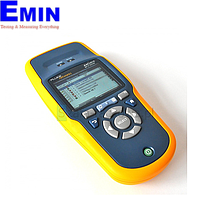
Why calibration matters for wireless analyzers
Wi-Fi and Bluetooth analyzers are commonly used to evaluate RF behavior, signal quality, and communication performance in wireless products. Because these instruments often support validation, maintenance, and fault isolation tasks, calibration plays an important role in maintaining measurement traceability and reducing uncertainty over time.
Regular calibration is also useful for organizations that need predictable instrument behavior across multiple projects or test benches. When an analyzer is checked at appropriate intervals, teams can make decisions with greater confidence instead of relying on instruments that may have drifted after frequent use, transport, or long operating periods.
Typical use cases in telecom and wireless testing
This service category is relevant wherever wireless connectivity must be verified under controlled conditions. Common environments include electronics manufacturing, repair and service operations, telecom support functions, R&D laboratories, and quality departments that work with connected devices, modules, or communication subsystems.
Calibration is especially important when results from a Wi-Fi or Bluetooth analyzer are used to compare performance across units, investigate intermittent RF issues, or support documented quality procedures. In these cases, instrument condition directly affects the reliability of the test workflow, not just the analyzer itself.
What this service category covers
The category focuses on calibration support for wireless analyzers used in Wi-Fi and Bluetooth measurement tasks. It may be relevant for standalone analyzers, dedicated wireless testers, or multifunction RF test platforms that include wireless analysis capabilities, depending on the instrument design and intended measurement scope.
Example services shown in this category include the ANRITSU Bluetooth Tester Calibration Service and the FLUKE Wi-fi Tester Calibration Service. These examples help illustrate the type of equipment supported without turning the page into a simple model list.
Brands commonly associated with this category
Many buyers begin their search by manufacturer, especially when they want calibration aligned with the needs of a specific installed base. In this category, ANRITSU and FLUKE are key reference brands. Both are widely recognized in test and measurement workflows where dependable wireless verification is required.
Brand-based navigation can also help procurement teams and maintenance planners quickly identify the most relevant service options for existing equipment fleets. That said, the most important factor is not only the brand name, but whether the calibration scope matches the instrument’s function in the real testing process.
How to choose the right calibration service
When selecting a service for wireless analyzers, it helps to start with the actual role of the instrument in your operation. Consider whether the analyzer is used mainly for routine verification, troubleshooting, production support, or more demanding engineering tasks. The answer affects how critical calibration intervals and documented results may be for your workflow.
It is also useful to review how the analyzer interacts with other RF and telecom instruments in the same environment. For example, if your process also depends on related measurement platforms, you may want to review adjacent services such as vector network analyzer calibration or RF and microwave power meter calibration to support a more complete maintenance strategy.
Calibration within a broader RF maintenance workflow
Wireless analyzers are rarely used in isolation. In many technical environments, they are part of a wider ecosystem of telecom and RF measurement tools that may include power measurement, network analysis, and signal verification equipment. Keeping those instruments maintained on a structured schedule helps reduce inconsistency between test stations and improves continuity across service events.
For organizations managing several instrument types, calibration planning is often easier when viewed as part of a broader asset management process. Instead of treating each service event independently, teams can align calibration around equipment criticality, usage frequency, and the impact of measurement deviations on product quality or technical diagnosis.
Who benefits from this category page
This category is useful for engineers, calibration coordinators, maintenance teams, buyers, and quality professionals looking for support related to wireless test instruments. It is especially relevant when the search intent is practical rather than purely technical: finding a suitable service path for equipment already used in operation.
Whether the requirement is tied to a Bluetooth tester, a Wi-Fi tester, or a wireless analyzer within a larger RF setup, the main goal remains the same: maintain dependable instrument performance and reduce uncertainty in wireless measurements over time.
Final considerations
Choosing a suitable Wi-Fi, Bluetooth Analyzer Calibration Service is ultimately about protecting the reliability of your wireless test results. A well-matched calibration approach supports consistent verification, smoother maintenance planning, and better confidence in the instruments used across telecom and connected-device applications.
If your workflow includes wireless, RF, or related telecom test equipment, this category provides a focused starting point for identifying relevant calibration services and comparing options based on how your instruments are actually used.
-
-
-
-
-
-
-
-
-
-
-
-
-
-
-
-
-
-
-
-
-
-
-
-