


Thermal Shock Chamber Calibration Service
When a test program depends on rapid transitions between high and low temperatures, even small measurement errors can affect repeatability, compliance, and product reliability decisions. Thermal Shock Chamber Calibration Service helps verify that the chamber is operating within the intended temperature conditions, transition behavior, and control performance so test results remain trustworthy over time.
For laboratories, manufacturers, and quality teams working with environmental stress screening or durability validation, calibration is not just a maintenance task. It is a practical way to reduce uncertainty, improve traceability, and confirm that the chamber can support consistent thermal shock testing across different batches, operators, and audit cycles.
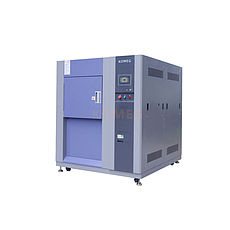
Why thermal shock chamber calibration matters
A thermal shock chamber is designed to expose samples to fast temperature changes between defined zones or stages. Because this type of equipment is used to simulate severe thermal stress, calibration plays a central role in confirming whether the actual chamber conditions match the values used in test methods, qualification plans, or internal quality procedures.
In practice, a calibrated chamber supports better confidence in temperature uniformity, control accuracy, and the reliability of recorded test conditions. This is especially important when the chamber is used for product validation, incoming material assessment, failure analysis, or long-term reliability programs where data consistency matters as much as the test itself.
What is typically checked during calibration
The scope of calibration can vary depending on the chamber design, operating range, and testing requirements, but the objective is generally the same: to compare actual performance against reference standards and identify any deviation that could influence results. This may include verification of temperature points, chamber response, sensor behavior, and the stability of conditions during operation.
Because thermal shock testing involves transitions rather than static exposure alone, calibration is often approached with attention to how the equipment performs under real operating conditions. That includes the practical behavior of the hot and cold sections, the transfer process, and whether the chamber control system is maintaining conditions in a repeatable way.
Suitable for major chamber brands and installed equipment
This category covers calibration support for commonly used systems from manufacturers such as ESPEC, JFM, and MStech. These brands are widely used in environmental and reliability testing, and calibration helps users keep existing equipment aligned with internal quality requirements and ongoing test programs.
Representative services in this category include the ESPEC Thermal Shock chamber Calibration Service, JFM Thermal Shock chamber Calibration Service, and MStech Thermal Shock chamber Calibration Service. These examples illustrate the service focus of the category: maintaining measurement confidence for installed thermal shock chambers rather than treating the equipment as a generic temperature cabinet.
When to schedule calibration
Calibration is commonly scheduled at regular intervals as part of preventive quality control, but there are also several situations where an additional check is advisable. If the chamber has been relocated, repaired, shows unstable readings, or is being prepared for a customer audit or internal qualification review, recalibration can help confirm that the system is still performing as expected.
Many users also review calibration timing when test results appear inconsistent between runs or when a product team is investigating unexplained failures. In those cases, verifying the chamber is often a logical step before drawing conclusions from the test data itself.
How calibration supports compliance and test reliability
In B2B manufacturing and laboratory environments, calibration contributes to a more controlled testing process by creating documented evidence that equipment has been checked against recognized references. This can support internal quality systems, supplier approval workflows, customer reporting, and audit readiness.
Just as temperature-based equipment may require dedicated verification in related areas such as furnace calibration service, other performance test systems also benefit from periodic calibration to maintain confidence in data. For barrier and materials testing environments, related services such as water vapor transmission rate test system calibration may be relevant in the same quality framework.
Choosing the right calibration service for your chamber
A suitable service should match the actual equipment in use, the operating conditions that matter to your process, and the documentation expectations of your organization. Before arranging calibration, it is useful to confirm the chamber brand, service history, application range, and whether the system is used for qualification, routine QC, or R&D testing.
It can also be helpful to review whether your site manages multiple specialized instruments under the same maintenance plan. For example, if your workflow includes material evaluation equipment alongside environmental chambers, a related category such as abrasion tester calibration service may be part of a broader calibration schedule.
Practical benefits for laboratories and manufacturers
The main value of calibration service is not limited to a certificate. A well-managed calibration program helps reduce doubt when comparing historical results, transferring test methods between locations, or defending product decisions based on environmental test data. It also supports more efficient troubleshooting when engineers need to separate equipment-related variation from product-related behavior.
For companies running frequent validation cycles, the benefit is often operational as well as technical. Better control of chamber performance can help avoid repeated tests, reduce disputes over questionable results, and improve confidence in qualification timelines.
Support a more dependable thermal shock testing process
Thermal shock chamber calibration is an important part of maintaining credible environmental test results, especially where rapid temperature transitions are central to product evaluation. Whether the chamber is used in routine quality control, engineering verification, or reliability screening, regular calibration helps keep measurement performance aligned with the needs of the application.
If your facility uses ESPEC, JFM, MStech, or similar thermal shock chamber platforms, choosing the appropriate calibration service can help strengthen traceability, improve consistency, and support more reliable decision-making across the full testing workflow.
-
-
-
-
-
-
-
-
-
-
-
-
-
-
-
-
-
-
-
-
-
-
-
-