


Electrical & Automated Equipment Calibration Service
Accurate calibration is essential when electrical and automation devices are used for monitoring, control, protection, and production continuity. In industrial plants, utilities, laboratories, and panel-building environments, even small measurement deviations can affect process stability, energy visibility, equipment safety, and maintenance decisions. This category brings together Electrical & Automated Equipment Calibration Service solutions for instruments commonly found in modern electrical and control systems.
From signal handling devices to panel meters, inverters, counters, and level-related instruments, calibration helps confirm that equipment performs within expected measurement behavior under real operating conditions. It is especially relevant for facilities that depend on repeatable readings, traceable maintenance records, and consistent performance across interconnected automation assets.
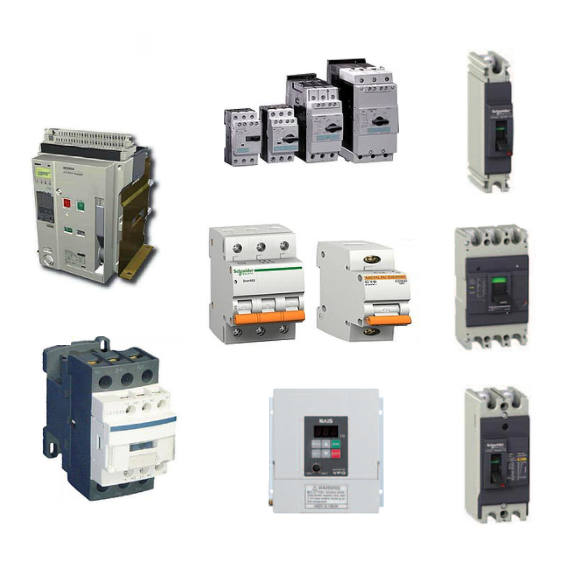
What this calibration category typically covers
This category is focused on electrical and automation-related devices used to measure, convert, display, or control process signals. That includes equipment such as level gauges and relays, signal converters, signal counters and speed meters, panel instruments for current, voltage, power, and frequency, as well as inverter-related devices used in motor control systems.
In practical terms, calibration service is used to verify whether a device responds correctly to known reference inputs and whether its indication or output remains suitable for field use. For companies managing a broader calibration program, this service area often complements electrical and electronic meter calibration and other instrument-specific verification workflows.
Why calibration matters in electrical and automation systems
Many automated systems rely on a chain of devices rather than a single instrument. A sensor may generate a signal, a converter may condition it, a controller may interpret it, and a panel meter or HMI may display the result. If one element drifts, the entire measurement chain can become less reliable. That is why traceability and periodic verification are important in maintenance and quality programs.
Calibration also supports troubleshooting and preventive maintenance. When an inverter, panel meter, or signal-processing device appears to behave unexpectedly, calibration can help separate true process issues from instrumentation error. This is particularly useful in applications where downtime, unstable control, or incorrect display values can lead to production loss or unnecessary replacement of still-usable equipment.
Typical equipment included in this service scope
Several representative products in this category illustrate the range of instruments commonly handled. For level-related applications, examples include HANNA Level gauge, Relays, level measurement Calibration Service and SICK Level gauge, Relays, level measurement Calibration Service. These are relevant in tanks, process vessels, utility systems, and automated level monitoring points where relay switching and level indication must remain dependable.
For signal-processing tasks, KEYSIGHT Signal converter Calibration Service and KEITHLEY Signal converter Calibration Service reflect the need to validate devices that translate one electrical signal form into another. In speed and pulse-related measurement, EXTECH Signal counter and Speed meter Calibration Service is an example of equipment used to confirm counting accuracy and signal interpretation in rotating or repetitive processes.
Power monitoring and drive-related equipment are also an important part of the category. YOKOGAWA Current, voltage, power, frequency meter on Panel Calibration Service and SCHNEIDER Current, voltage, power, frequency meter on Panel Calibration Service align with the needs of panel builders, electrical maintenance teams, and energy monitoring users. For motor control environments, services for SCHNEIDER, PANASONIC, SIEMENS, and ABB inverter devices support users working with variable-speed drive systems and related automation infrastructure.
How to choose the right calibration service for your device
The most effective starting point is to identify the instrument’s actual role in the system. A panel meter, for example, is selected and evaluated differently from a signal converter or an inverter. The required calibration approach depends on the device’s input and output behavior, display function, control function, and the process risk associated with a wrong reading.
It is also helpful to consider where the device sits in the measurement chain. If your issue involves converted analog signals, a dedicated service for signal conversion equipment may be more relevant than a general meter check. Likewise, pulse and rotation-related applications often fit better within signal counter and speed meter calibration, while control rooms and electrical panels may need a more focused panel instrument verification process.
Manufacturer examples commonly seen in this category
This category includes calibration service references associated with established industrial brands such as SIEMENS, SCHNEIDER, ABB, PANASONIC, YOKOGAWA, KEYSIGHT, KEITHLEY, SICK, EXTECH, and HANNA. Mentioning these manufacturers helps users quickly understand the practical scope of supported equipment types in electrical, instrumentation, and automation environments.
Brand identification is useful, but the more important factor is the device function and application context. A SIEMENS inverter and an ABB inverter may serve similar operational purposes, yet calibration planning still depends on the exact measurement behavior being checked. The same logic applies to signal converters from KEYSIGHT or KEITHLEY, where the calibration objective is tied to signal integrity, conversion accuracy, and repeatable performance rather than brand name alone.
Related calibration needs across the instrumentation workflow
Electrical and automation equipment rarely operates in isolation. Teams responsible for process reliability often manage a mix of panel instruments, power sources, electronic test devices, and field measurement tools. Because of that, users browsing this category may also need services related to AC/DC power supply calibration or instrument verification for test benches and maintenance departments.
In R&D, electronics troubleshooting, and industrial service centers, this category can also connect naturally with oscilloscopes and logic analyzers calibration. These adjacent categories are relevant when signal quality, waveform analysis, control output validation, and electronic diagnostics are all part of the same maintenance or quality assurance workflow.
When this service is especially relevant
Calibration is commonly scheduled during preventive maintenance intervals, commissioning reviews, annual quality audits, or after repair and replacement activities. It is also useful when operators notice unexpected process readings, unstable control response, unexplained differences between displayed values and reference instruments, or inconsistencies between similar devices installed in different panels or lines.
Facilities in manufacturing, water treatment, energy systems, building services, and machine automation can all benefit from periodic verification of measurement accuracy and signal behavior. For organizations that document maintenance rigorously, calibration records also support internal quality systems and more confident decisions on whether a device should remain in service, be adjusted, or be replaced.
Supporting more reliable operation through proper calibration planning
A well-structured calibration program helps reduce uncertainty across electrical and automated systems. Instead of treating instruments only when failure becomes visible, planned calibration creates a more consistent basis for monitoring, control, and maintenance. This is particularly important for devices that influence alarms, energy monitoring, motor control, counting functions, or level-based switching.
Whether you are reviewing panel meters, inverters, signal converters, speed meters, or level-related instruments, this category is designed to help narrow down the right service path for the equipment in use. Choosing the correct calibration scope for each device type supports reliable readings, better process confidence, and more informed maintenance planning over time.
Types of Electrical & Automated Equipment Calibration Service (53)
- 1 phase lioa transformer Calibration Service (4)
- Current transformer calibration service (2)
- Data loggers for automation systems Calibration Service (3)
- Inverter Calibration Service (6)
- Level gauge, relays, level measuring sensor Calibration Service (8)
- Panel current, voltage, power, frequency meter Calibration Service (10)
- Power Factor Regulator calibration Service (2)
- SIEMENS equipment Calibration Service (1)
- Signal Converter Calibration Service (9)
- Signal Counter and Speed Meter Calibration Service (8)
-
-
-
-
-
-
-
-
-
-
-
-
-
-
-
-
-
-
-
-
-
-
-
-