


Calibration Tools
Stable measurement starts with confidence in the reference point. In telecom assembly, electronics inspection, and precision production work, even a small deviation can affect connector fit, crimp quality, signal integrity, or long-term reliability. That is why Calibration Tools remain an essential part of any workflow that depends on repeatable dimensional checks and controlled measurement practices.
This category brings together tools used to verify, compare, and maintain measurement accuracy in technical environments. Whether the task involves cable termination, component inspection, or routine quality control, the right calibration-related instrument helps reduce uncertainty and supports more consistent results across operators and batches.
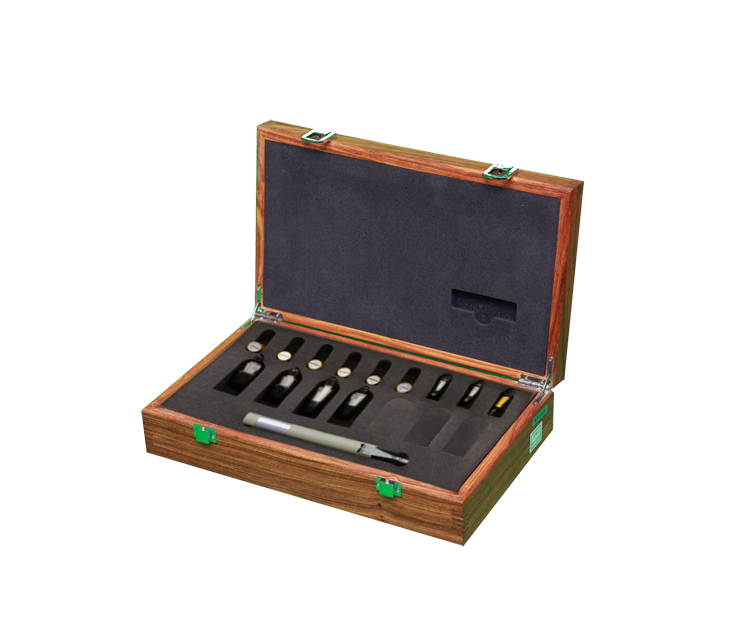
Why calibration tools matter in technical and telecom-related work
Measurement errors are not always obvious at first glance. A connector may appear correctly assembled, a crimp may look acceptable, or a mechanical setting may seem within tolerance, yet small dimensional differences can still create downstream problems. Calibration discipline helps detect these issues before they affect product performance, installation quality, or maintenance outcomes.
In telecom and electronic component handling, calibration tools support inspection routines where precision matters. They are often used alongside supporting hardware such as adapters and RF signal path components, helping technicians confirm that the physical build quality matches the intended design and assembly standard.
Typical roles of calibration tools in a measurement workflow
Calibration tools are commonly used to check dimensions, validate measuring instruments, and maintain consistency in repetitive tasks. In production and service environments, they help operators compare real-world measurements against expected values and identify wear, drift, or setup variation early.
They also support process control rather than only final inspection. For example, when working with assemblies that connect to devices such as telecommunication switches or signal distribution hardware, precise mechanical preparation can be just as important as electrical performance. Good calibration practice helps connect dimensional quality with system reliability.
What to consider when selecting a calibration tool
The first point is the measurement range and resolution required by the application. A tool used for fine adjustment or crimp height verification typically needs much higher resolution than a general-purpose shop instrument. Buyers should also consider whether the work is performed in a controlled lab, on a production floor, or in a maintenance setting where dust, moisture, and handling conditions are more demanding.
Another practical factor is unit flexibility and readability. In B2B environments, operators may work with metric and inch-based documentation at the same time, so dual-unit capability can simplify inspection and reporting. Protection level, ease of handling, and repeatability are equally important when the tool is used frequently throughout the day.
Example product for precision crimp and dimensional verification
A representative product in this category is the MITUTOYO 342-371-30 Crimp Height Micrometer. This model is designed for precise height measurement in applications where crimp quality and dimensional consistency need close control. With a 0-20 mm / 0.8 inch measuring range and 0.001 mm resolution, it fits tasks that require fine reading rather than coarse checking.
Its meter/inch unit support helps teams working across mixed specification standards, while the IP65 protection rating adds value in working environments where resistance to dust and shop-floor exposure is important. For users building or inspecting assemblies around RF and telecom hardware, this kind of instrument can play a practical role in validating mechanical quality before broader system testing begins.
Manufacturer focus: MITUTOYO
For buyers looking for established precision measurement equipment, MITUTOYO is a relevant manufacturer in this category. The brand is widely associated with dimensional measurement tools used in quality control, manufacturing inspection, and technical verification tasks where consistency and repeatability are priorities.
Within a category like this, a manufacturer matters not only because of the product itself, but also because of usability, measurement confidence, and compatibility with the working habits of professional technicians. When choosing a calibration tool, it is often worth considering whether the brand’s measurement approach aligns with your existing inspection routines and documentation standards.
How calibration tools fit into a broader component ecosystem
Calibration is rarely isolated from the rest of the workflow. In telecom-related production, dimensional checks may support assembly steps involving connectors, interfaces, and RF components that affect final performance. Mechanical verification can therefore complement the selection of related products such as power divider solutions or isolation-related components used in signal routing systems.
This broader perspective is useful for engineering, purchasing, and maintenance teams alike. A calibration tool may not sit directly in the signal chain, but it supports the quality of the components and assemblies that do. That makes it a practical investment for organizations aiming to improve repeatability, reduce rework, and maintain more reliable technical outcomes.
Who typically buys from this category
This category is relevant for production engineers, QA teams, maintenance technicians, cable assembly specialists, and procurement staff sourcing precision tools for industrial use. In many B2B settings, the decision is less about buying a generic measuring device and more about selecting a tool that matches a specific inspection point within a documented process.
For that reason, buyers often compare not just price and availability, but also application fit, durability, unit handling, and whether the instrument supports the level of control required by the task. A calibration-related tool that suits the actual workflow can improve inspection speed and help teams standardize results across different users and shifts.
Choosing with long-term use in mind
When evaluating calibration tools, it helps to think beyond the initial purchase. Consider how often the tool will be used, what level of precision the process really requires, and whether the instrument will be used at a bench, in production, or in field-related technical support. These factors affect the best balance between resolution, robustness, and day-to-day convenience.
A well-chosen tool supports more than a single measurement. It becomes part of a repeatable quality process that helps teams work with fewer assumptions and better control. If your application involves precise mechanical verification in electronics or telecom-related assembly, this category is a practical place to start narrowing down the right instrument for the job.
-
-
-
-
-
-
-
-
-
-
-
-
-
-
-
-
-
-
-
-
-
-
-
-